India-Sri Lanka Recalibrate Strategic Ties: Modi’s Landmark Visit Heralds Renewed Regional Synergy
Автор: BJ English
Загружено: 2025-04-07
Просмотров: 17
Under Section 107 of the Copyright Act 1976, allowance is made for "fair use" for purposes such as criticism, comment, news reporting, teaching, scholarship, and research. Fair use is a use permitted by copyright statutes that might otherwise be infringing. Non-profit, educational, or personal use tips the balance in favor of fair use.
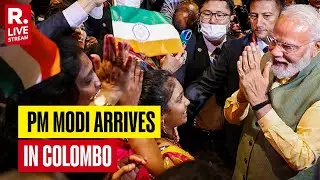
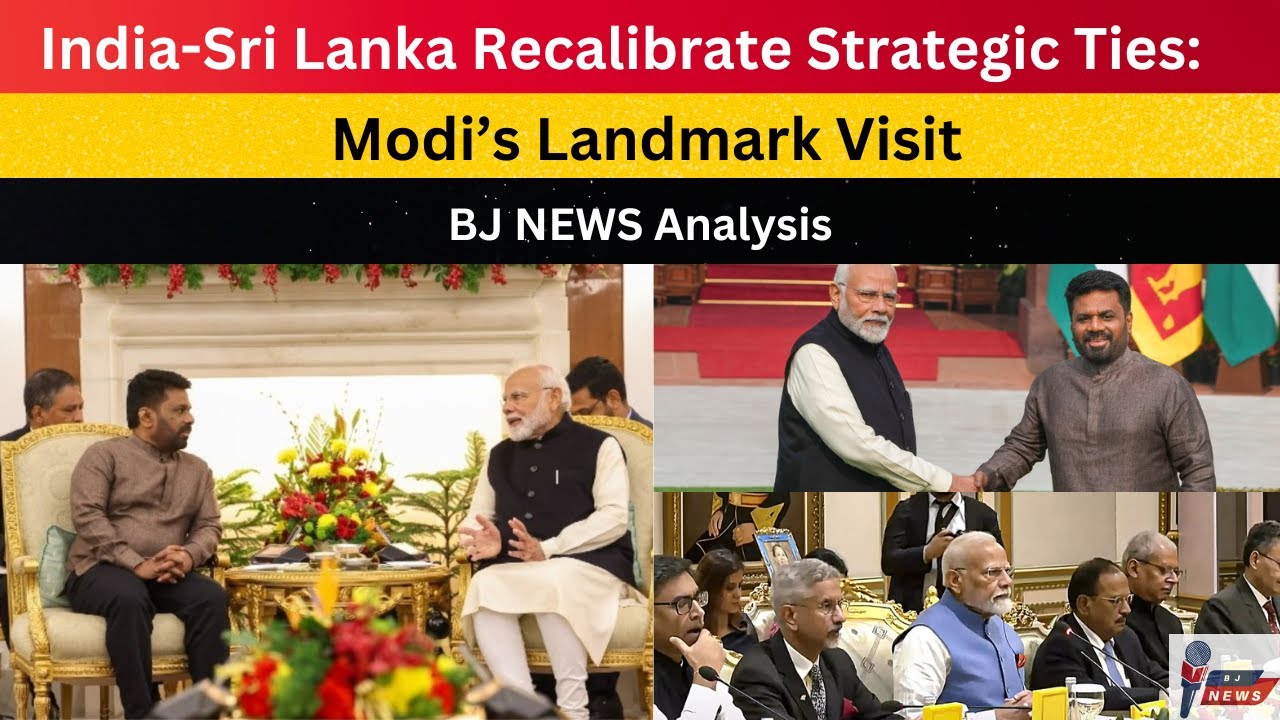
During his three-day diplomatic sojourn to Sri Lanka, Prime Minister Narendra Modi oversaw the signing of seven pivotal agreements, reinforcing India's regional engagement strategy and offering Colombo a lifeline for economic recovery.
An Epoch of Renewed Cooperation Unfolds in the Indian Ocean
Between April 4 and 6, 2025, Indian Prime Minister Narendra Modi embarked on a consequential diplomatic mission to Sri Lanka, marking a new chapter in the bilateral relationship between New Delhi and Colombo. In a ceremonious display of regional solidarity, both nations inked seven transformative agreements encompassing defence, energy infrastructure, and economic stability.
The visit — the second leg of Modi’s twin-nation tour that began with Thailand, where he attended the BIMSTEC Summit — was not merely ceremonial. It bore the marks of India’s evolving regional calculus, particularly in the Indian Ocean region. The timing is particularly significant: Sri Lanka is still navigating the choppy waters of its post-2022 economic collapse, and India has once again positioned itself as a stabilizing force.
Energy Diplomacy and the Rise of Trincomalee
Energy connectivity formed another cornerstone of Modi’s visit. A bilateral agreement to integrate electricity grids for cross-border trade in energy was signed, signaling the inception of a regional energy corridor.
More striking was the trilateral pact among India, the UAE, and Sri Lanka to transform Trincomalee — a port city in eastern Sri Lanka — into a regional energy hub. The UAE’s inclusion in this initiative underscores its growing role in India’s extended Indian Ocean outreach, further cementing the Gulf-India-South Asia energy nexus.
Geopolitical Undercurrents: China’s Shadow and Maritime Sensitivities
While economic and developmental cooperation took center stage, the subtext of regional rivalry was unmistakable. Over the past decade, Sri Lanka had drifted into China’s orbit through large-scale infrastructure investments, including the controversial lease of the Hambantota Port and berthing permissions for Chinese research vessels — moves that raised strategic red flags in New Delhi.
Although Colombo placed a one-year moratorium on Chinese research ship arrivals in December 2023, it remains unclear whether this has been extended. Modi, nonetheless, thanked President Anura Kumara Dissanayake for acknowledging India’s security sensitivities — a diplomatic nod that hints at a subtle recalibration in Colombo’s external alignments.
Conclusion: A New Dawn for Indo-Lanka Diplomacy
Prime Minister Modi’s visit to Sri Lanka was more than a diplomatic courtesy; it was a strategic recalibration. As New Delhi strengthens its foothold in the Indian Ocean amid intensifying global competition, Colombo is emerging once again as a critical node in India’s regional vision — dubbed the MAHASAGAR initiative.
Through defence cooperation, energy integration, and debt diplomacy, India is seeking not just to stabilize a neighbor in need but also to shape a more secure, interconnected, and mutually beneficial regional order. Whether this visit marks the beginning of sustained synergy or remains a symbolic gesture will depend on the consistent execution of these ambitious agreements in the months to come.
Доступные форматы для скачивания:
Скачать видео mp4
-
Информация по загрузке: