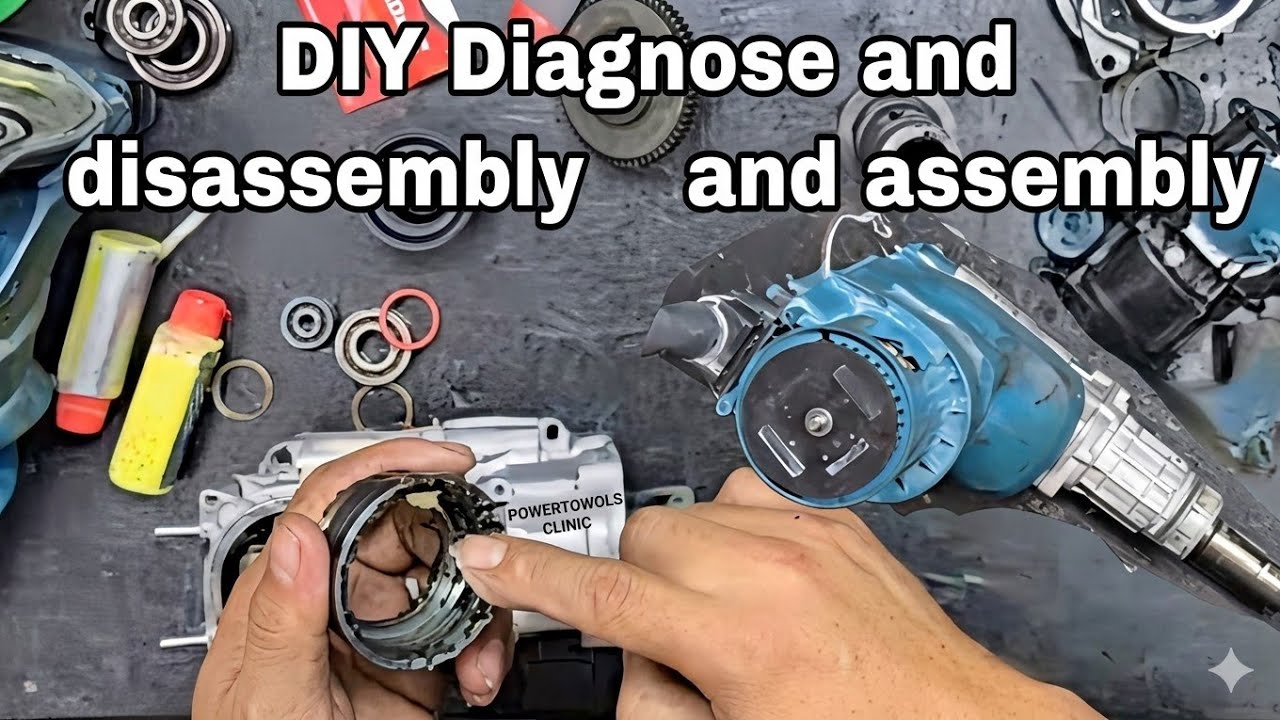
Makita Rotary Hammer Drill HR4013C DIY DX Disassemble Assemble regreasing replace consumable items
Автор: Power Tools Clinic
Загружено: 2026-01-08
Просмотров: 169
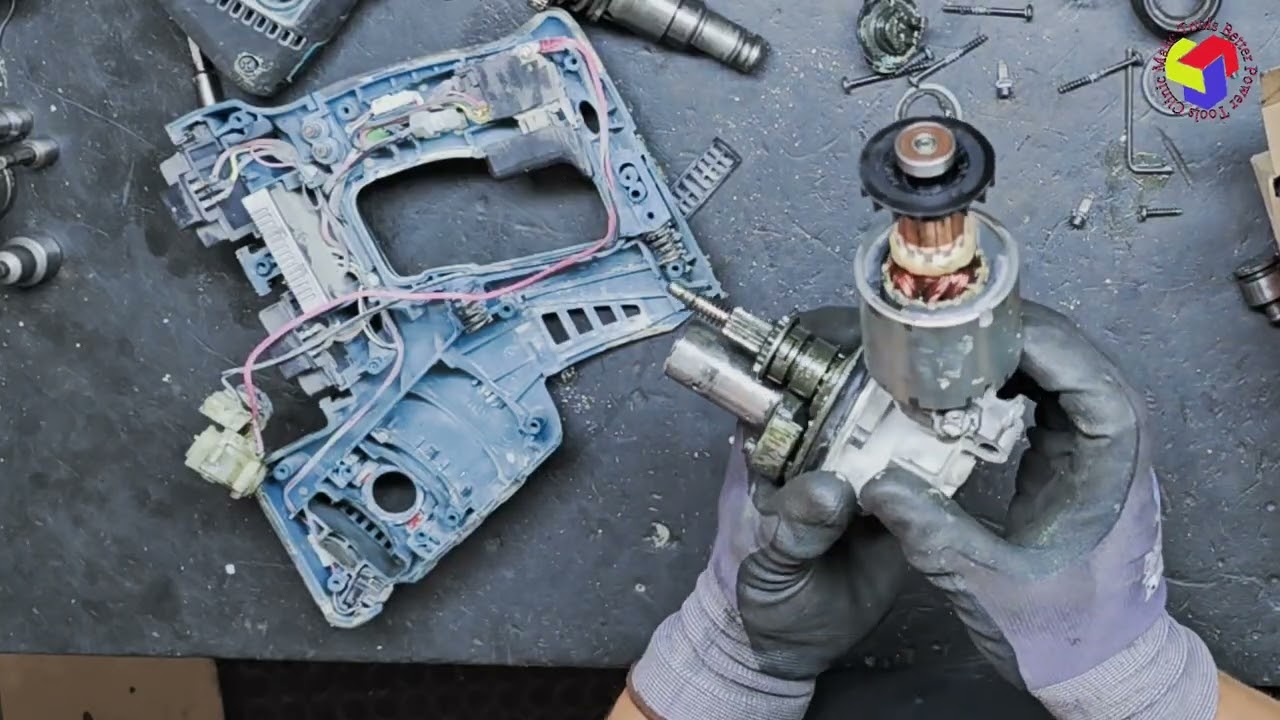
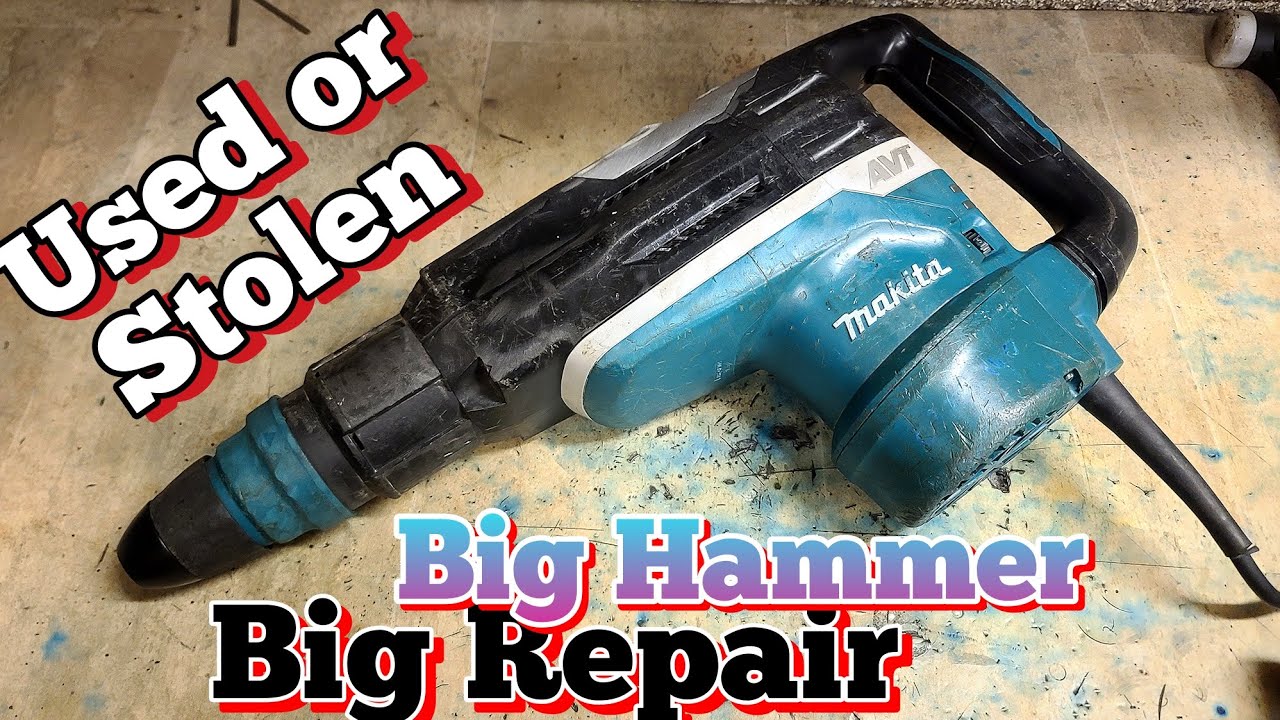
Servicing a Makita HR4013C is a high-value DIY project that can save you significant repair costs. Because this model features the AVT (Anti-Vibration Technology), it is slightly more complex than standard rotary hammers, but manageable with patience.
Essential Tools & Supplies
Grease: Makita Genuine Hammer Grease (30g is required for a full refill).
Replacement Parts: Carbon Brushes (CB-350), O-rings (especially items 22, 24, 31, 44, and 47 on the diagram), and the Fluoride Ring (item 23/25).
Tools: T20/T25 Torx drivers, flathead screwdriver, snap ring pliers, and a socket wrench.
Step-by-Step Maintenance Guide
1. Disassembly (Mechanical Section)
Chuck Removal: Pry off the Tool Holder Cap with a flathead screwdriver. Remove the Ring Spring 25 to slide off the Chuck Cover, Rubber Ring, and Chuck Ring.
Housing: Remove the four M6x30 Hex Socket Head Bolts securing the barrel section to the crank housing.
Impact Bolt & Striker: Lift the barrel section off. You can push the Impact Bolt out using a long bar from the chuck side. The Striker is inside the cylinder; it can usually be removed by tapping the cylinder or using a magnet.
2. Replacing Consumable Items
Carbon Brushes (CB-350): Unscrew the rear handle cover. Pull the brush holder away from the housing, unclip the old brushes, and slide in the new ones.
O-Rings: Check the O-Ring 20 and the Fluoride Ring 25. If the orange O-ring is visible through the fluoride ring, it is worn and must be replaced to maintain compression.
Piston & Connecting Rod: Inspect the piston O-ring (Item 47). A worn seal here is the most common reason for "no hammering" issues.
3. Cleaning & Regreasing
Clean: Thoroughly wipe out all old, blackened grease from the crank housing and cylinder using a lint-free cloth. Do not use harsh solvents that might damage the resin components.
Grease Amount: Apply exactly 30g of genuine Makita grease into the crank housing.
Note: Overfilling with grease is a common mistake. Too much grease creates hydraulic resistance, which actually reduces hammering power and can damage the motor.
4. Reassembly
Striker & Piston: Insert the Striker back into the cylinder (ensure it moves freely).
Alignment: Reattach the barrel section to the crank housing, ensuring the connecting rod aligns correctly with the crank.
Sealing: Ensure the Housing Cap and Crank Cap are seated properly to prevent grease leaks. Do not overtighten the resin Crank Cap, as it can crack.
Доступные форматы для скачивания:
Скачать видео mp4
-
Информация по загрузке: