The Role of Crematoriums in Metal Recycling and Conservation
Автор: National Museum of Funeral History
Загружено: 2026-01-19
Просмотров: 4
What makes recycling metals from cremations crucial for both the environment and society?
Mike McKenna, director of Recycling and Development with Core Scientific, discusses the importance of a circular economy for repurposing metals from cremations. This process not only conserves precious resources but also supports charities with the recycled materials' value. Through such innovative practices, funeral professionals are now contributing significantly to sustainability and environmental conservation.
Plan your visit to the museum today at nmfh.org (https://nmfh.org) and take a journey through over 30,000 square feet of fascinating history.
Subscribe to The Final Curtain Never Closes on Apple Podcasts (https://podcasts.apple.com/us/podcast...) , Spotify (https://open.spotify.com/show/4x8VZuV...) , or wherever you get your podcasts (https://www.nmfh.org/haunting-stories...) .
Key Takeaways
1. Recycling plays a crucial role in conserving resources by keeping materials in a circular economy. This means metals from implants and other sources are reused, reducing the need for new raw material extraction. This process conserves air, land, and water resources.
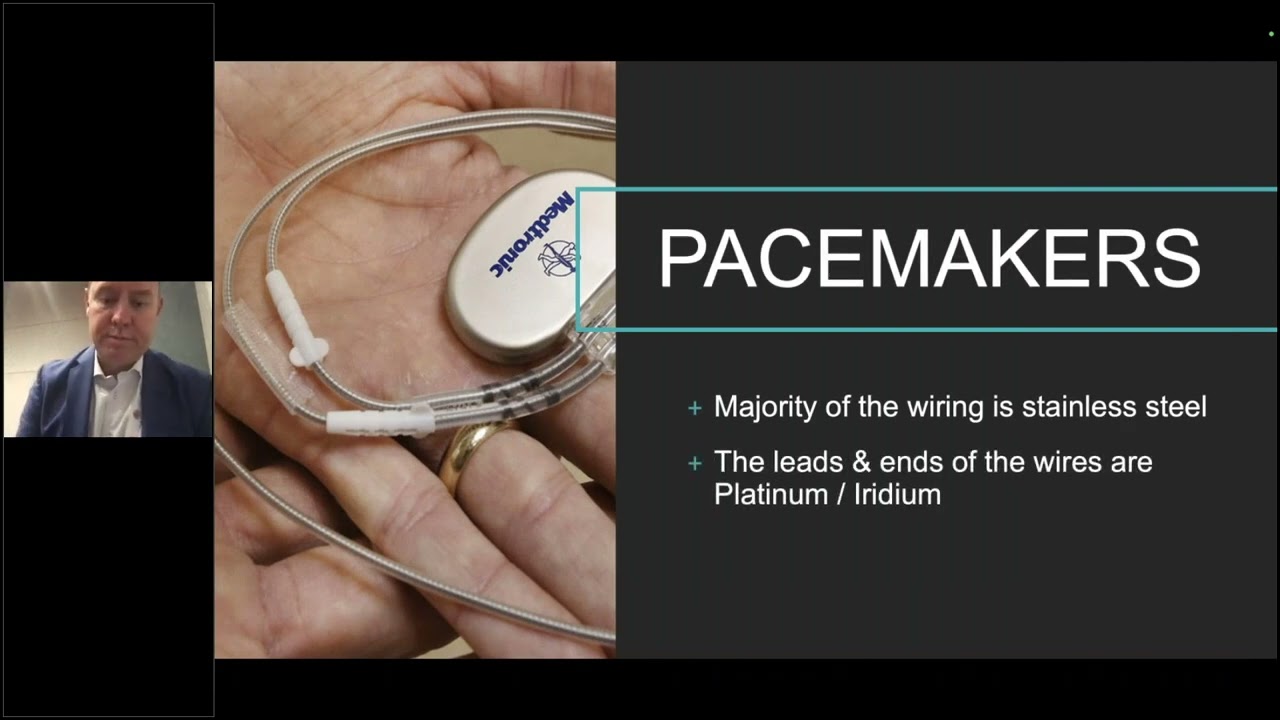
2. The process of cremation includes the retrieval and recycling of metal implants such as hips, knees, and dental implants. These metals are then repurposed into various everyday products, emphasizing the importance of recycling even in death.
3. Core Scientific works with crematoriums to implement structured recycling programs, training operators, and handling logistics to ensure metals are collected and reused responsibly. This professionalization signals a shift towards more ethical practices in the funeral industry.
3. Medical implants have a rich history dating back thousands of years, evolving from materials like wood, ivory, and seashells to modern-day titanium and cobalt. This evolution highlights humanity’s long-standing efforts to improve the quality of life through medical advancements.
4. Recycling metals from cremation not only conserves natural resources but also aligns with ethical responsibilities. The value from recycled metals is often donated to charities, further extending the positive impact on society and perpetuating a cycle of giving.
Timestamped Overview
00:00 Core Scientific's Origins and Development
05:57 Cremation: Separating Implant Metals
09:54 Crematorium Metal Removal Processors
12:20 Cremation Remains: Protocol and Personal Requests
16:26 Implant Recycling & Circular Economy
20:34 Exploring Funeral History & Prosthetics
22:53 Early History of Surgical Implants
24:59 Cremation Rise and Implant Growth
28:06 Localized Adoption in Select States
32:12 Cremation's Metal Dilemma
37:09 Ethical Funeral Metals Recycling
40:04 Crematorium Operators' Dedication Highlighted
See omnystudio.com/listener (https://omnystudio.com/listener) for privacy information.
Доступные форматы для скачивания:
Скачать видео mp4
-
Информация по загрузке: