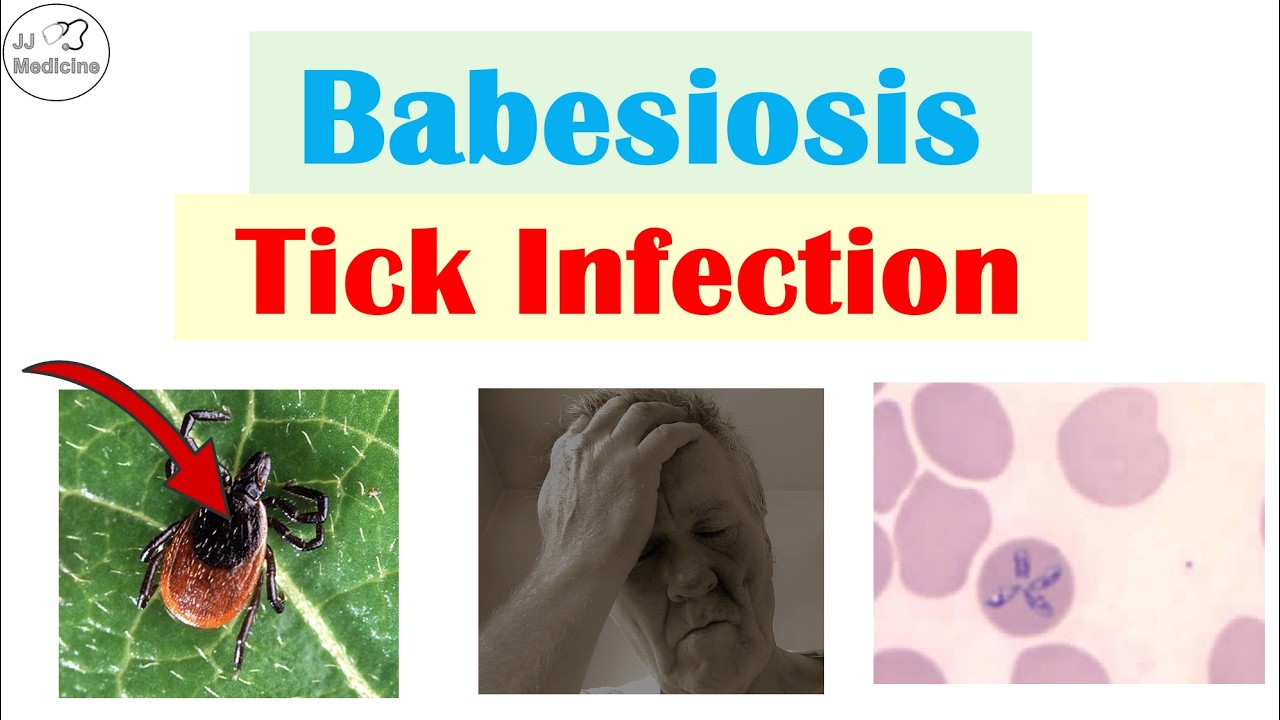
Babesia - The most common Chronic Lyme co-infection
Автор: Trailhead Health
Загружено: 2025-04-15
Просмотров: 2065
Babesia is the most common co-infection in neurological Lyme disease and how proper treatment can lead to recovery. If you're struggling with persistent neurological symptoms despite Lyme treatment, this information could be crucial to your healing journey.
What is Babesia?
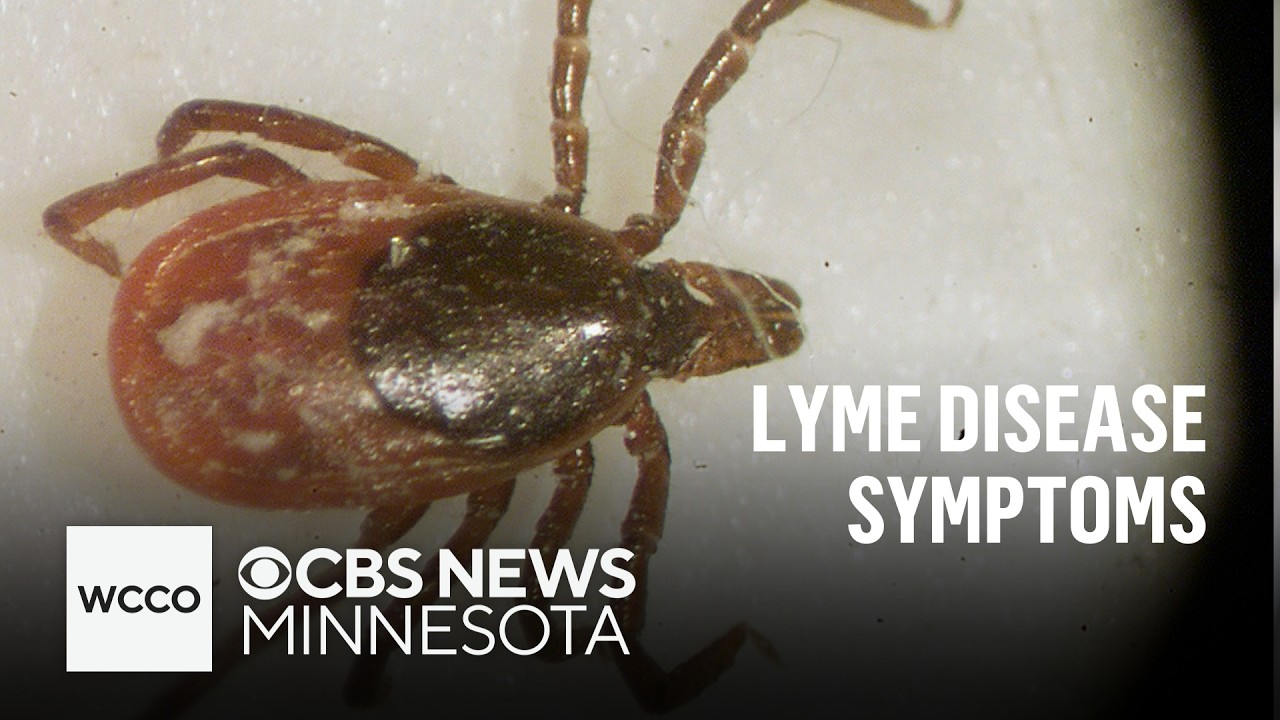
Babesia is a parasitic infection transmitted by the same ticks that carry Lyme disease. Unlike Lyme (which is bacterial), Babesia is a protozoan parasite that infects red blood cells. This critical distinction explains why standard antibiotic protocols used for Lyme disease are ineffective against Babesia.
Despite being found in ticks almost as frequently as Lyme (approximately 41% of ticks in the Northeast), Babesia remains severely underdiagnosed. This disconnect means many physicians are unaware of Babesia's significance and don't conduct thorough testing.
Common Symptoms and How Babesia Intensifies Lyme
Most well-known symptoms of Babesia include:
• Air hunger (difficulty getting sufficient breath)
• Night sweats
• Migraine-like headaches
However, Dr. Warren cautions against diagnosing based solely on symptoms, as air hunger can also be caused by other tick-borne infections like Bartonella and Anaplasma. Similarly, headaches can have multiple sources - Lyme typically causes general pressure headaches, Bartonella produces "ice pick" headaches, and Babesia often leads to migraine-like headaches.
Beyond its own symptoms, Babesia significantly intensifies Lyme disease symptoms, particularly neurological manifestations. Research shows that Babesia makes Lyme more invasive to the nervous system, worsening fatigue, pain, cognitive difficulties, word-finding problems, anxiety, depression, and neuropathies.
How Babesia Affects the Immune System Differently Than Lyme
Babesia and Lyme disease employ distinct strategies to compromise the immune system. While Lyme primarily targets natural killer cell activity, Babesia focuses on a completely different aspect of immunity - it inhibits the humoral immune system and is particularly damaging to the spleen and B-cells.
This creates multiple layers of immune dysfunction when both infections are present, making it difficult for the body to effectively fight either infection. This differential impact on immunity has direct treatment implications and explains why comprehensive treatment must include immune support targeted to the specific areas affected by each infection.
Babesia's Defensive Strategy: The Blood Nest
Babesia forms protective biofilms that Dr. Warren refers to as "blood nests" to distinguish them from Lyme's biofilms. Similar to how dental plaque protects bacteria in the mouth, these structures shield the parasites from both the immune system and treatment interventions.
While both Lyme and Babesia create biofilms, they differ significantly in structure and location within the body, requiring different treatment approaches. Without addressing these protective barriers, even well-designed treatments may fail to reach the parasites.
Top 4 Mistakes in Babesia Treatment
1. **Inadequate Testing**: Many physicians run either no tests or just a single test for Babesia. Dr. Warren's clinic runs approximately ten different Babesia tests to ensure comprehensive detection.
2. **Neglecting Anti-Parasitic Treatments**: Since Babesia is a parasite, not a bacteria, treatment protocols must include anti-parasitic agents. Many conventional protocols fail to address this fundamental difference.
3. **Failing to Address Biofilms**: Treatment must include strategies to penetrate Babesia's protective "blood nests." Without addressing these defensive structures, treatments often fail to reach the parasites.
4. **Insufficient Immune Support**: Many protocols lack adequate support for the spleen and humoral immune system, which Babesia particularly targets. Without this support, the body's natural defenses remain compromised.
When Babesia is present alongside Lyme disease, treatment protocols require specific adjustments:
1. **Targeted Immune System Support**: For Lyme, herbs like Cat's Claw help enhance natural killer cell activity. For Babesia, Dr. Warren emphasizes the importance of lymphatic support, recommending herbs like Red Root and Red Sage to support spleen and B-cell function.
2. **Breaking Through Defensive Barriers**: Effective treatment must include strategies to penetrate Babesia's protective blood nests.
3. **Anti-Parasitic Treatments**: Unlike Lyme disease, which responds to antibiotics, Babesia requires anti-parasitic treatments. Many herbal remedies have dual action against both infections.
4. **Gentle Approach for Neurological Cases**: For patients with significant neurological involvement, Dr. Warren has found that gentle herbal and nutritional approaches often yield better results with fewer side effects than aggressive antibiotic protocols.
Request your free consultation today. Visit lymedr.com to learn more.

Доступные форматы для скачивания:
Скачать видео mp4
-
Информация по загрузке: