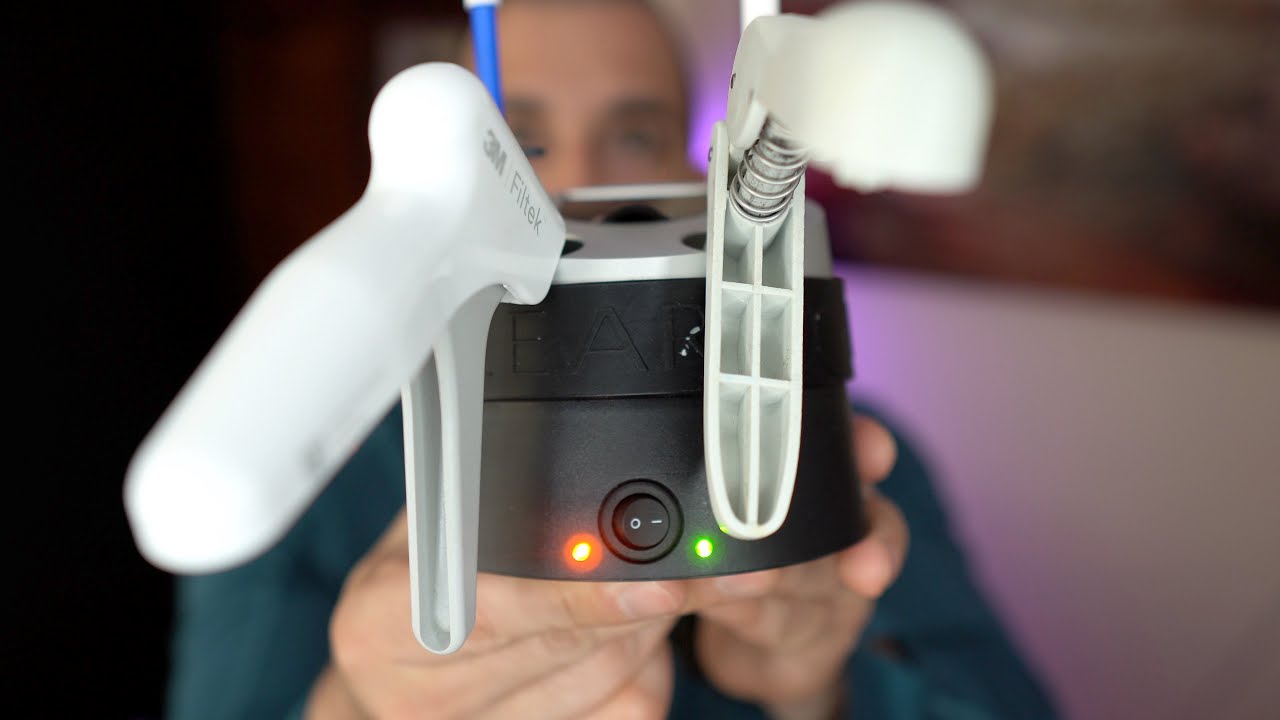
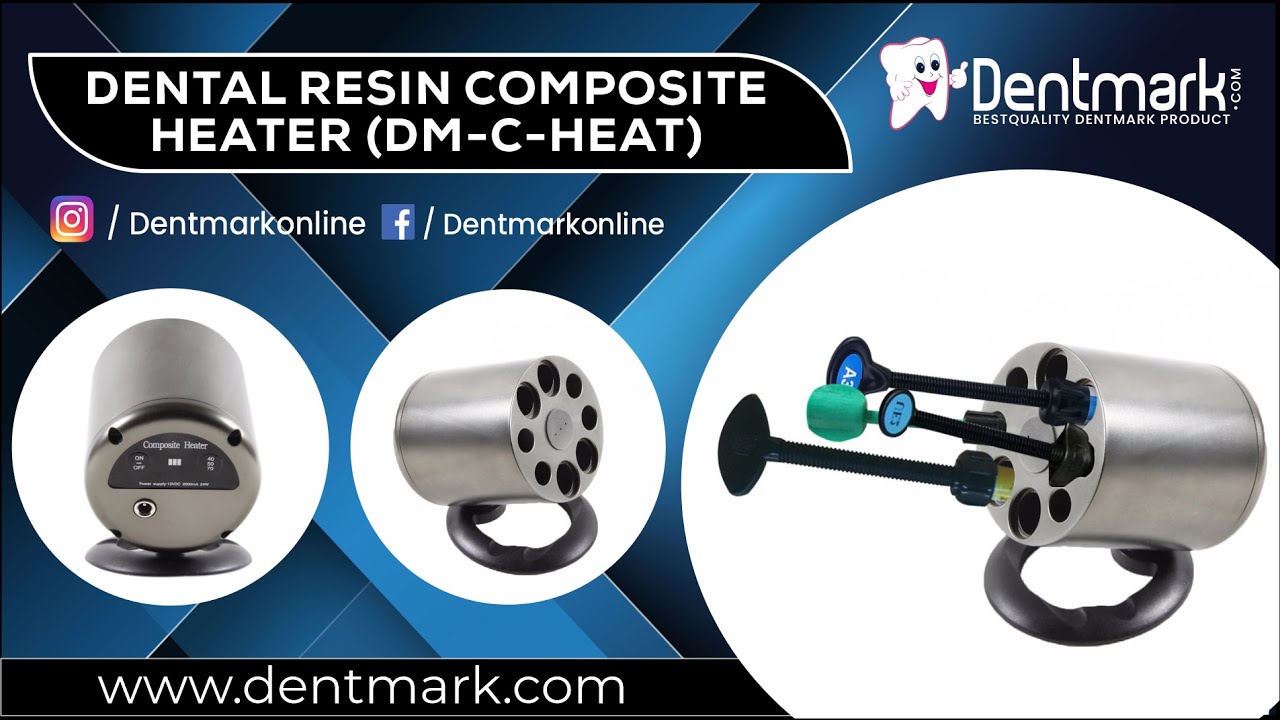
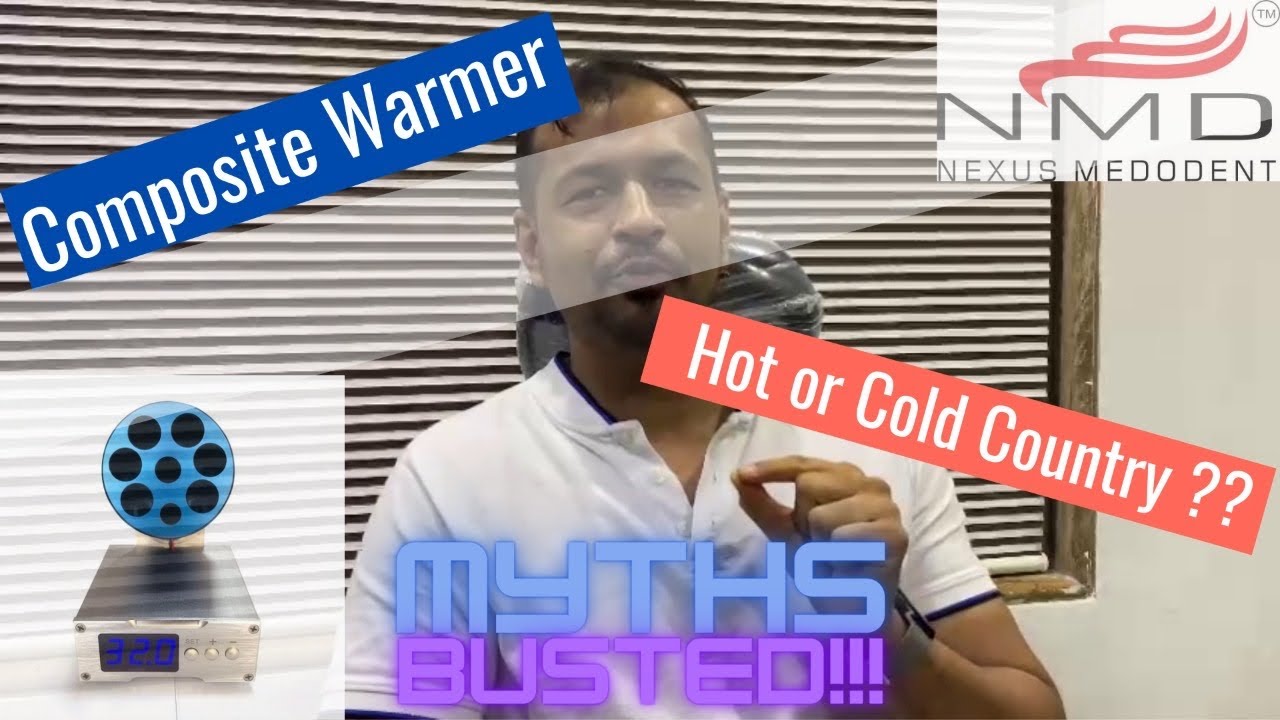
Dental Composite Resin Warmer /Heater by NMD Nexus Medodent Heating Bulk Fill Restorative
Автор: nexusmedodent
Загружено: 2021-08-30
Просмотров: 2584
At a microscopic level, the particles of composite experience an increase in kinetic energy and move faster than their room-temperature counterparts. This increased movement of monomers and free radicals in heated composite increases the degree of conversion when curing and may also even increase the depth of cure
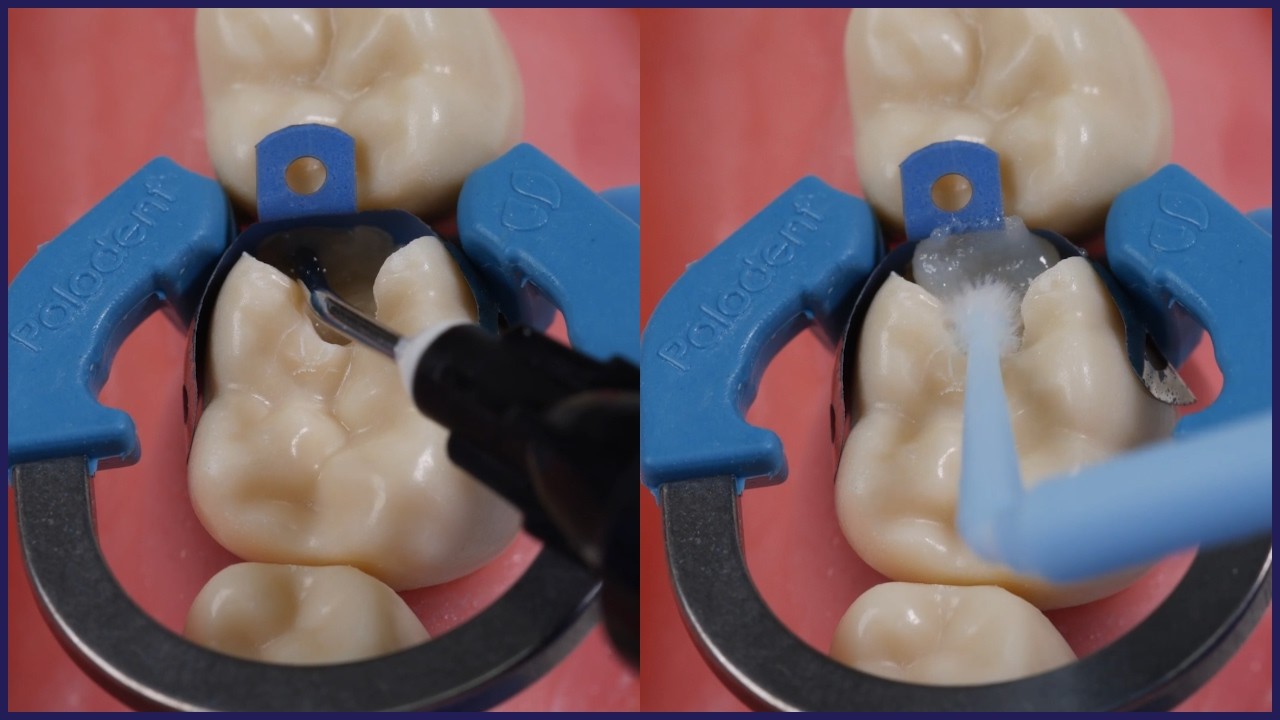
Heating composite reduces its viscosity and improves flow, which in turn lowers the force necessary to extrude from the compule. This not only decreases hand fatigue, but also allows for faster, easier, more precise control when placing the material into areas with limited access
MYTH #1: Warming will damage my composite and compromise the stability and opacity of the restoration.
FALSE.
When heated to the correct temperature, warming-approved composites will maintain the equivalent esthetic, physical and mechanical properties as room temperature composite. Studies have shown that pre-warming composites to 60-70°C for a limited time will not only have no effect on mechanical properties such as fracture toughness, flexural strength or diametral tensile strength, but also won’t impact depth of cure.1-3
One other mechanical property can’t be overlooked, as it can greatly impact the success of your restoration: polymerization shrinkage and shrinkage stress. It may seem intuitive that warming your composite could increase stress, due to a potential for a higher degree of cross-linking. 4, 5 But far from being negatively affected, pre-heated composite actually generates the same or lower shrinkage forces than room-temperature composite.1, 2, 6
With the increasing demand for natural-looking restorative dentistry, one also needs to know how warming could affect the esthetic properties of the composite. Thankfully, studies show that pre-heated composites also maintain the same color, opacity and polish retention properties as room temperature composite.1, 2 But if warming doesn’t alter the properties of the composite, why should you care? Because this means that dental professionals can take advantage of the other clinical advantages of warmed composite – such as improved adaptation due to a lower viscosity – without worry.
MYTH #2: Warming will make the composite polymerize too soon and jeopardize the success of the restoration.
FALSE.
Studies have shown that pre-heating composite will not compromise polymerization in the cavity, as long as it’s heated correctly
MYTH #3: Warmed composite will damage my patients’ teeth and gums or will cause sensitivity.
FALSE.
Patient safety is a concern for any dental procedure and heated composite is no exception. However, multiple studies have shown that as long as the composite is warmed to the appropriate temperature, there will be minimal heat transfer to the tooth and pulp.
How much heat is transferred to the pulp during composite placement depends on a number of variables including remaining dentin thickness, thermal properties of the tooth and composite, speed and duration of heating, and cavity prep.
Composites are generally heated to a temperature between 50 and 70°C (a range that healthy teeth and gums withstand daily from hot foods and liquids) but begin to cool the moment they come off heater and continue to cool throughout placement.5, 10 In fact, when using heated composites, the remaining tooth structure acts as a heat sink, quickly lowering the composite temperature, while room temperature composites may actually warm up during placement.11 Studies have shown that using composite heated to 60°C results in a less than 1.0°C rise in pulpal temperature – lower than temperature increases from light curing, and far below the threshold for critical pulpal temperature increase.
MYTH #4: Toxic chemicals will leak out of the warmed capsule.
FALSE.
You may have heard concerns that warming composites could cause hazardous substances to leach into the mouth and cause irritation or sensitivity, or diffuse into the room and create a toxic environment. And any change in procedure – such as composite warming – capable of affecting material properties should always be thoroughly evaluated for potential impact on the health of patients or staff. That’s why it’s so important to follow manufacturer specifications, and to read up on your composite.
MYTH #5: Warmed composite is sticky and more difficult to work with.
FALSE.
Heating composite reduces its viscosity and improves flow, which in turn lowers the force necessary to extrude from the compule. This not only decreases hand fatigue, but also allows for faster, easier, more precise control when placing the material into areas with limited access. And because the composite is more flowable, it’s able to fill all the nooks and crannies of the cavity,
Buy Online @ www.mydentalstock.com or email us @ nexusmedodent@gmail.com , contact us @ +91 9769193360
Доступные форматы для скачивания:
Скачать видео mp4
-
Информация по загрузке: