Revolutionizing Power Generation
Автор: PowerTech Academy
Загружено: 2023-06-05
Просмотров: 307
Welcome to our fascinating exploration of the isochronous governor—a crucial component in power generation and control systems that ensures stability and reliability. Join us as we delve into the intricacies of this remarkable device, its performance, and its wide range of applications.
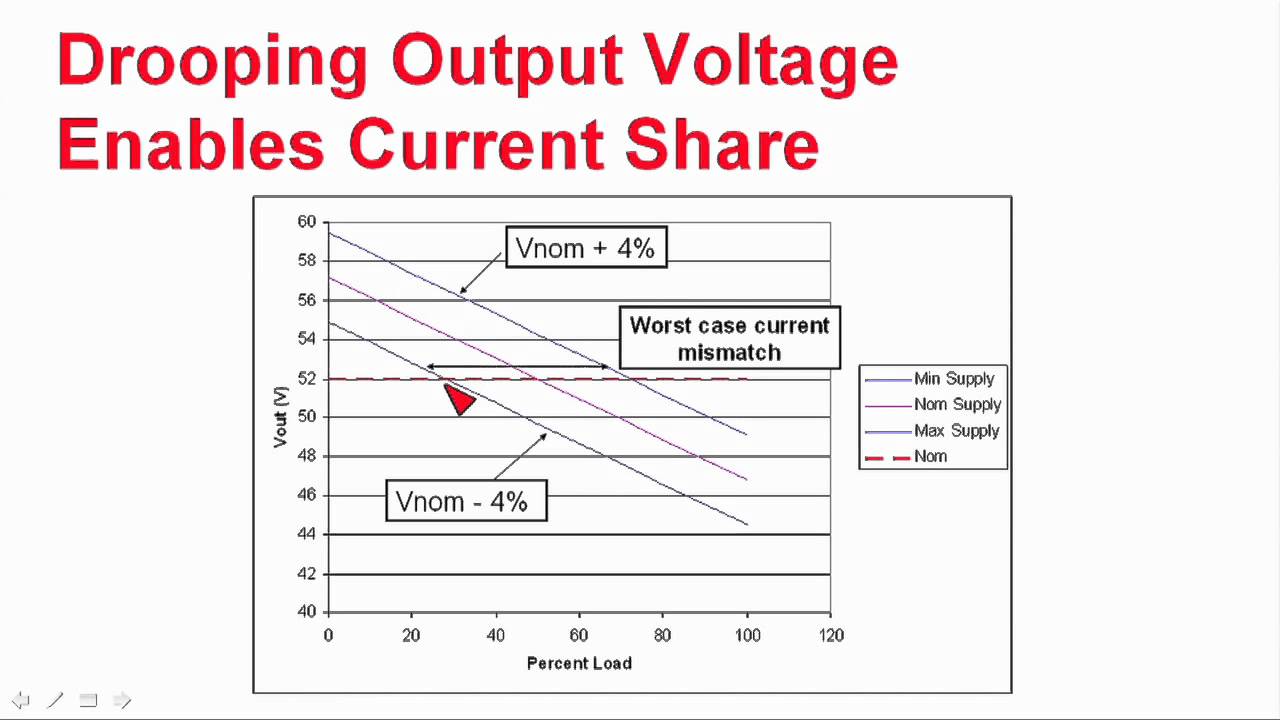
The isochronous governor is a control mechanism used in power generation systems to maintain a consistent speed and frequency of the alternator. It operates based on a family of horizontal lines, with each line representing a specific speed setting. For example, line A represents a speed setting of 100%.
Imagine a power system equipped with two 100 MW generators—one utilizing a 5% droop control and the other employing an isochronous control scheme. At no load, both generators supply 25 MW to the system, maintaining a steady frequency.
As the load increases to 75 MW, the droop generator remains unchanged at 25 MW, while the isochronous generator steps up and provides an additional 25 MW to maintain the system frequency at 60 Hz.
Continuing to push the load to 125 MW, the droop generator maintains its 25 MW output, while the isochronous generator impressively contributes an extra 100 MW, ensuring frequency stability.
Even when reducing the load back to 25 MW, the droop generator remains consistent, but the isochronous generator doesn't provide additional power. Yet, the system frequency remains unchanged due to the isochronous governor's continuous adjustments.

Доступные форматы для скачивания:
Скачать видео mp4
-
Информация по загрузке: