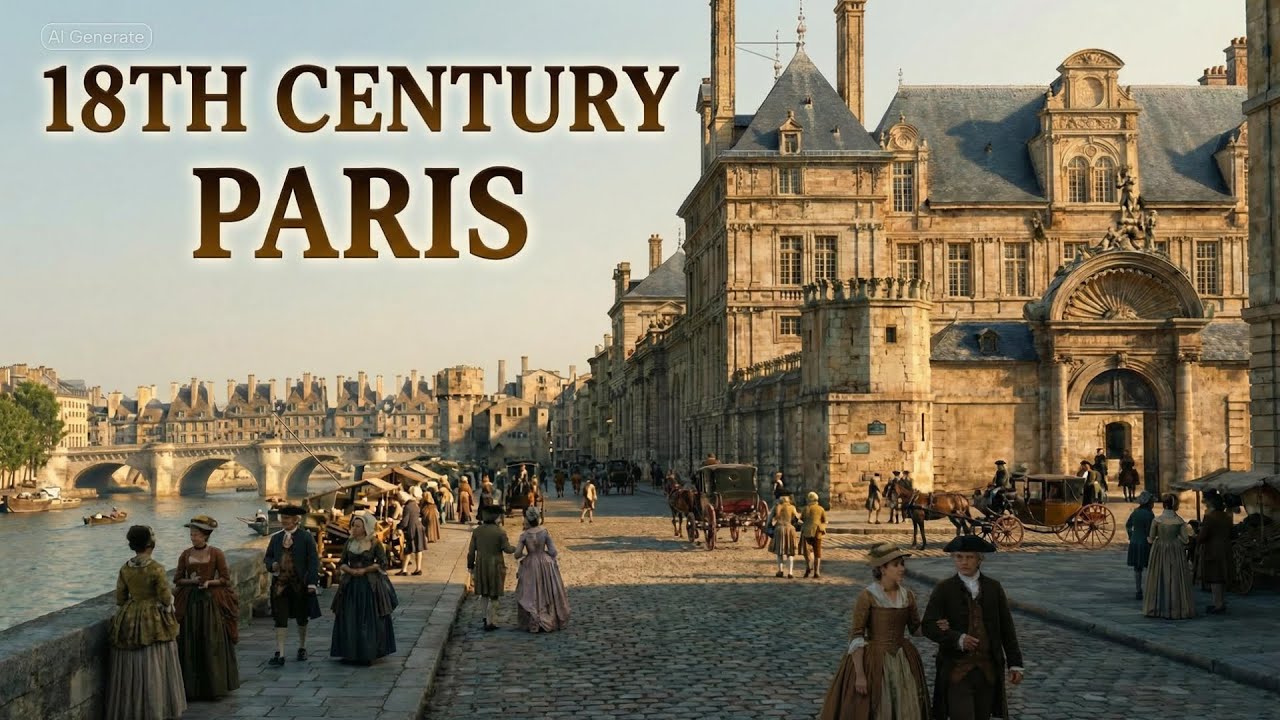
A Tour of Florence in the 1700s (AI Reconstruction)
Автор: RAY - Happy Studios
Загружено: 2026-01-12
Просмотров: 145
Not because it was destroyed—but because the world moved on and forgot to look properly.
A Tour of Florence in the 1700s (AI Reconstruction)
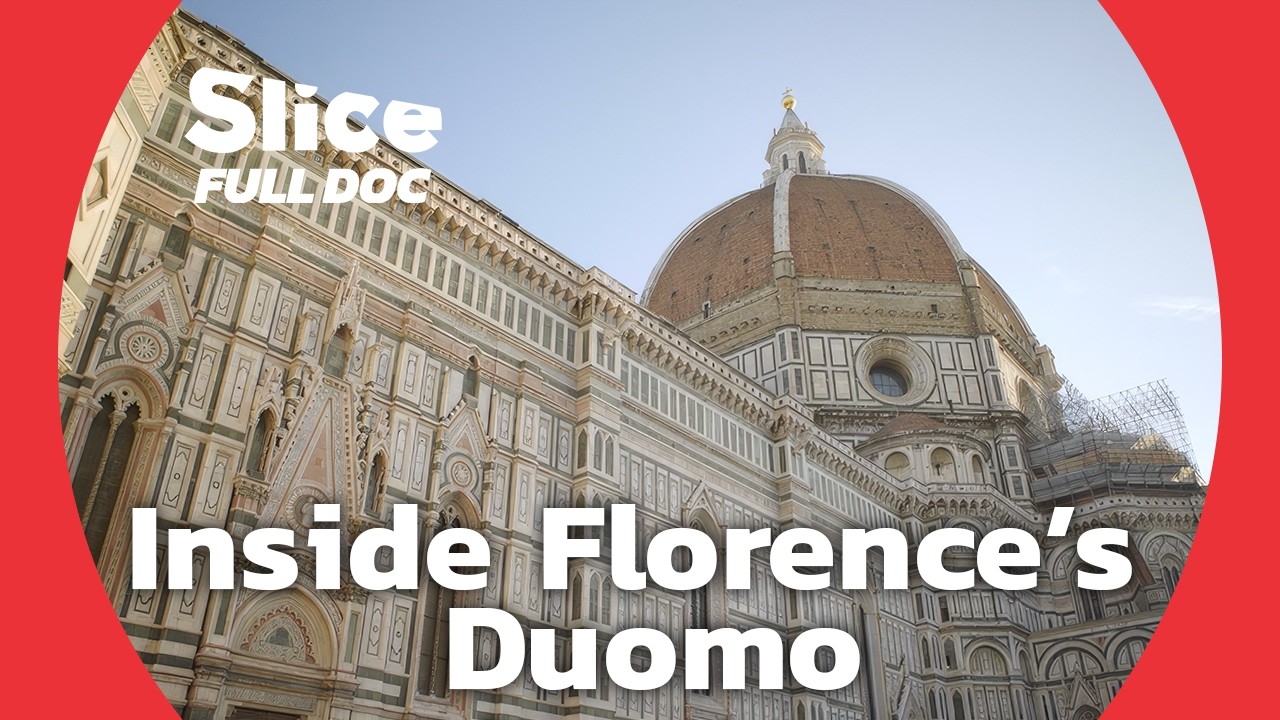
By the year 1700, Florence no longer needed new masterpieces. It already lived inside them. The dome of Florence Cathedral, designed by Filippo Brunelleschi, still crowned the city—not as nostalgia, but as proof that reason and beauty once reached perfect balance. Michelangelo’s David still stood in calm control, refusing spectacle in an age growing addicted to emotion.
Inside the Uffizi Gallery, Botticelli, Leonardo, and Raphael were no longer artists to admire. They were authorities. While other cities collected art to impress, Florence preserved art to educate civilization itself. Taste here was not debated. It was inherited.
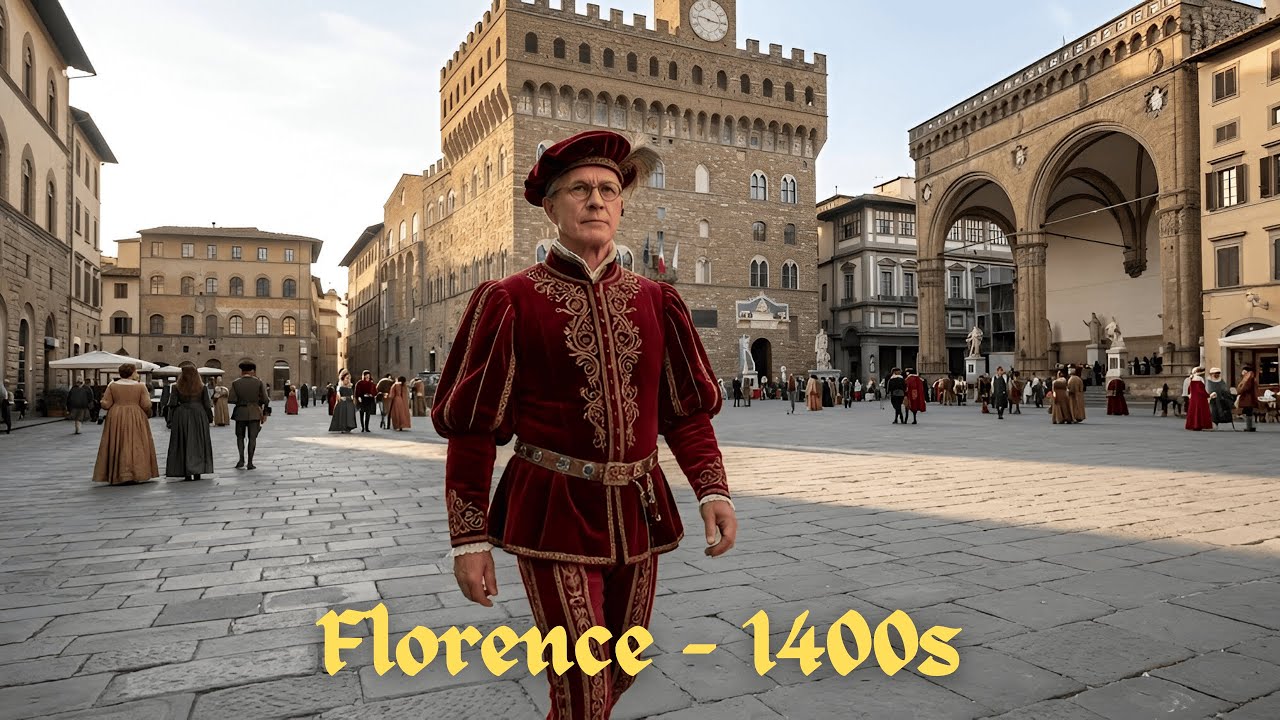
Compare this to Versailles, where excess became identity, or to Rome, where grandeur demanded attention. Florence rejected both. Its palaces spoke in stone proportion and restraint. Streets obeyed human scale. Architecture disciplined the eye instead of seducing it.
By 1700, Florence had become something rarer than a great city. It became a standard.
Across Europe, architects quietly borrowed its proportions. From London to Vienna, from imperial capitals to colonial grids, the ghost of Florence shaped cities that claimed to surpass it. Even empires that believed they were modern carried Florentine logic beneath their façades. Florence did not announce its influence. Imitation did that for it.
At the heart of this discipline stood David—no longer a biblical hero, but a silent judge of civilization. Calm. Rational. Restrained. In a Baroque world that twisted and screamed for attention, David remained still. His power lay in control, not display.
The same philosophy lived in Palazzo Medici and Palazzo Pitti. No gold. No mirrors. Only weight, hierarchy, and inevitability. Power here did not perform. It endured. This was the architectural language modern governments and banks would copy for centuries—often without understanding why it worked.
By the mid-1700s, Florence was called a city in decline. Its banks no longer ruled Europe. Its politics no longer shaped continents. But this misunderstood the nature of influence. Florence had not lost power. It had converted it into memory.
While other cities chased novelty, Florence stayed still—and remained relevant anyway. Its Renaissance was no longer argued for. It was common sense. Beauty served reason. Art respected the human mind. Excess was refused.
This silence was not decay.
It was resolution.
Florence does not ask to be remembered.
It simply makes forgetting impossible.
#Florence1700s #RenaissanceLegacy #Uffizi #Michelangelo #Medici #ArtAndPower #AIReconstruction #HistoryDocumentary

Доступные форматы для скачивания:
Скачать видео mp4
-
Информация по загрузке: