6.3% Growth. $2.67B Surplus. Burkina Faso STUNS Africa
Автор: Traore chronicles
Загружено: 2026-01-24
Просмотров: 438
In 2025, Burkina Faso delivered one of the most unexpected economic performances on the African continent. While many countries struggled with insecurity, shrinking aid, and global financial pressure, the country recorded 6.3 percent economic growth and achieved a historic trade surplus equivalent to roughly 2.67 billion US dollars. These results did not emerge in a context of peace or external support, but in the middle of a prolonged security crisis and declining international assistance.
This performance challenges long standing assumptions about fragile states. Burkina Faso was widely portrayed as a country destined for economic stagnation, yet official data revealed the opposite. Growth was driven by productive sectors such as mining, agriculture, and domestic trade rather than debt fueled consumption. Inflation was kept under control, preserving purchasing power for ordinary citizens and maintaining internal demand during a highly volatile period.
The scale of the trade turnaround is particularly striking. After running a large deficit the previous year, Burkina Faso reversed its external balance through stronger exports and more strategic imports. This shift reduced dependence on external financing and strengthened economic sovereignty. Seventeen billion CFA francs per year is roughly equivalent to about 28 million US dollars annually, a reminder of how even targeted resource management can have meaningful macroeconomic impact when applied consistently.
Regional institutions took notice. The West African Monetary Union publicly acknowledged the strength of Burkina Faso macroeconomic indicators, lending credibility to results that many observers initially doubted. Such recognition matters because it comes from a body responsible for monitoring fiscal discipline and economic stability across multiple states.
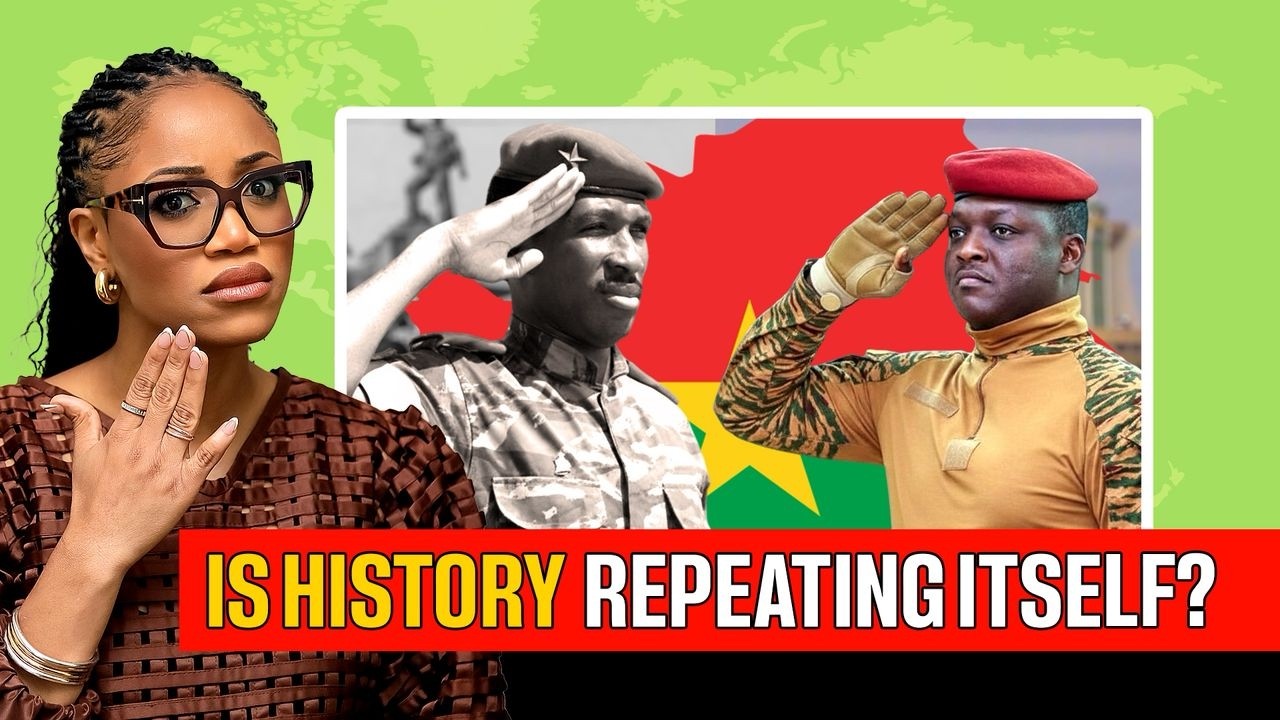
At the center of this shift is the leadership of Captain Ibrahim Traore, whose approach emphasized self reliance, internal resource mobilization, and price stability over dependency on external solutions. Rather than waiting for aid flows to return, authorities focused on keeping markets functioning, protecting food supply chains, and sustaining basic economic circulation despite ongoing threats.
This story has resonated far beyond national borders. Coverage by African Diaspora News Channel and other platforms highlights why this case matters for the broader African debate on development, sovereignty, and resilience. Under the current Burkina Faso President, economic management has become closely tied to political independence and long term stability.
The experience of Ibrahim Traoré also connects to a wider ideological current. His emphasis on Pan Africanism frames economic results not just as statistics, but as proof that African countries can chart their own paths under pressure. For supporters, Ibrahim Traore Burkina Faso represents a model of resistance to externally imposed narratives. For critics, Ibrahim Traore President raises difficult questions about sustainability and geopolitical alignment.
What cannot be dismissed, however, are the numbers themselves. The combination of strong growth, controlled inflation, and a historic trade surplus positions Burkina Faso as an outlier in a challenging regional environment. As debates continue over policy direction and international relations, the results of 2025 stand as a concrete data point in Africa’s evolving economic story.
The historic trade surplus of over 1,600 billion CFA francs is equivalent to approximately 2.67 billion US dollars.

Доступные форматы для скачивания:
Скачать видео mp4
-
Информация по загрузке: