Most Unusual and Beautiful Butterflies
Автор: Epic Wildlife
Загружено: 2020-02-17
Просмотров: 12025
Subscribe to Epic Wildlife http://goo.gl/6rzs5u
Let's Connect
-- http://www.epicadamwildlife.com/
-- / epicadamwildlife
-- / epicwildlife
-- http://gplus.to/epicwildlife
World’s Most Beautiful Butterflies
From majestic monarchs and Blue Morphos … to brilliant Birdwings and spectacular Swallowtails … here are 22 of the world’s most unusual and beautiful butterflies
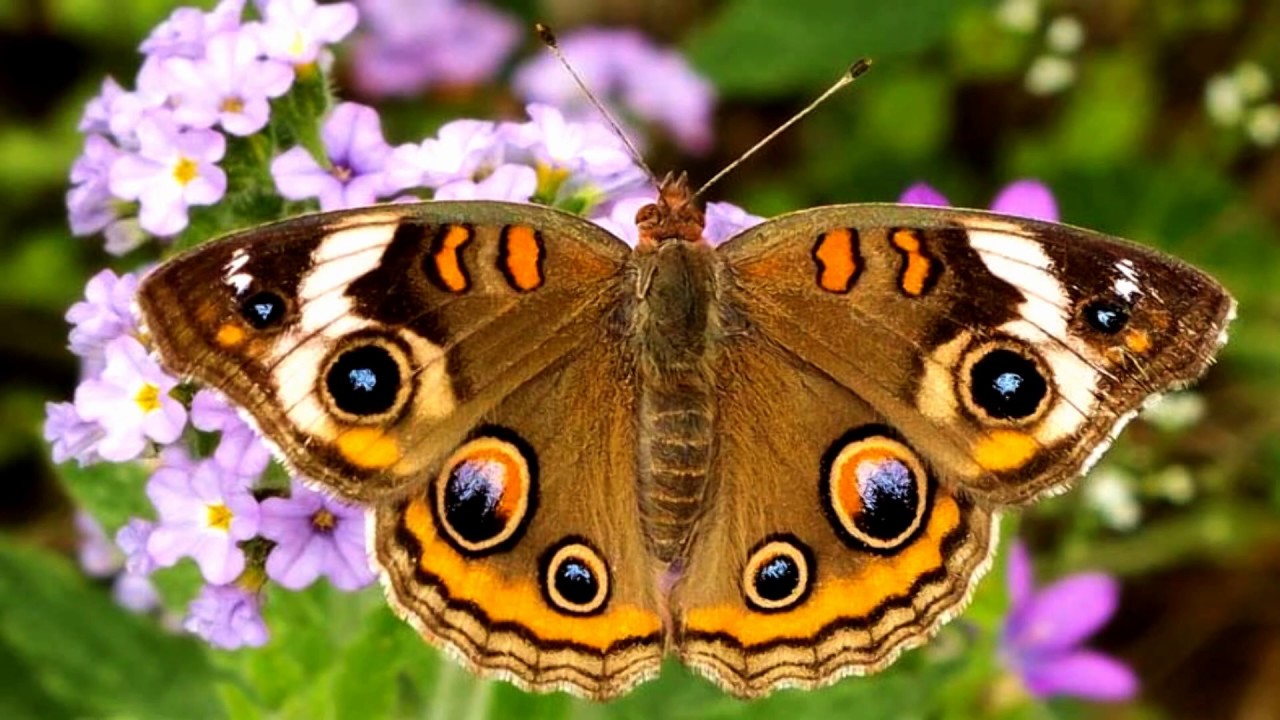
#22 Monarch
Starting off with a species that epitomizes beautiful butterflies, and maybe butterflies in general.
But as gorgeous as they appear, these animals are also quite toxic. As larvae, they feed on poisonous milkweed and the toxin makes them unpalatable to predators. Did you know their long annual migrations can cover some 1,900 miles (3,058 km) from Canada to Mexico?
It can take up to four generations of monarchs to complete the trip!
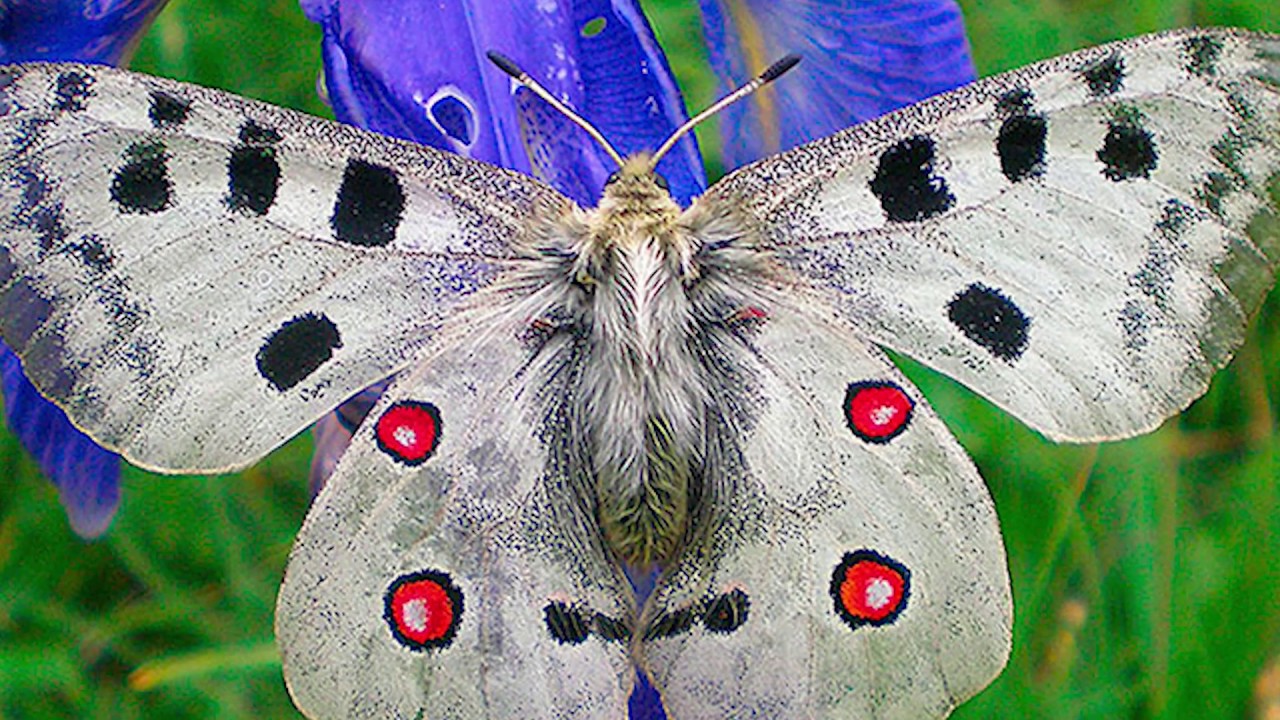
#21 Apollo Butterfly
You'll find these creatures in various mountain regions of Europe, including the Alps between France and Italy, and the Balkans in northern Greece. This insect is easily distinguished by its white body and the eyespots on its wings. Along with five large black spots on the forewings, several bright red or orange spots appear on the hindwings. Experts tell us that the size and color of those spots will vary depending upon their location, and probably serve to scare off predators. Not unlike Monarch butterflies, this variety leaves a bad taste in the mouth of any predator that tries to eat it.
#20 Richmond Birdwing
Not only is it awesome to look at, but this is also regarded as the largest subtropical butterfly in Australia. Females are larger than males, with wing spans approaching 6.5 inches (16 cm). At one time large numbers of these animals were reported from Queensland to New South Wales. But over the decades, widespread habitat loss occurred throughout their range. That has led to fragmented populations in areas including western parts of northern New South Wales. Along with habitat loss, these butterflies are threatened by an invasive species of vine, which is deadly to the Birdwing’s larva.
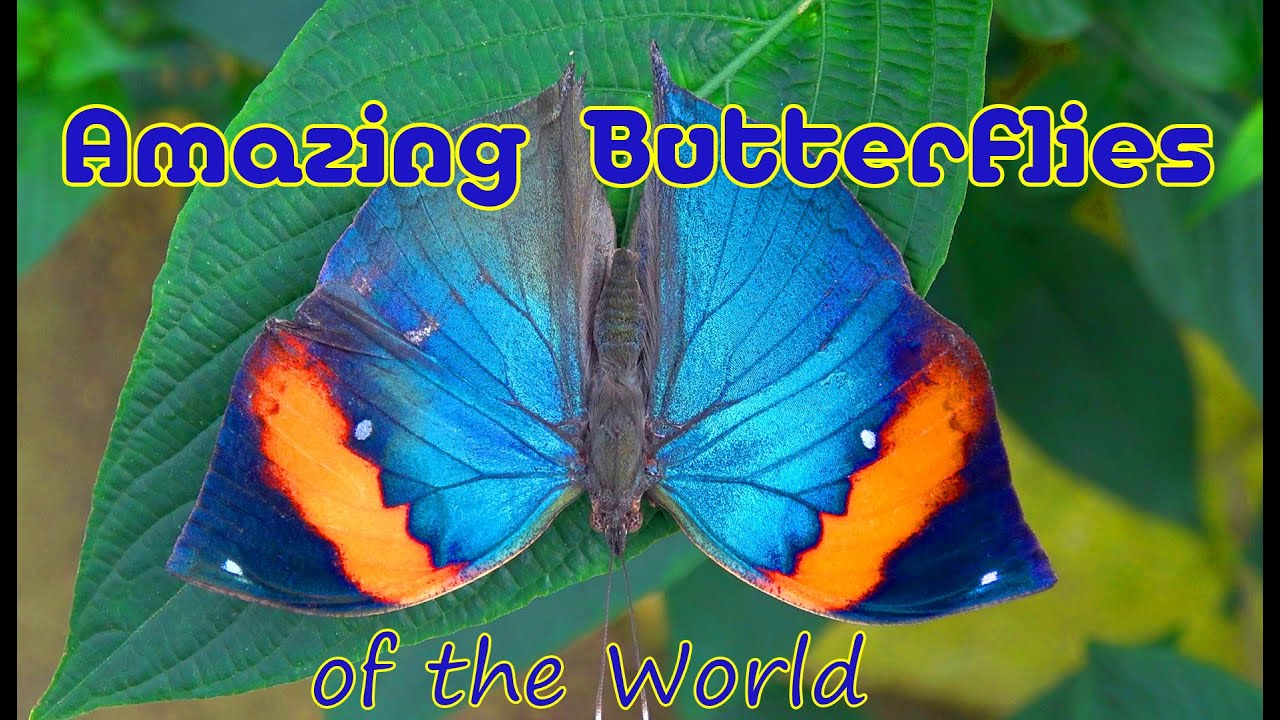
#19 Dead Leaf Butterfly
Dead leaves might not look so attractive. But this insect uses its unique appearance as camouflage, and that can be a beautiful thing. Found from Japan to India and Tropical Asia, the upper-side of the animal’s wings exhibit a vivid coloration of blue and yellow. But the underside of its wings are dark and brown. When they’re closed it creates a strong resemblance to a dry leaf. It’s an often-cited example of camouflage which allows them to easily hide from various threats. These are strong fliers, but they’ll often settle in one place where they can stay hidden for extended periods. During that time they’ll gather food like flowers and fallen fruit. They’ll only move if they detect a threat.
#18 Blue Morpho
These large butterflies are easily identified by their vivid blue wings with black edges. But the underside of their wings are colored brown with several eyespots. When they fly, the contrasting colors create a camouflage effect that hides them from predators like lizards and birds. Experts say the butterflies spend most of their time in the tropical rainforests of Central and South America. While they’re pretty to behold, Blue Morphos can release an ugly stench if they’re being threatened by aggressors.
#17 Jamaican Giant Swallowtail
With an average wingspan of 6 inches, this is the largest butterfly known in the Western Hemisphere. But their population is alarmingly small. Endemic to Jamaica, these animals are a source of national pride. They’ve been featured on postage stamps and Jamaican one-thousand dollar ($1000) bills. Researchers have described them as magnificent creatures soaring through the island’s rainforests. Even so, some populations now number fewer than 50 adult individuals. Their populations are expected to decline further due to factors including habitat loss and commercial collecting.
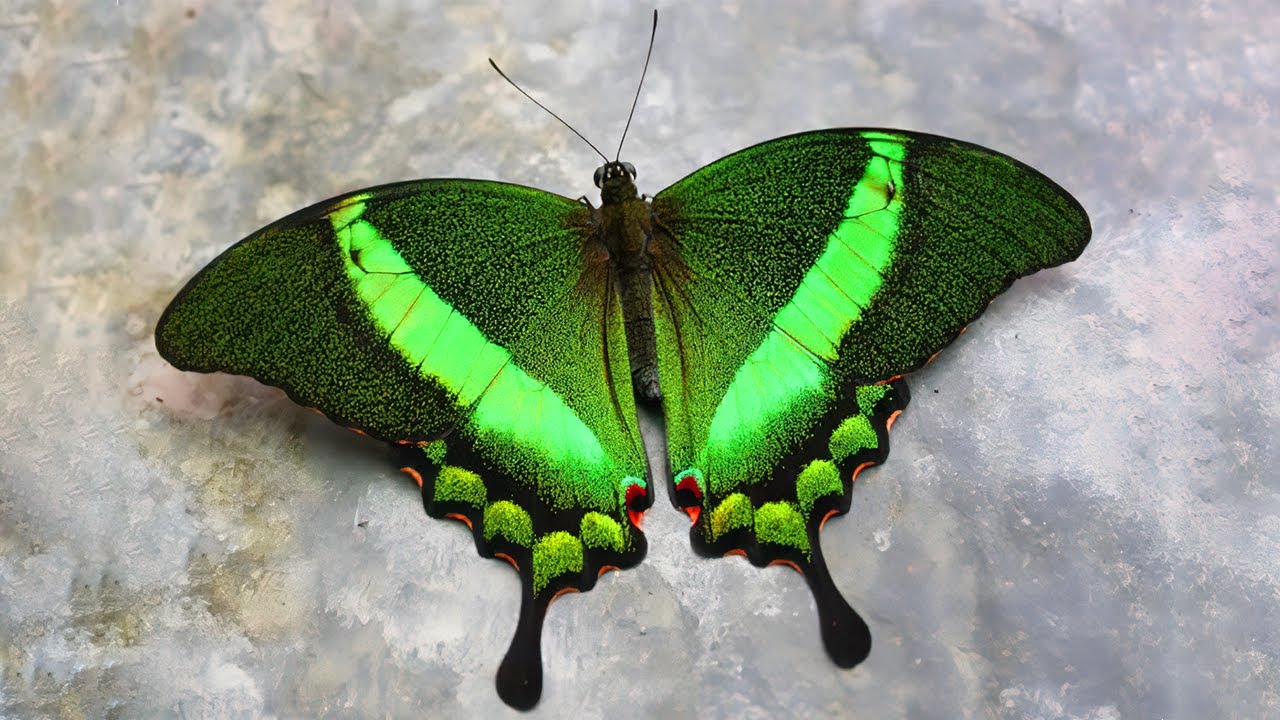
#16 Malabar Banded Peacock
Found in the Western Ghats of India, the common name of this species refers to the green, blue, and black wing bands which are reminiscent of a peacock. No wonder why it’s a big hit with collectors. With a wingspan of some 4.5 inches (12 cm), it’s regarded as a fast flyer and is protected in India.
Доступные форматы для скачивания:
Скачать видео mp4
-
Информация по загрузке: