Black Venezuelan Corydoras Care Guide
Автор: MikeFish
Загружено: 2024-11-28
Просмотров: 3456
Basic care guide for keeping this fish, rough notes below as always. Thanks for watching!
If you wish to support: https://www.buymeacoffee.com/mikefish316
Please Like & Subscribe!
Instagram: / mikefish316
Tiktok: / mikefish316
Facebook: https://www.facebook.com/MikeFish-104...
Twitter (X): / xxmike316xx
Reddit: / mikefish316
Gaming channel: / @mikediablo316
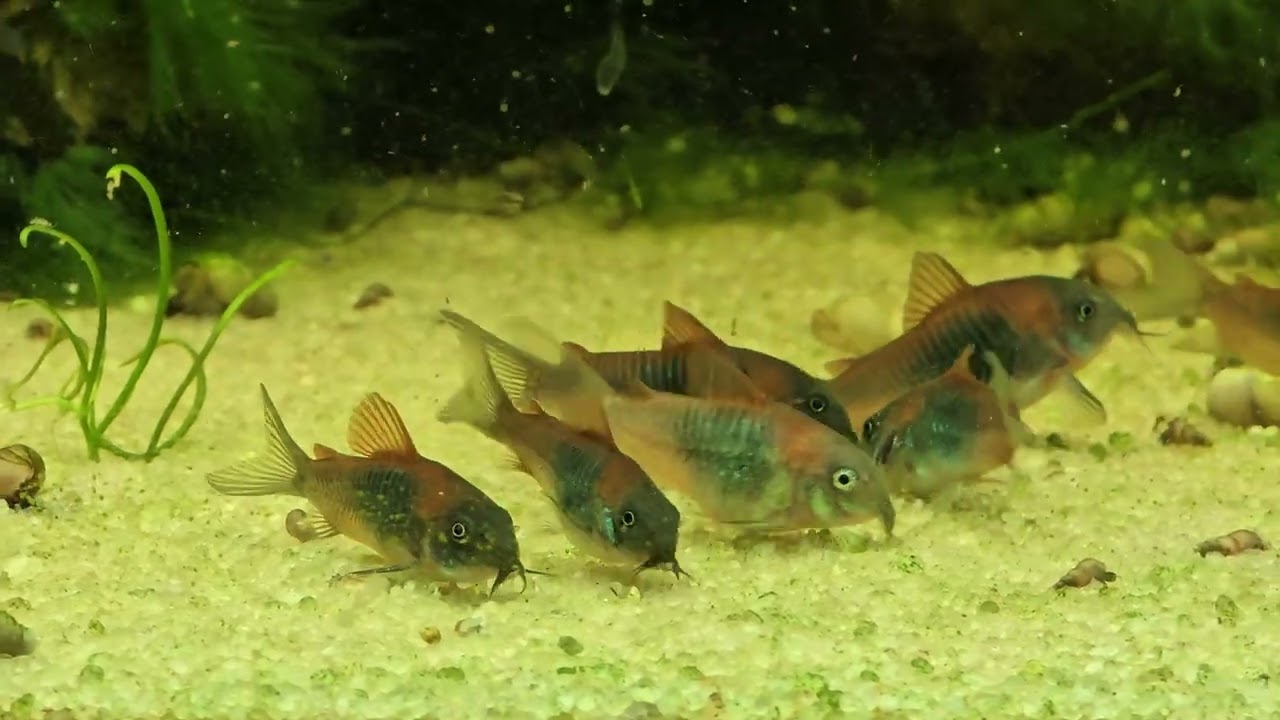
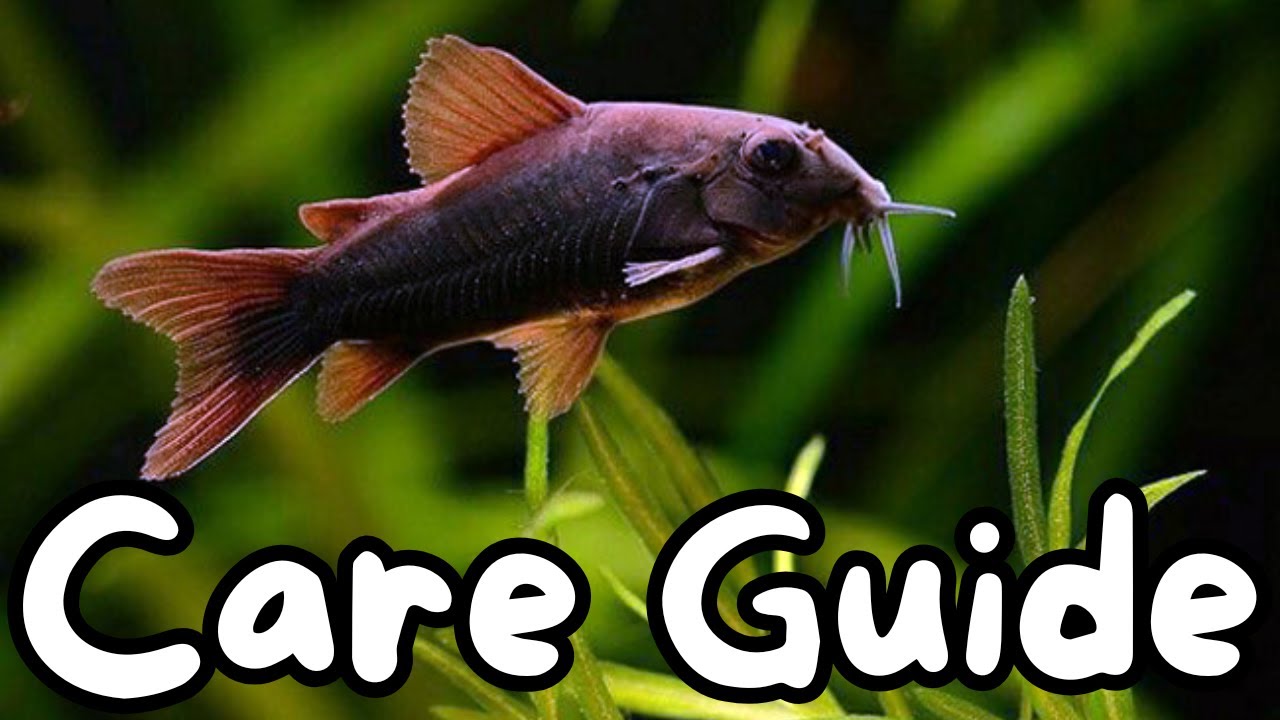
Black Venezuelan Corydora - Corydoras schultzei
*Aka black venezuela
*Debate whether they should be similar or different than Corydoras Aenus
Native
*Despite its name, its not from Venezuela, but is native to Peru
*Variants are wild, captive bred in Germany and Czech Republic for the Black variant
Characteristics
*Rare colour variant of the Gold Flash Corydora
*Possesses specialized barbels around their mouth, which they use to locate food particles and navigate their surroundings
*Displays black and dark maroon colouration across its entire body
*The black variant was developed and line-bred by German aquarists, in the 1990s
*Not commercially bred as much as other corydoras
*Schooling fish
*Peaceful
*Bottom dweller
*Max size of 2.5-3 inches
*Life expectancy of 5-7 years
Aquarium
*pH 6.5 – 7.5
*KH 2 – 15 dGH
*Temperature 72-82F (22-28C)
*Minimum 20 gallon long aquarium
*Moderate water movement
*Soft water preferred
*Substrate should be sand or smooth gravel
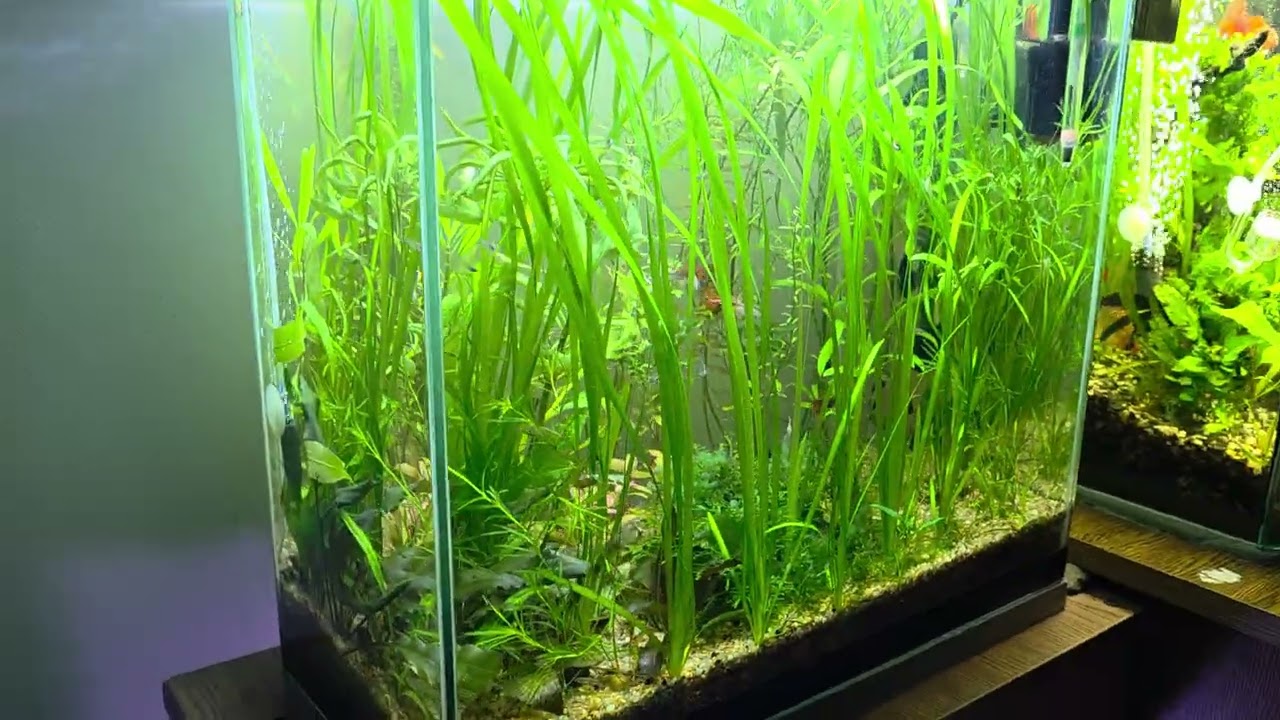
*Provide ample shaded areas with driftwood, rocks, dense plants
Diet
*Omnivorous
*Feed on the bottom of the aquarium
*Will accept most dry, live and frozen foods
*Sinking catfish pellets, bloodworms, mosquito larvae, brineshrimp
Tank Mates
*More corydoras as they are a schooling fish
*Peaceful community fish
*Angelfish
*Dwarf cichlids
*Rams, tetras, otocinclus, rasboras, white cloud minnows, danios
*Safe with larger shrimp but might prey on small shrimp
Gender & Breeding
*Look similar to one another
*Females are larger overall and more rounded when viewed from above (due to eggs)
*Can trigger spawning by performing a large water change with slightly cooler water
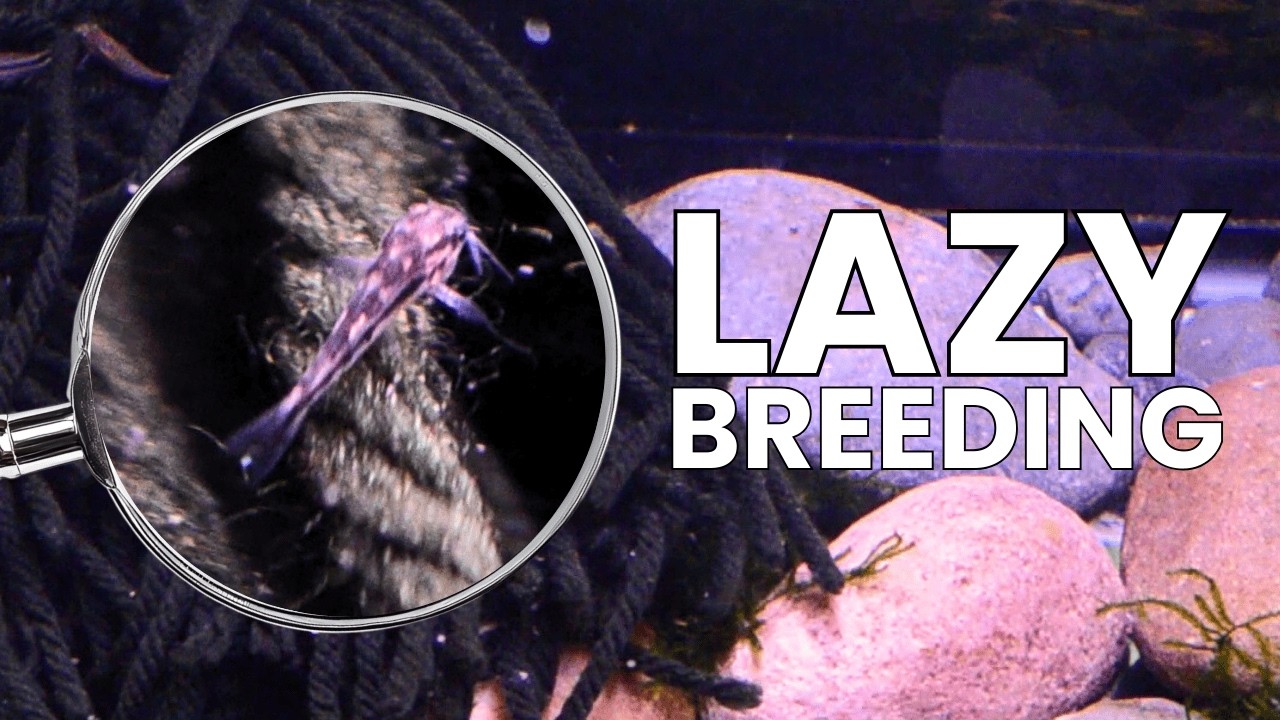
*A pair will adopt the classic T position where the male fertilizes the eggs that are held between the females pelvic fins
*Adhesive eggs will be desposited onto plants and decor, sides of aquarium
*Eggs are prone to fungus, methylene blue will help prevent this
*The eggs usually take 3-4 days to hatch
*Feed finely powdered fish foods first
*After a few days move onto baby brine shrimp
#aquarium #fish #aquascape #corydoras #careguide
Доступные форматы для скачивания:
Скачать видео mp4
-
Информация по загрузке: