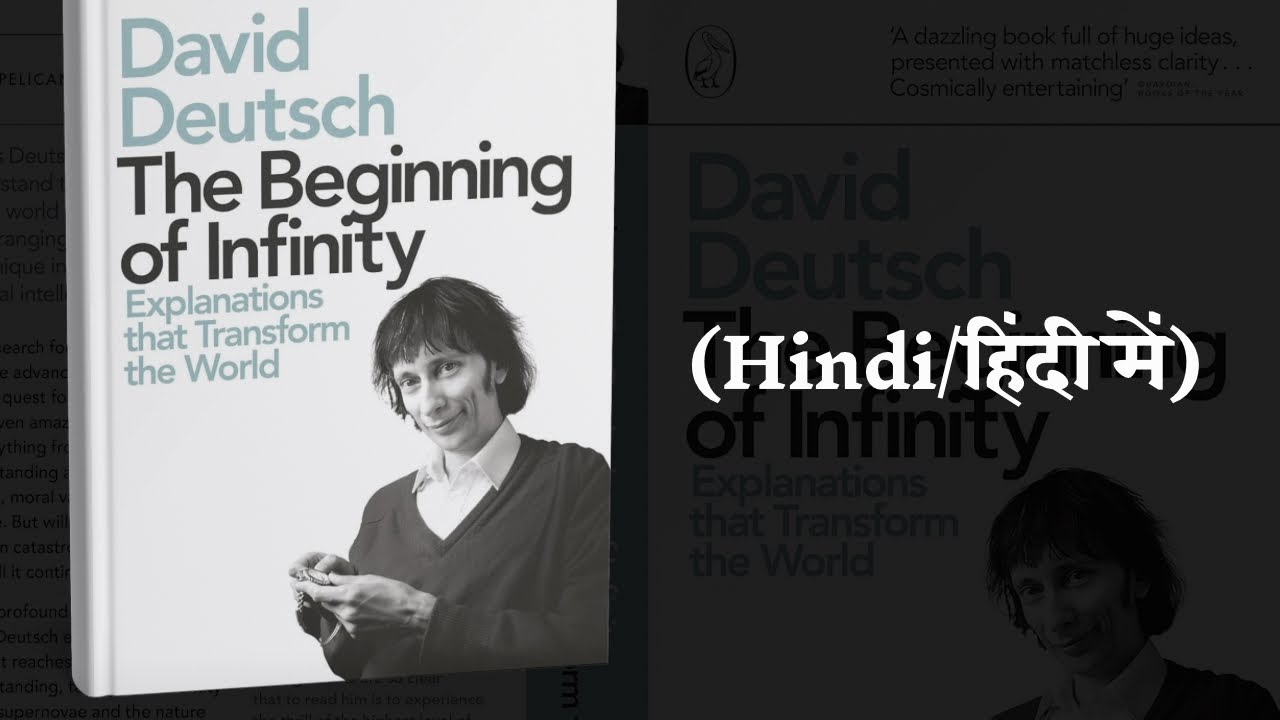
The Fabric of Reality (HINDI/हिंदी में)
Автор: SyllabuswithRohit
Загружено: 2024-12-17
Просмотров: 54834
The Fabric of Reality
Author: David Deutsch
*Introduction:*
The Fabric of Reality explores the deepest truths of the universe.
Combines science, philosophy, and technology to explain everything.
Introduces four key ideas:
*Quantum physics*
*Theory of computation*
*Evolution*
*Epistemology* (study of knowledge)
These ideas create a framework to explain reality.
---
*Chapter 1: The Theory of Everything*
Scientists use two approaches to explain the universe:
**Reductionism**: Breaking things into small parts (e.g., molecules).
**Holism**: Looking at the system as a whole.
Neither method alone is enough.
True understanding comes from combining:
Quantum physics
Evolution
Computation
Knowledge
---
*Chapter 2: Shadows and Quantum Physics*
Quantum physics describes strange behavior of tiny particles.
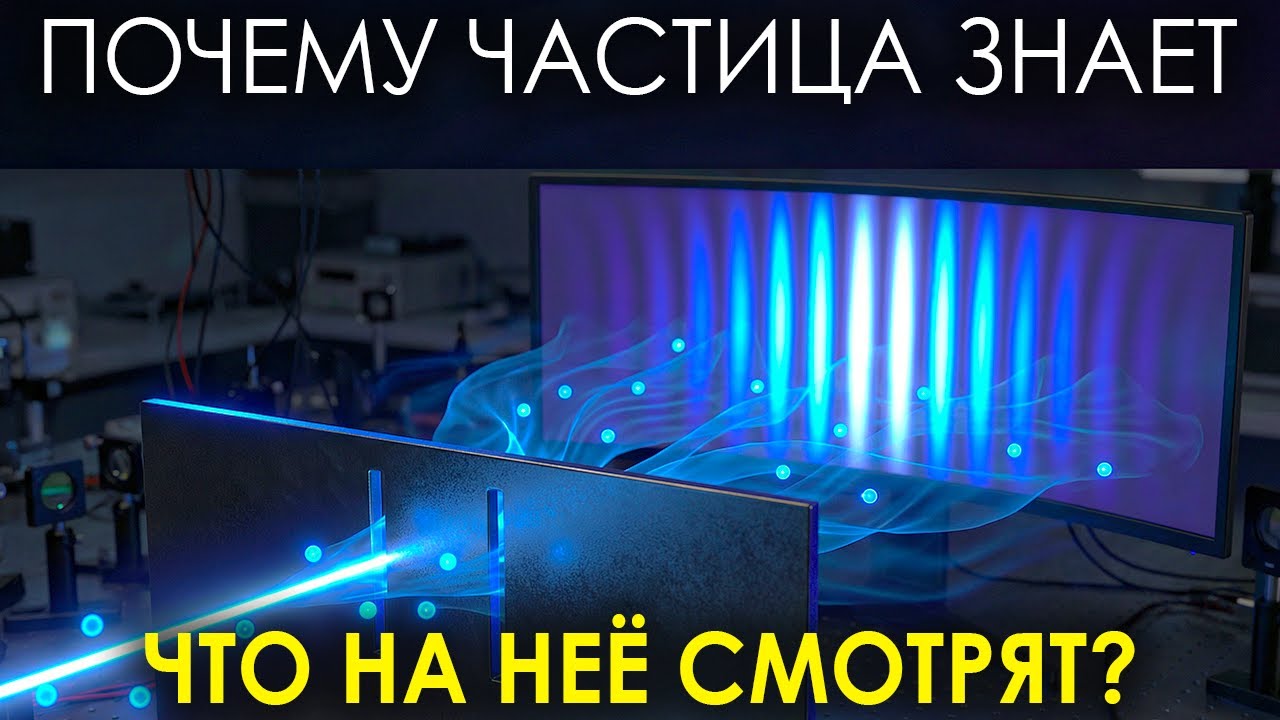
**Double-slit experiment**:
Light acts like both a wave and a particle.
Light passes through two slits and creates patterns.
Suggests existence of **parallel universes**.
Quantum physics proves multiple realities exist simultaneously.
---
*Chapter 3: Problem-Solving and Science*
Science is about solving problems, not just observing.
Steps in solving problems:
1. Identify a problem.
2. Create guesses (conjectures).
3. Criticize and test ideas.
4. Adopt the best solution.
Science is like evolution: ideas compete to survive.
---
*Chapter 4: What Makes Something Real?*
Something is real if it affects us and can be measured.
Examples:
*Gravity* pulls objects.
*Light* lets us see.
Scientific explanations change over time:
Newton: Gravity as a force.
Einstein: Gravity as bending of space and time.
Reality doesn’t change; our understanding improves.
---
*Chapter 5: Virtual Reality*
*Virtual reality* (VR) creates fake worlds that feel real.
Examples:
Video games
Flight simulators
VR shows reality can be created through information and computation.
Suggests our universe might be like a virtual reality.
---
*Chapter 6: Computation and Universal Machines*
*Theory of computation* explains how machines solve problems.
*Turing machine* can simulate any computable process.
The universe acts like a giant computer.
Limits to computation exist: some problems are too complex.
---
*Chapter 7: Justification of Ideas*
Ideas are justified when they:
Solve problems.
Stand up to criticism.
Rejects the idea of one ultimate source of truth.
Knowledge constantly improves through better explanations.
---
*Chapter 8: Life and Knowledge*
Life creates **knowledge**, not just survival.
Examples:
Genes carry survival knowledge.
Humans use knowledge to build and change the world.
Life and knowledge shape the universe in powerful ways.
---
*Chapter 9: Quantum Computers*
Quantum computers use rules of quantum physics.
Classical computers solve problems step by step.
Quantum computers:
Explore *parallel universes* to solve problems at once.
Solve tasks like breaking codes and modeling molecules.
---
*Chapter 10: Mathematics and Reality*
Mathematics is part of physical reality, not just abstract ideas.
Examples:
Numbers measure real things.
Proofs test ideas like computations.
**Gödel’s incompleteness theorem**:
No system of rules can explain everything.
Mathematics will always keep growing.
---
*Chapter 11: Time and the Multiverse*
Time is not a smooth flow but a series of *snapshots* of moments.
Quantum physics suggests time involves **multiple universes**.
Different things happen simultaneously across these universes.
---
*Chapter 12: Time Travel*
**Einstein’s relativity**: Time travel to the future is possible.
Traveling to the past is harder and involves many challenges.
Time travel could help share knowledge across universes.
---
*Chapter 13: The Four Strands of Reality*
The book’s four main ideas combined:
1. **Quantum physics**: Explains the tiny universe.
2. **Theory of computation**: Universe as a computer.
3. **Evolution**: Life adapts and grows.
4. **Epistemology**: Knowledge improves through better explanations.
Together, they create a complete picture of reality.
---
*Chapter 14: The Ends of the Universe*
Life and knowledge will shape the universe’s future.
Possible advanced civilization achievements:
Control galaxies and stars.
Create new universes.
Reverse the effects of entropy.
Knowledge is the most powerful force.
Life and knowledge will continue to grow forever.
---
*Conclusion:*
Understanding reality requires combining:
Quantum physics
Computation
Evolution
Knowledge
These ideas show the universe as a place full of possibilities.
Life and knowledge can shape an amazing future.

Доступные форматы для скачивания:
Скачать видео mp4
-
Информация по загрузке:






![Неожиданная правда о 4 миллиардах лет эволюции [Veritasium]](https://imager.clipsaver.ru/Unxh6MnVIWc/max.jpg)