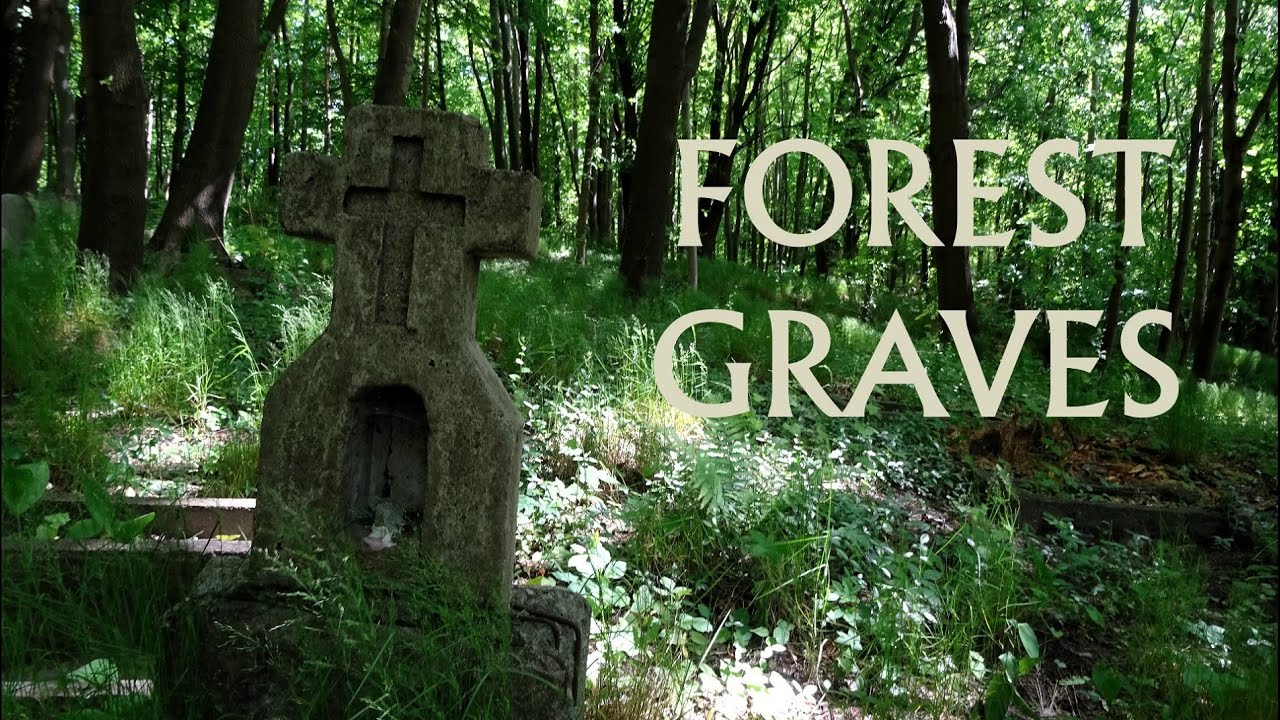
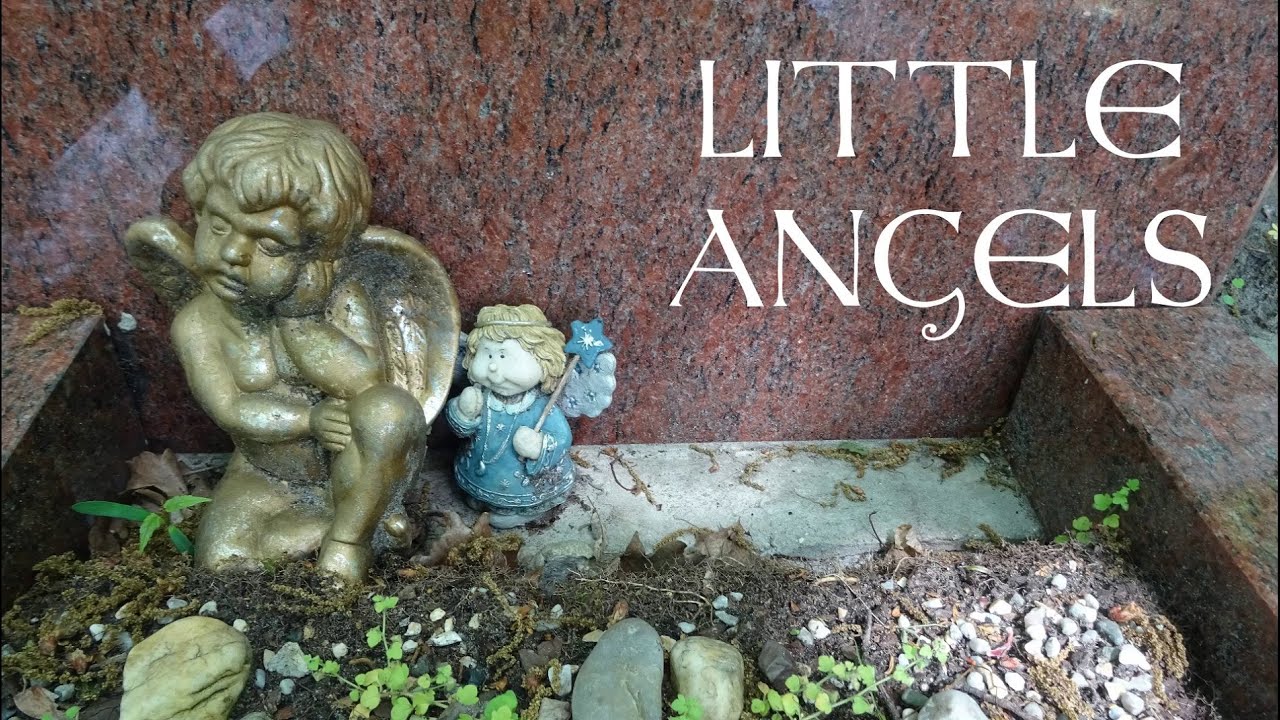
Gdańsk Cemetery in the Forest. Part 1. Children's Graves/ Cmentarz w lesie. Cz.1. Kwatery dzieci.
Автор: Lady Strzyga Discovers the Past
Загружено: 2025-10-11
Просмотров: 1145
The Weiser Viaduct existed in Gdańsk between 1913 and 2013. The structure was built in 1913 and connected land that was not forested at the time. Between 1914 and 1945, the Kashubian Railway ran underneath it. At the end of March 1945, German troops retreating from Gdańsk blew up the largest of the viaducts. This one, located away from the war zone, was not destroyed and survived until 2013. The structure gained popularity thanks to Paweł Huelle's book Weiser Dawidek, published in 1987, and from that moment on, it was referred to as the Weiser Bridge or Viaduct. Due to the construction of the Pomeranian Metropolitan Railway, the viaduct was demolished in 2013. A new, quite similar viaduct was built in its place, but adapted to the electrified double-track railway line built underneath it. The inscription ‘Relics of the Weiser Bridge from 1913’ appeared on a boulder located next to a fragment of the balustrade, and a plaque describing the history of the structure from 1913 to 2013 was placed on the preserved wall.
The cemetery in Brętowo – destroyed, neglected, partially liquidated. It is currently the only preserved pre-war cemetery in Gdańsk with the largest number of graves. In 1904, the Sacred Heart Parish Cemetery was established in the northern part of the Brętowo district, where residents of the Wrzeszcz district and the Brętowo settlement were buried. The first burials took place in 1906. In 1920, it was enlarged with a plot on the western side, and in 1940, the oldest part of the cemetery was demolished. Both Germans and Poles were buried in the Brętowo cemetery, as shown by the plaques on the preserved graves. Since 1947, no more burials have taken place at the cemetery. In 1956, the cemetery was closed. A new church (built in the 1980s) stands on some of the former graves. The part of the cemetery located behind the parish house, on the slope of Ślimak Hill, has been overgrown by forest. Many of the gravestones are in poor condition, and most of the inscriptions on the slabs have been completely erased and are impossible to read. As of 2013, the cemetery had 259 graves, including 132 graves preserved in the northern children's section of the necropolis. Among the children buried in the cemetery is Horst Meller (1929–1936), immortalised in the novel Weiser Dawidek by Gdańsk writer Paweł Huelle. The child's grave is located behind the parish house, in the northern (wooded) part of the cemetery.
Music: Zmariusz666 / @zmariusz666
Wiadukt Weisera istniejący w Gdańsku w latach 1913–2013. Obiekt został wybudowany w 1913 i łączył niezalesione wówczas grunty. W latach 1914–1945 istniała pod nim Kolej Kaszubska. Wycofujące się z Gdańska niemieckie wojska pod koniec marca 1945 wysadziły największe z wiaduktów. Ten znajdując się na uboczu walk wojennych nie został zniszczony i przetrwał do 2013. Popularności temu obiektowi przysporzyła wydana w 1987 książka Weiser Dawidek Pawła Huellego, od tego momentu obiekt ten nazywany był mostem bądź wiaduktem Weisera. W związku z budową Pomorskiej Kolei Metropolitalnej wiadukt został wyburzony w 2013 r. W miejscu wyburzonego wiaduktu powstał nowy dosyć podobny, ale dostosowany do wybudowanej pod nim zelektryfikowanej dwutorowej linii kolejowej. Na głazie znajdującym się przy fragmencie balustrady pojawił się napis Relikty Mostu Weisera z 1913 r., a na zachowanym murku umieszczono tablicę opisującą historię obiektu z lat 1913–2013.
Cmentarz w Brętowie – zniszczony, zaniedbany, częściowo zlikwidowany. Jest to w tej chwili jedyny zachowany nieczynny przedwojenny cmentarz w Gdańsku z największą liczbą grobów.
W 1904 roku w północnej części dzielnicy Brętowo utworzono cmentarz parafii Serca Jezusa, na którym chowano mieszkańców dzielnicy Wrzeszcz i osady Brętowo.
Pierwsze pochówki miały miejsce w 1906 r. W 1920 r. powiększono go o parcelę od strony zachodniej, a w 1940 r. zlikwidowano najstarszą część cmentarza. Na brętowskim cmentarzu chowano zarówno Niemców, jak i Polaków, co pokazują tabliczki na zachowanych grobach. Od 1947 na cmentarzu nie są już chowani zmarli. W 1956 cmentarz został zamknięty. Na części dawnych grobów stoi nowy kościół (wybudowany w latach 80 XX wieku).
Część cmentarza znajdującą się za domem parafialnym, na stoku wzgórza Ślimak, zarósł las. Sporo nagrobków jest w złym stanie, większość inskrypcji na płytach uległa już całkowitemu zatarciu i nie jest możliwa do odczytania.
Według stanu z 2013 cmentarz liczył 259 grobów, w tym w północnej dziecięcej kwaterze nekropolii zachowało się 132 grobów.
Wśród dzieci pochowanych na cmentarzu jest Horst Meller (1929–1936), uwieczniony w powieści „Weiser Dawidek” gdańskiego pisarza Pawła Huelle. Grób tego dziecka znajduje się za domem parafialnym, w północnej (leśnej) części cmentarza.
Muzyka: Zmariusz666 / @zmariusz666
Доступные форматы для скачивания:
Скачать видео mp4
-
Информация по загрузке: