Big Blue Purifier Carbon Change - Step-by-Step Guide for Healthy Koi
Автор: Elite Koi
Загружено: 2024-02-02
Просмотров: 2453
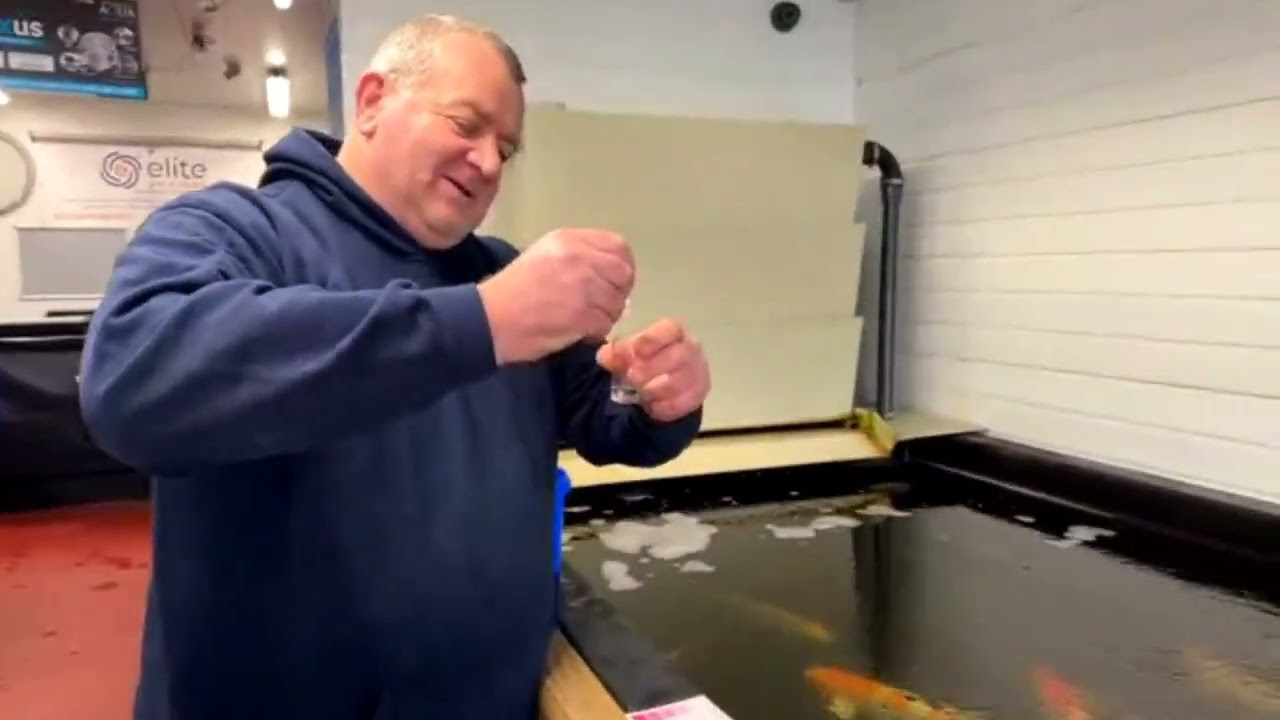
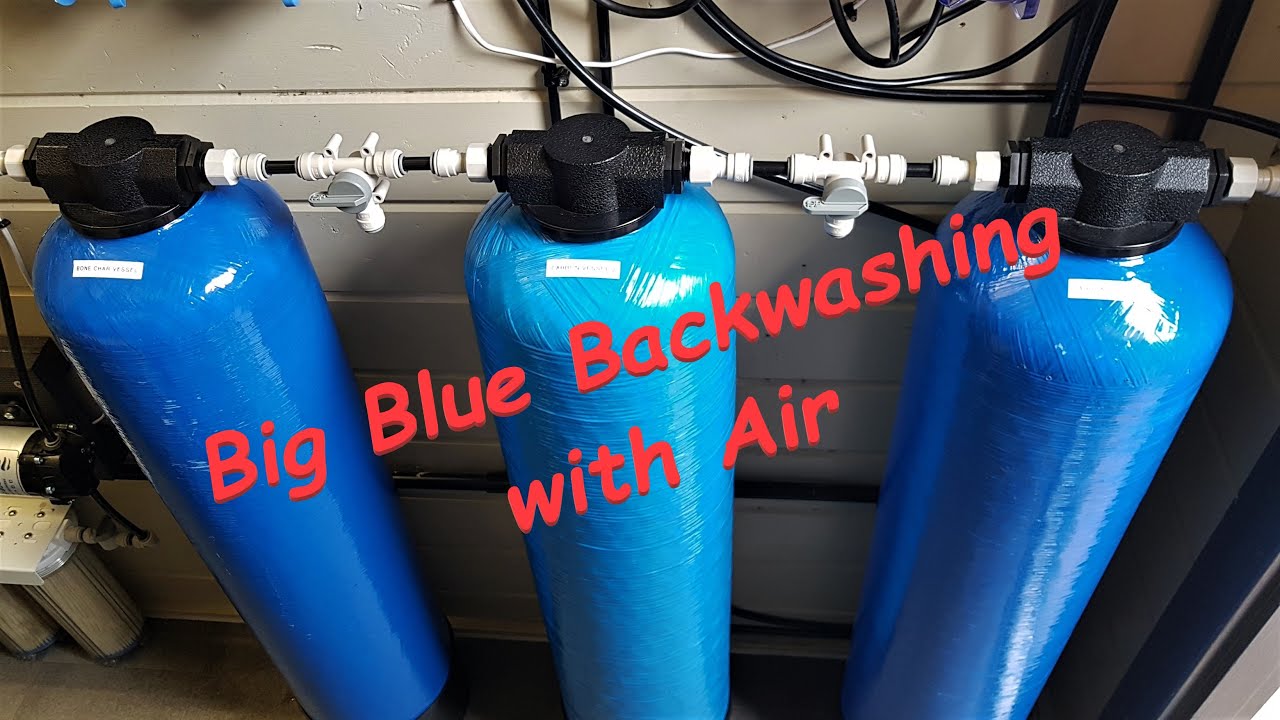
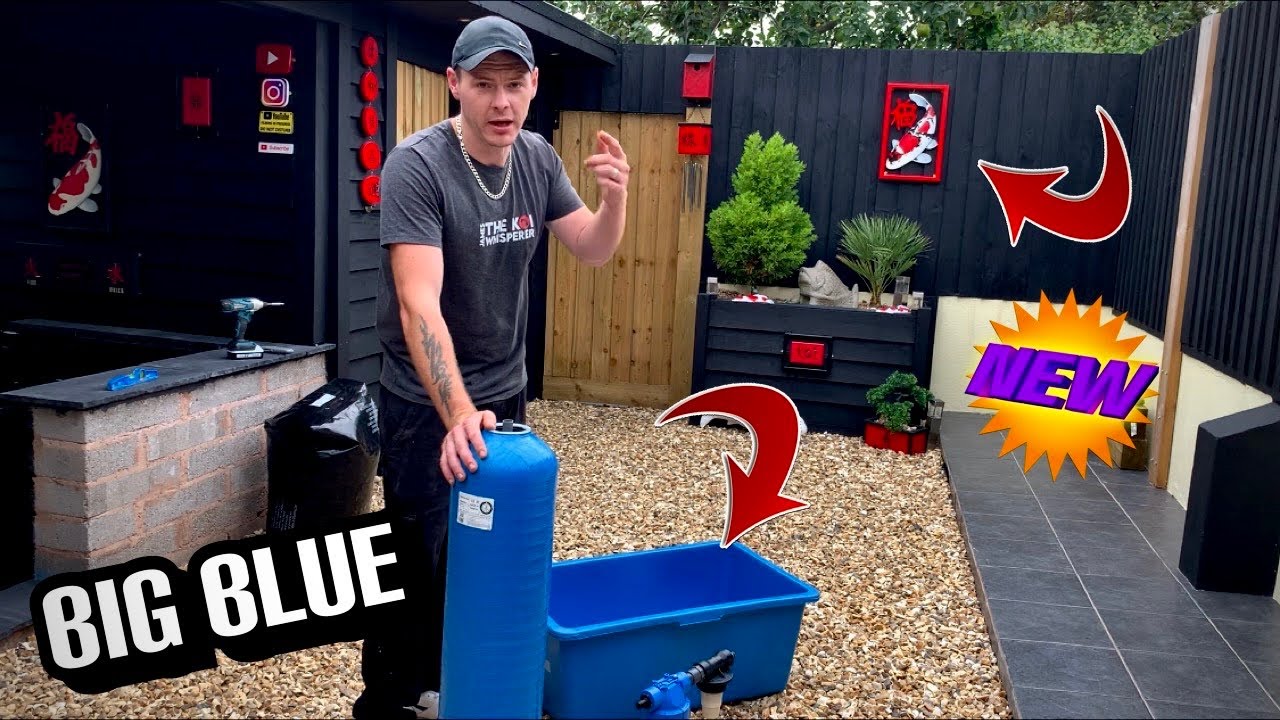
Join Chris, Michael & Dek from Elite Koi as they demonstrates a complete carbon change on a big blue purifier pressurised pond filter. Learn why removing chlorine is critical for maintaining healthy koi and a thriving biological filter.
Chris explains how deadly chlorine damages fish gills and negatively impacts essential nitrifying bacteria. He covers the importance of changing carbon filters regularly to remove chlorine and prevent toxic chloramine buildups.
Follow along as Chris shows:
How to safely drain and disassemble the pressurised filter
Step-by-step carbon removal and replacement
Reassembling the canister filter without leakage
Best practices for carbon care and maintenance
All products used, including the new Koi SOS Carbon, are available for purchase through Elite Koi to recreate this setup for your pond. Protect your prized koi from chlorine damage and keep water chemistry in perfect balance with regular carbon changes.
#koicare #koipond #pressurizedfilter #carbonfilter #chlorine #chloramine #biologicalfilter #elitkoi
Why It's Critical to Ensure No Chlorine Enters Koi Ponds
Koi pond owners must be vigilant in preventing any chlorine from entering the sensitive aquatic environment that healthy koi require. Here's why chlorine can quickly become deadly to precious koi fish:
Destroyed Protective Mucus Coating
Koi produce a protective layer of mucus on their skin and scales that serves as an initial barrier against toxins and dangerous pathogens. However, chlorine ruthlessly destroys this crucial mucus covering, leaving koi susceptible to a host of bacterial, viral, fungal and parasitic attacks.
Gill Tissue Damage
Once the mucus coating has been stripped away, dissolved chlorine immediately targets koi gill tissue. Even low concentrations burn and destroy delicate gill filaments that allow for oxygen exchange. This leaves koi literally gasping for breath.
Nitrifying Bacteria Die-Off
The nitrification process carried out by beneficial bacteria in biological filters is also devastated by chlorine exposure. Chlorine will rapidly kill off massive colonies of Nitrosomonas and Nitrobacter bacteria that convert ammonia and nitrites into less toxic nitrates.
Toxic Chloramine Formation
Over time, chlorine bonds with ammonia that is perpetually excreted by koi to form chloramines. Chloramines are vastly more stable than lone chlorine molecules, taking weeks or months to eventually break down or dissipate rather than hours or days. Prolonged chloramine exposure has been implicated in koi cancers and reproductive issues.
Simply put, vigilant pond owners must exclude all sources of chlorine from entering their ponds to protect biological filters and safeguard koi health. Using carbon filtration and dechlorinating agents represent the only ways to fully eliminate this ubiquitous water treatment chemical.Why It's Critical to Ensure No Chlorine Enters Koi Ponds
Koi pond owners must be vigilant in preventing any chlorine from entering the sensitive aquatic environment that healthy koi require. Here's why chlorine can quickly become deadly to precious koi fish:
Destroyed Protective Mucus Coating
Koi produce a protective layer of mucus on their skin and scales that serves as an initial barrier against toxins and dangerous pathogens. However, chlorine ruthlessly destroys this crucial mucus covering, leaving koi susceptible to a host of bacterial, viral, fungal and parasitic attacks.
Gill Tissue Damage
Once the mucus coating has been stripped away, dissolved chlorine immediately targets koi gill tissue. Even low concentrations burn and destroy delicate gill filaments that allow for oxygen exchange. This leaves koi literally gasping for breath.
Nitrifying Bacteria Die-Off
The nitrification process carried out by beneficial bacteria in biological filters is also devastated by chlorine exposure. Chlorine will rapidly kill off massive colonies of Nitrosomonas and Nitrobacter bacteria that convert ammonia and nitrites into less toxic nitrates.
Toxic Chloramine Formation
Over time, chlorine bonds with ammonia that is perpetually excreted by koi to form chloramines. Chloramines are vastly more stable than lone chlorine molecules, taking weeks or months to eventually break down or dissipate rather than hours or days. Prolonged chloramine exposure has been implicated in koi cancers and reproductive issues.
Simply put, vigilant pond owners must exclude all sources of chlorine from entering their ponds to protect biological filters and safeguard koi health. Using carbon filtration and dechlorinating agents represent the only ways to fully eliminate this ubiquitous water treatment chemical.

Доступные форматы для скачивания:
Скачать видео mp4
-
Информация по загрузке: