Jean-François Dandrieu Livre de noëls Ron McKean organ St. Maximin Basilique SainteMarieMadeleine
Автор: Ronald McKean
Загружено: 2025-11-19
Просмотров: 51
Jean-François Dandrieu (1682-1738)
Livre de noëls pour l’orgue et le clavecin Paris (1759)
Ronald Mckean Organist
Tous les Bourgeois de Chatres 0:00:00
Où s’en vont ces gais Bergers ~ Offertoire ~ 01:13
Chantons, je vous prie 09:27
A minuit fut fait un réveil 11:41
Noël cette Journée 13:41
Michau qui causoit ce grand bruit 16:55
Quand je m’éveillai et eus assez dormi 18:56
Chantons, je vous prie (autre) 21:27
Allons voir ce divin gage 23:15
Jacob que tu es habile 25:15
À minuit fut fait un réveil (autre chant) 26:32
A minuit fut fait un réveil 28:02
Il fait bon aimer 29:55
Le Roy des Cieux vient de naître 34:33
Si c’est pour ôter la vie 35:39
Vous qui désirez sans fin 38:20
Quand le Sauveur Jésus-Christ ou Bon Joseph, écoutez-moi 43:14
Il n’est rien de plus tendre 46:06
Savez-vous, mon cher voisin 48:31
Mais on san es allé Nau 49:04
Ô Nuit, heureuse Nuit 50:45
Puer nobis nascitur 51:41
Carillon ou Cloches 53:24
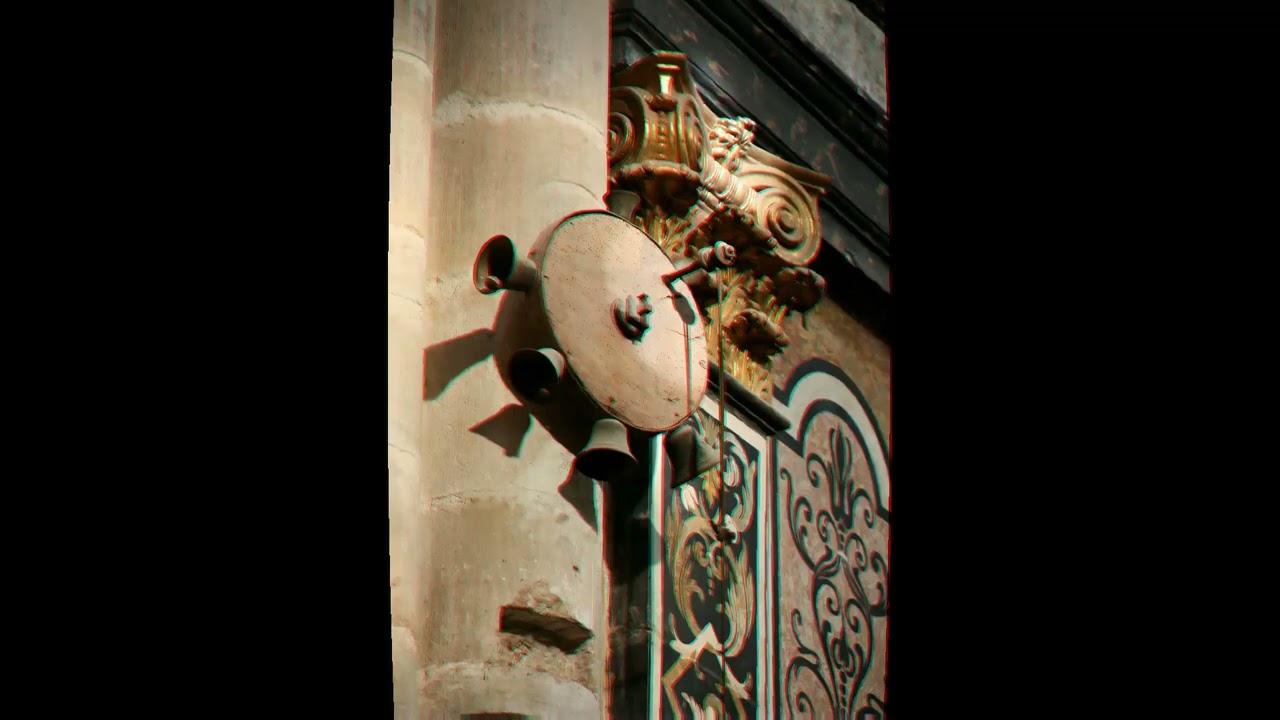
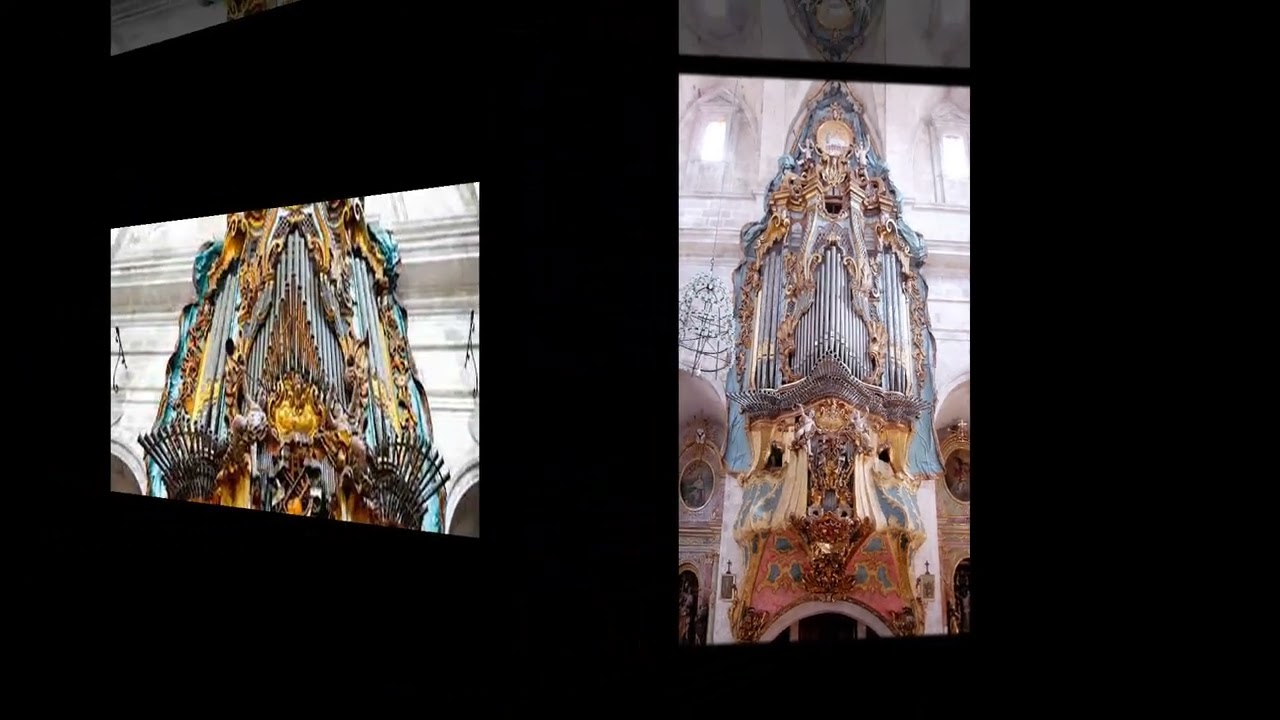
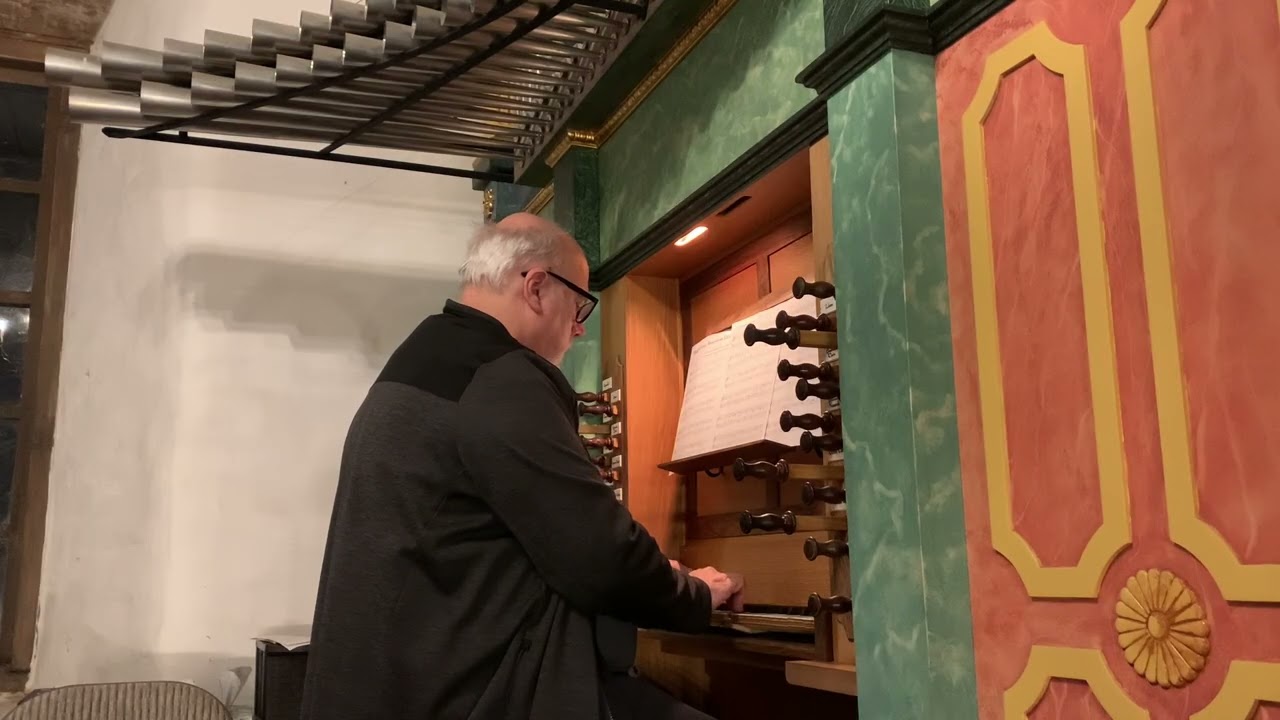
Jean Esprit Isnard organ (1775) - St. Maximin, Provence
Basilique Sainte-Marie-Madeleine
Jean-François Dandrieu (1682–1738) occupies a pivotal position in the French Baroque organ tradition, bridging the stylistic lineage from the Grand Siècle masters such as Nicolas de Grigny and François Couperin to the later rococo aesthetic of mid-eighteenth-century Paris. Trained under Jean-Baptiste Moreau and a child prodigy at the keyboard, Dandrieu eventually became titular organist of Saint-Merri and later of the Chapelle Royale. His musical output reflects a sophisticated duality: on the one hand, the intellectual and contrapuntal rigour inherited from the classical French school; on the other, a heightened sensitivity to ornamentation, texture, and timbral nuance that presages the galant sensibility. His organ works, particularly the Noëls variés, exemplify both his deep assimilation of the French harmonic idiom and his penchant for reconfiguring it into a more personal, virtuosic, and vividly rhetorical language.
The Noëls pour orgue et clavecin (1733) stand as Dandrieu’s most emblematic contribution to liturgical and para-liturgical repertoire. These sets of variations on popular Christmas carols do more than merely embellish folk melodies; they enact an intricate dialogue between popular devotion and high artistry. Each Noël unfolds through successive transformations—alternating manualiter and pedaliter textures, juxtaposing rustic dance rhythms with noble ornamentation, and exploring an almost orchestral registration palette typical of the French orgue classique. Within these variations, Dandrieu demonstrates a subtle mastery of motivic manipulation and textural contrast, converting simple cantus firmi into sophisticated vehicles of theological and aesthetic contemplation. His use of rhythmic displacement, suspensive cadential structures, and elaborate agréments imbues the works with both jubilant immediacy and refined spiritual resonance.
In a broader cultural and theological sense, Dandrieu’s Noëls encapsulate the paradox at the heart of French sacred music in the early Enlightenment: the reconciliation of courtly elegance with devotional sincerity. The organist, by transforming vernacular carols into monumental cycles, mediates between the popular and the sacred, the sensuous and the contemplative. Dandrieu’s contribution thus extends beyond the mere continuation of a tradition; he redefines it in terms of expressive individuality and structural sophistication. His Noëls constitute not only a high point of the genre but also an aesthetic statement about the capacity of instrumental music to embody communal faith through the language of stylized artifice.
Many Thanks to Sonus Pardisi for their incredible skill in recording this organ.i

Доступные форматы для скачивания:
Скачать видео mp4
-
Информация по загрузке: