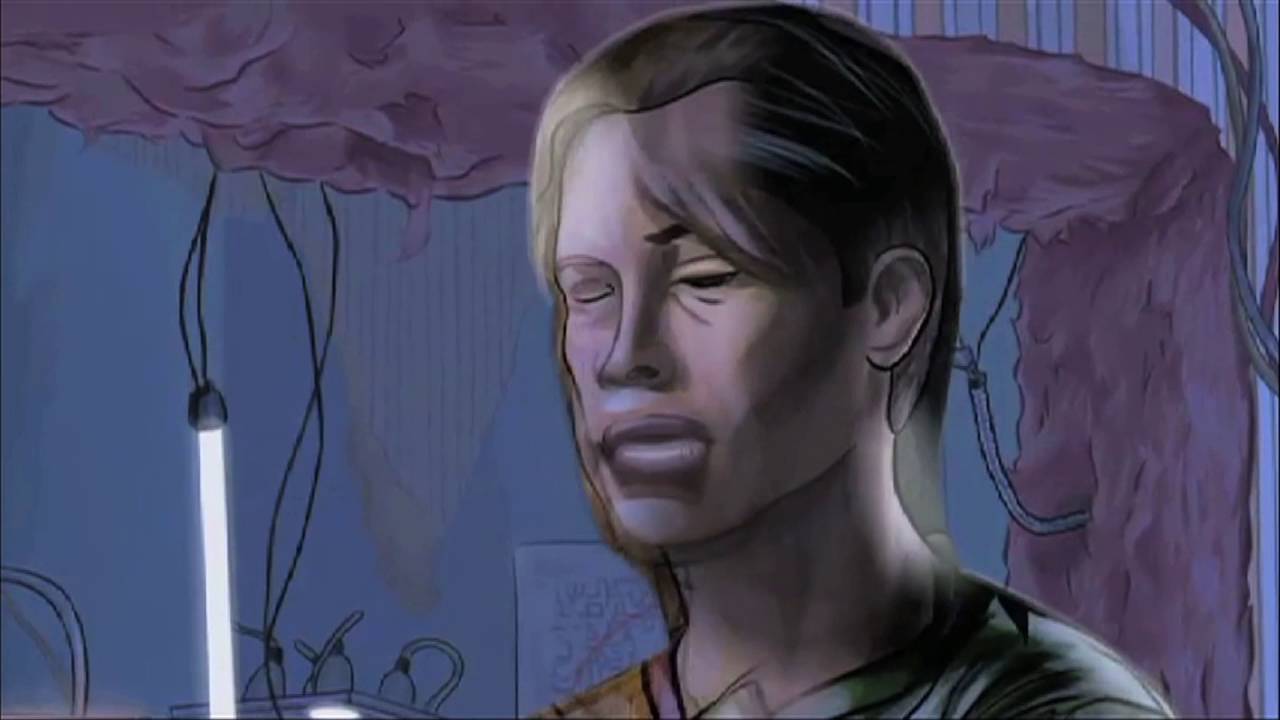
Form and Function: The Use of Rotoscoping in A Scanner Darkly
Автор: Siobhan Cavanagh
Загружено: 2016-05-27
Просмотров: 61094
Form and Function: The Importance of Rotoscoping in A Scanner Darkly
by Siobhan Cavanagh
Abstract
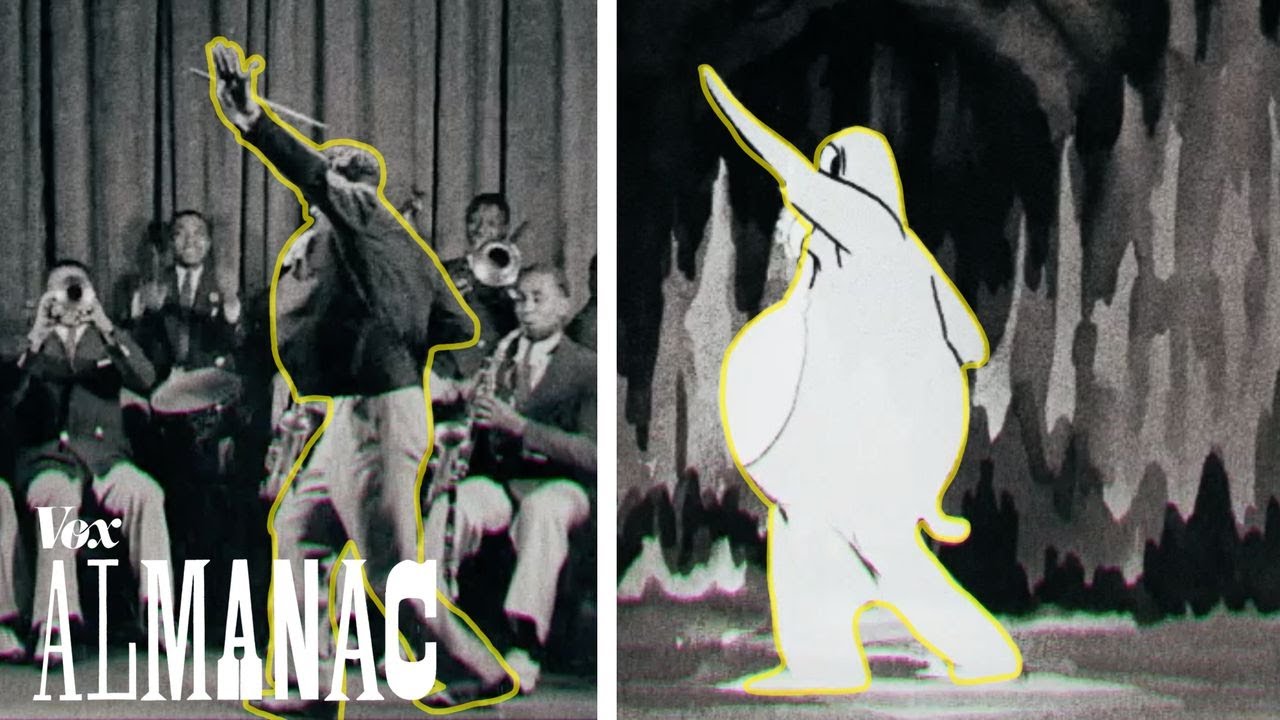
In this video essay, I will explore how a filmmaking technique can be used to accentuate major thematic elements of a film as well as to situate it within the Science Fiction genre. I will explore how the use of rotoscoping in the film illustrates themes of identity and surveillance that are central to the film. It does this by presenting one reality (the rotoscoped image) while still referencing another(the live action base). To discuss the film’s relationship to genre, I will explore the theories of Darko Suvin and Rick Altman Suvin qualifies the major distinguishing factor of Science Fiction as cognitive estrangement. This quality is often thought of in terms of content, however Richard Linklater’s film adaptation of A Scanner Darkly, creates cognitive estrangement both in its content and its form. A Scanner Darkly is as an example of a film that uses rotoscoping to create an estrangement for the viewer by physically removing them from the empirical image. Simultaneously this technique retains a cognitive quality because it is an extrapolation of latent possibilities in the empirical environment. I will also explore form and genre convention, by illustrating how rotoscoping adds semantic and syntactic elements of science fiction as outlined by Altman. The main goal for this video essay is to show how not only content, but also form can situate a film within the science fiction genre.
Keywords
Linklater, Richard . Rotoscoping . Cognitive Estrangement . Semantic/Syntactic Genre Approach . Design for Screen Science Fiction
Доступные форматы для скачивания:
Скачать видео mp4
-
Информация по загрузке: