Four Days in a Burning Hell | Great Fire of London | Human Voiced, No Ads
Автор: ASMR Historian
Загружено: 2024-10-05
Просмотров: 10405
Join this channel to get access to perks:
/ @asmr_historian
Check out my Patreon for Ad Free Viewing:
/ asmrhistorian
Merch:
https://histmerch.shop/
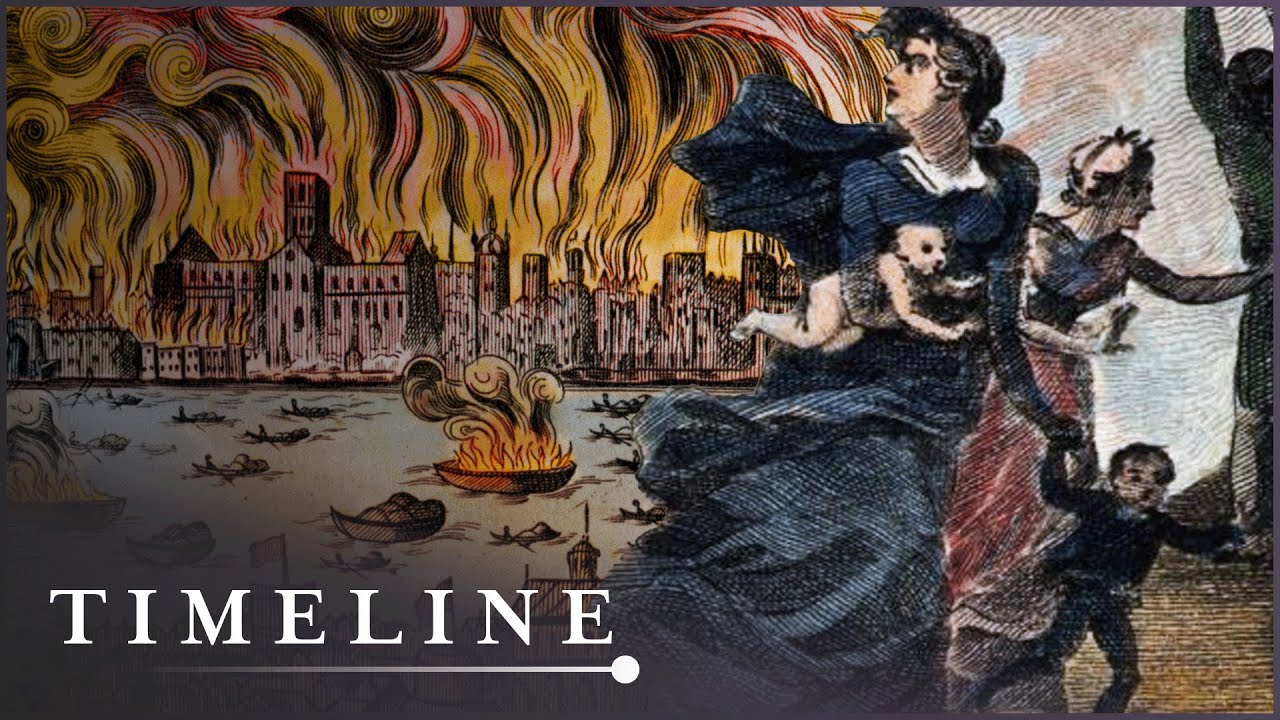
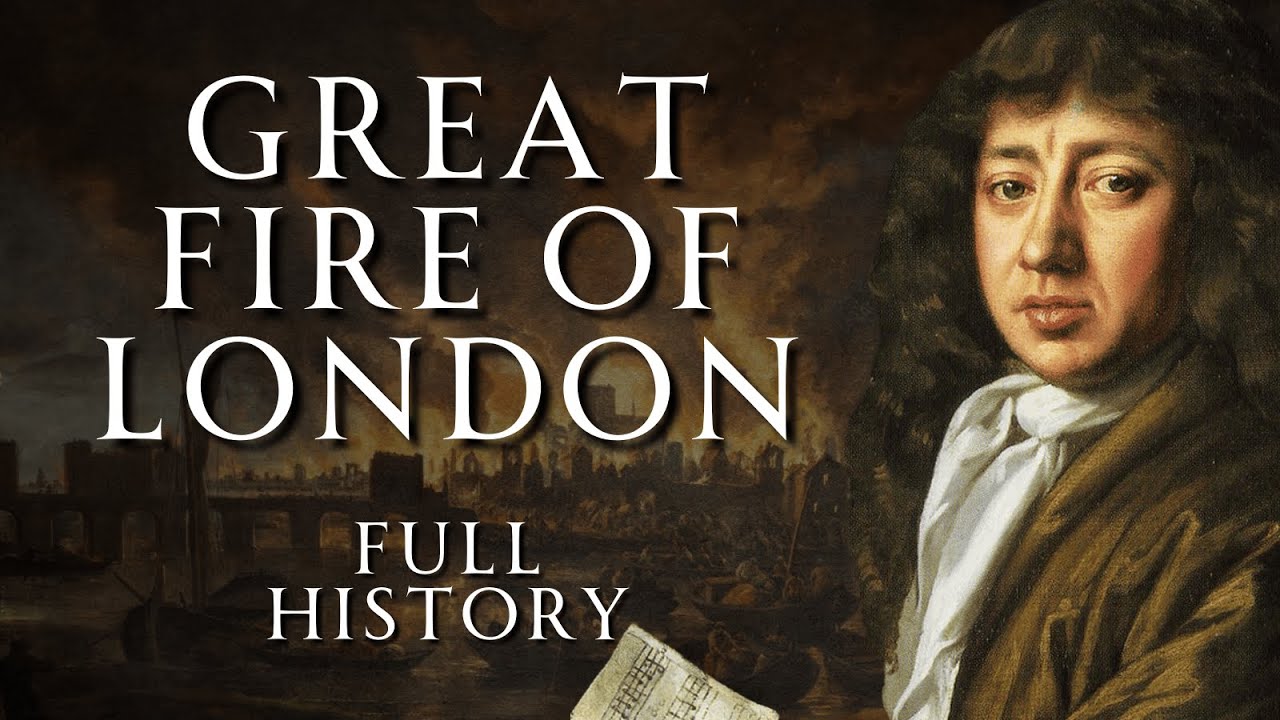
Explore the Great Fire of London, a catastrophic event that reshaped the city both physically and historically. Beginning on September 2, 1666, and lasting four days, the fire consumed much of the medieval City of London, including thousands of homes, many official buildings, and numerous landmarks.
Origins and Spread: The fire started in the early hours at a bakery owned by Thomas Farriner on Pudding Lane. Due to wooden buildings, narrow streets, and dry, windy conditions that summer, the flames spread rapidly throughout the city. Efforts to create firebreaks by demolishing adjacent houses were insufficient to stop the rapid spread, facilitated by the wind and the city's layout.
Impact and Devastation: The fire destroyed about 13,200 houses, 87 parish churches, and significant buildings like St. Paul’s Cathedral. Officially, few deaths were recorded, but the actual number is likely higher and under-reported, especially among the lower classes. The economic impact was profound, leaving approximately 70,000 of the city's 80,000 residents homeless.
Response and Management: King Charles II and his brother, James, Duke of York, actively participated in the firefighting efforts, including the demolition of homes to halt the fire’s advance. The lack of an organized fire brigade meant that firefighting techniques were rudimentary, relying on bucket chains, hooks (to pull down buildings), and simple water-squirting devices.
Reconstruction and Changes: Following the fire, London underwent extensive reconstruction led by figures such as Christopher Wren. This period allowed for the modernization of the city’s medieval street plan into a more orderly grid system, although economic pressures and property rights issues led to a layout that closely followed ancient routes. New regulations mandated the use of brick and stone instead of timber, enhancing fire resistance.
Historical Significance: The Great Fire of London significantly influenced the development of building regulations and urban planning, impacting how cities worldwide considered fire safety and city design. It also led to the creation of the first insurance companies to manage fire risk.
Legacy: The fire remains a pivotal moment in London's history, symbolizing both destruction and subsequent renewal. Commemorative monuments, such as the Monument to the Great Fire of London designed by Christopher Wren and located near the fire’s origin on Pudding Lane, remind us of the city’s resilience and recovery.
Explore the history of the Great Fire of London to understand how this disaster led to the transformation of the city, influencing urban landscapes and fire management practices globally. The story of the Great Fire is a testament to London’s enduring spirit and its capacity to rise anew from the ashes of calamity.
#london #englishhistory #historyfacts #asmr
Information sourced from Wiki, Gutenburg, JSTOR, primary and secondary sources. All information is congruent with archaeological and history evidence at the time of recording.
Доступные форматы для скачивания:
Скачать видео mp4
-
Информация по загрузке: