Food Literacy Center: Teaching Kids to Cook, Eat Healthy, and Thrive
Автор: The Non Profit Podcast Network
Загружено: 2026-01-14
Просмотров: 15
#nonprofit #nonprofitorganization #food #foodinsecurity #literacy #healthy #healthyeating #nutrition #vegetables #education #school #farmersmarket #cooking #childhood #obesity #community #podcast
Episode Chapters
00:00 – Why Food Literacy Matters for Kids’ Health
03:12 – How Food Literacy Center Began in Sacramento
07:45 – Childhood Obesity, Hunger, and the Food System Gap
14:30 – Teaching Kids to Cook: What Actually Works
22:10 – From Classroom to Home: Changing Family Habits
31:40 – Measuring Impact: What the Data Shows
39:05 – Scaling the Model: Schools, Funding, and Growth
48:20 – The Future of Food Literacy (And How to Help)
Imagine a 13-year-old overweight and pre-diabetic student who grew up surrounded by food but lacked proper food literacy. Vegetables and cooking seemed unfamiliar. Then, she joined a school food literacy program and discovered she enjoyed certain fruits and vegetables. She learned how to prepare them, leading to improved eating habits, health, and eventually, medication-free life. Her family followed her lead, as food literacy benefits everyone.
With food literacy, stories like this aren’t hypothetical. They’re happening.
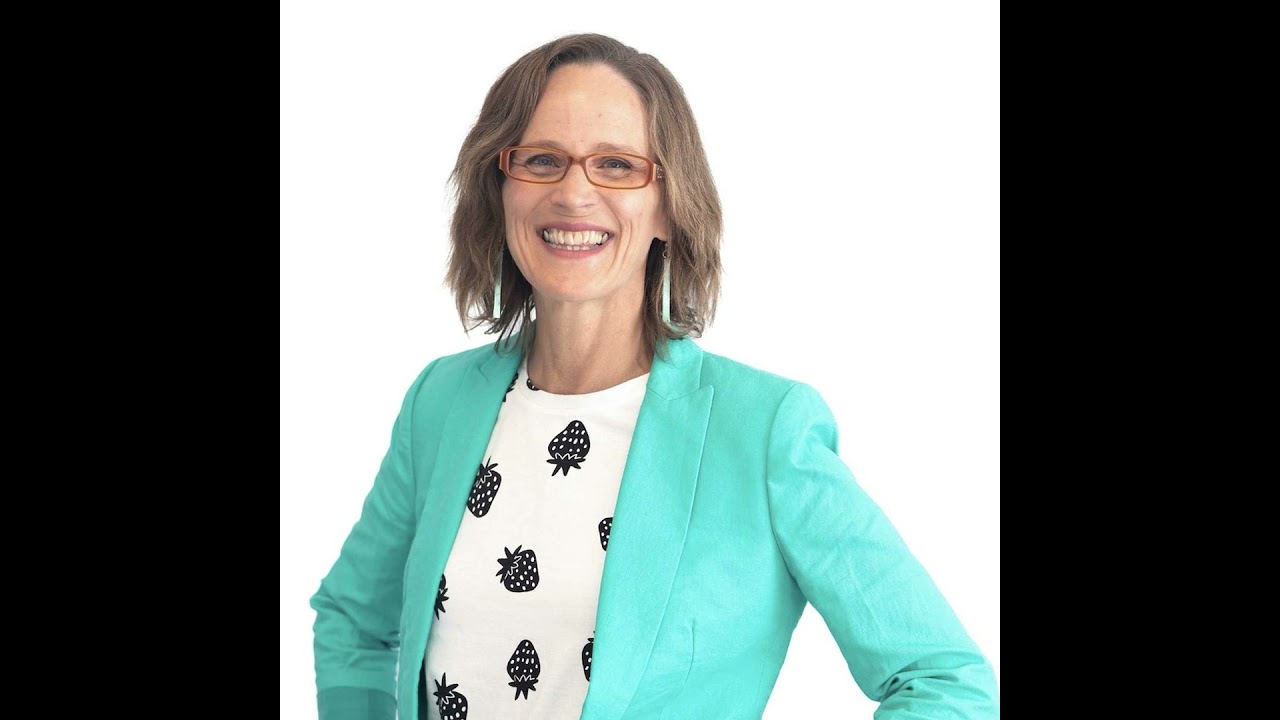
In this episode, I speak with Amber Stott, Founder and CEO—and proudly titled Chief Food Genius—of the @foodliteracycenter1751 Food Literacy Center. We talk about childhood obesity, food insecurity, and why teaching kids how to cook may be one of the most effective long-term health interventions we have.
Why This Matters
• Nearly 40% of children in the Sacramento region are considered obese.
• Many of these children also experience food insecurity.
• The prevalence of cheap, calorie-dense food and a lack of basic food education contribute to diet-related diseases at younger ages.
• Once unhealthy habits are formed, they can be difficult to break.
• However, children do not have established habits yet, making it possible to make a difference with the right programs.
• The Food Literacy Center focuses on prevention, rather than correction, by building healthy behaviors early on when they are most likely to stick.
What You’ll Hear in This Episode
• Hunger and obesity often exist side by side.
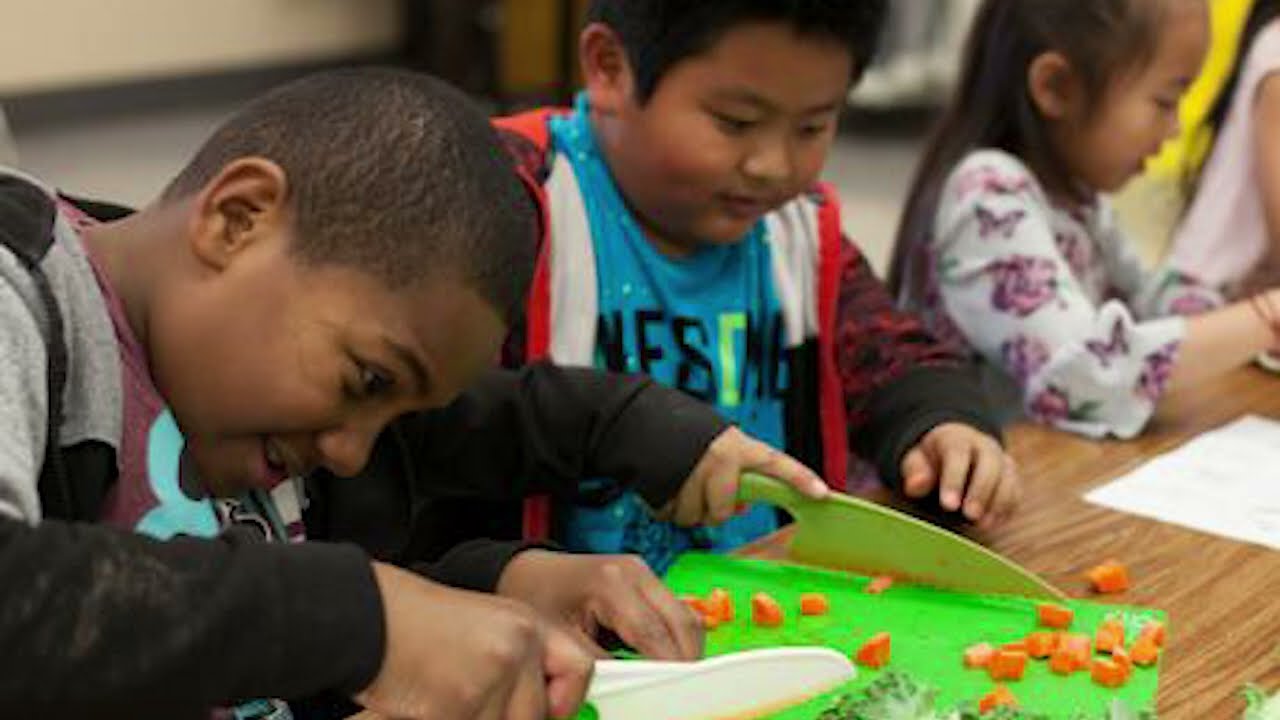
• Hands-on cooking changes kids’ attitudes toward food.
• 94% of students in the program try new fruits and vegetables.
• Behavior change happens at school and carries home.
• Scaling impact without losing quality requires certain factors.
• Adults consistently underestimate what kids are willing to try.
By the Numbers
40% – Childhood obesity rate in the Sacramento region
94% – Students who try new fruits or vegetables in the program
75% – Students who ask for those foods at home
23 schools – Current reach, with plans to double by 2027
$160 per child – Cost of prevention versus far higher long-term health costs
Who This Episode Is For
• Nonprofit leaders focused on prevention and early intervention
• Educators and school administrators
• Funders interested in scalable, evidence-based programs
• Anyone concerned about childhood health, food access, and equity
Find out more about the Food Literacy Center by visiting their website: FoodLiteracyCenter.org
Thank you so much for listening to this nonprofit story! We appreciate you. Please visit the website to sign up for our email updates and newsletter. https://www.nonprofpod.com/ And if you like, leave me a voicemail to comment on the program, leave a question for us to ask in the future or a message for me, Jeff Holden. I may even use your voice mail message in a future episode of one of our incredible local nonprofit organizations. https://www.nonprofpod.com/voicemail. Thanks again for your support in listening, commenting and sharing the great work our local nonprofits are accomplishing.
Доступные форматы для скачивания:
Скачать видео mp4
-
Информация по загрузке: