The Historical Background of the Yiquan, Zhan Zhuang Lineage, and Memorial of Master Yu Yong Nian.
Автор: Taikiken Pages
Загружено: 2025-01-22
Просмотров: 1451
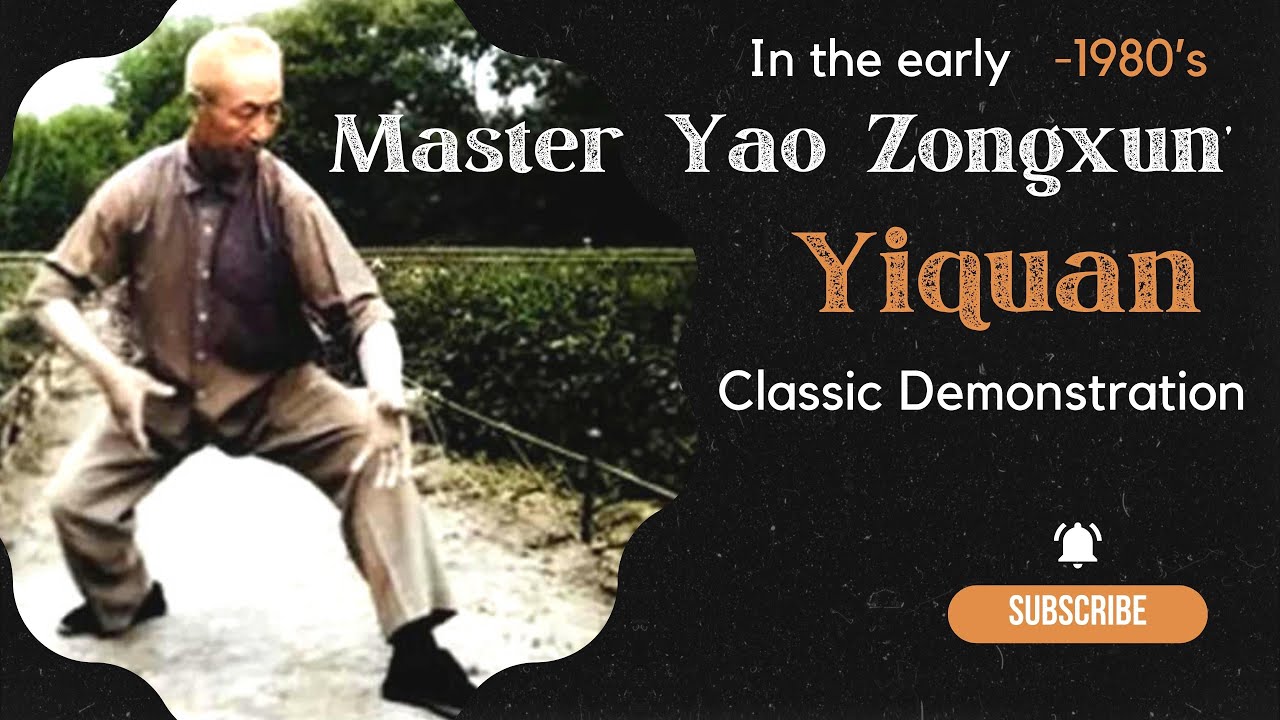
To understand Master Yu Yong Nian’s role in shaping the art, it’s important to look back at the early 1900s, when Yiquan’s founder, Wang Xiangzhai, introduced a revolutionary perspective to Chinese martial arts. Trained in Xingyiquan, Wang had grown disenchanted with the complexity of traditional forms and sought to distill combat training to its essence. He wanted to focus on generating true power, rather than simply perfecting choreography. Thus, Yiquan was born—its name literally translates to “intention boxing,” emphasizing the mental and energetic elements at play. Wang Xiangzhai’s emphasis on Zhan Zhuang was nothing short of groundbreaking. Instead of practicing long sequences, students were encouraged to stand in various postures, cultivating a deep sense of alignment, tension, and release in the body. Over time, these postures condition the muscles and fascia while teaching the practitioner to direct energy throughout the body. Despite its quiet appearance, Zhan Zhuang turned out to be a powerhouse training method, and it quickly drew a committed following of martial artists looking to refine their internal strength.
Zhan Zhuang is often described as “standing like a tree,” but a more accurate description might be “standing like a live wire.” The stance is dynamic, demanding constant micro-adjustments that reveal imbalances in posture and mindset. The arms may be held in front, like cradling a large sphere, or at times placed at the sides. Even subtle changes in arm or foot positioning can drastically alter the experience. Beginners might find their thighs shaking, their backs sore, and their minds racing. However, through perseverance, they discover the secret of Yiquan: alignment brings relaxation, and relaxation unleashes power. As the skeleton aligns and the mind settles, the body can access a level of integrity that enhances both health and martial ability.
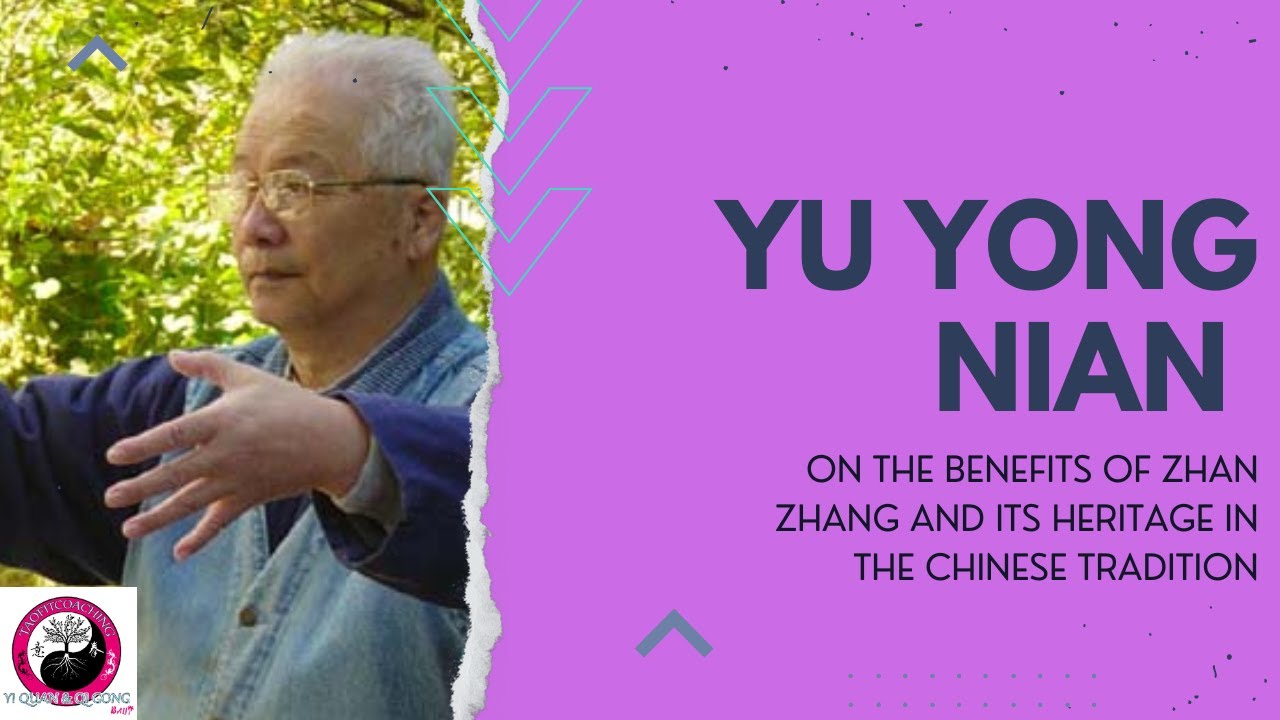
Among the dedicated practitioners who embraced Wang Xiangzhai’s methods, Master Yu Yong Nian stood out for his unwavering commitment and scientific curiosity. A trained medical professional, he had a unique lens through which to examine the benefits and mechanics of Zhan Zhuang. In the 1950s, he began an in-depth study of the practice, observing how different postures affected the body’s systems—from circulation to musculoskeletal alignment. For decades, Master Yu dedicated himself to understanding how this seemingly simple form of standing could yield such remarkable results. He engaged in hands-on research, comparing the progress of different practitioners and collaborating with other experts in the martial and medical fields. He wrote extensively about his findings, bringing clarity to a practice that had, until then, largely been taught through oral tradition. His thorough, almost clinical approach helped demystify the art, making it more accessible to a global audience.
Sports fans often appreciate the marriage of raw talent and innovative coaching. Similarly, Master Yu Yong Nian blended the wisdom of traditional Yiquan with modern scientific perspectives. He was convinced that sharing knowledge openly would only help the art evolve, ensuring that more people could benefit from it. While some martial arts communities were guarded about their training secrets, Master Yu believed that transparency would foster greater understanding and preserve the practice for future generations. Thanks to his advocacy, Zhan Zhuang began to find new adherents beyond China’s borders. Martial artists from disciplines like Karate, Taekwondo, and even Western boxing visited Master Yu to learn how standing still could refine their own techniques. Through open seminars, writings, and personal demonstrations, Master Yu showcased how Yiquan’s emphasis on correct structure, intention, and relaxed power could improve health, endurance, and fighting effectiveness.
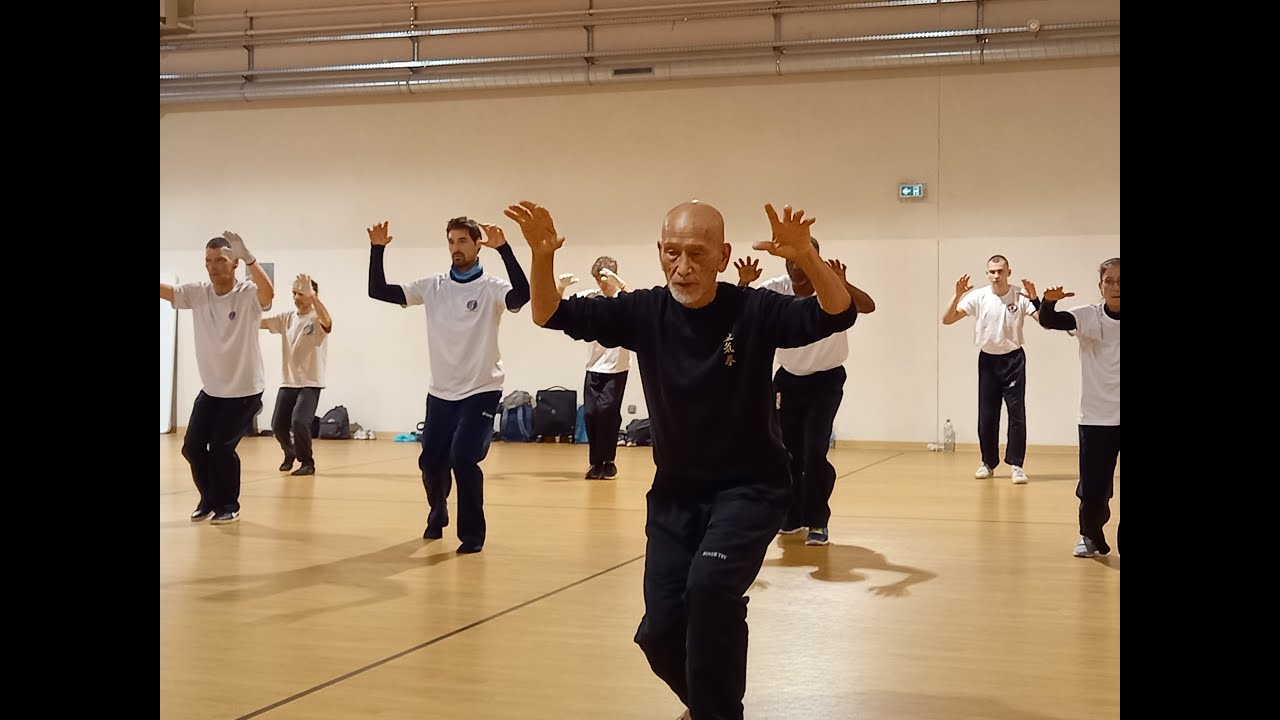
Walk into a contemporary Yiquan class anywhere in the world, and you might see a diverse group of students—some seeking better health, others pursuing inner tranquility, and still others hoping to sharpen their combative edge. That multiplicity of goals stems from the practice’s versatility, a hallmark of Wang Xiangzhai’s vision and Master Yu’s scholarly work. In many cases, Yiquan principles align beautifully with other disciplines. Track and field athletes might incorporate standing postures for improved alignment and explosive power. Mixed martial artists might use it to refine their stance and enhance mental focus. Even those recovering from injuries can find the gentle yet focused nature of Zhan Zhuang supportive in rehabilitation. Master Yu Yong Nian’s lifelong mission to highlight the adaptability of Yiquan is now evident in the countless practitioners who integrate it into their training regimens worldwide.

Доступные форматы для скачивания:
Скачать видео mp4
-
Информация по загрузке: