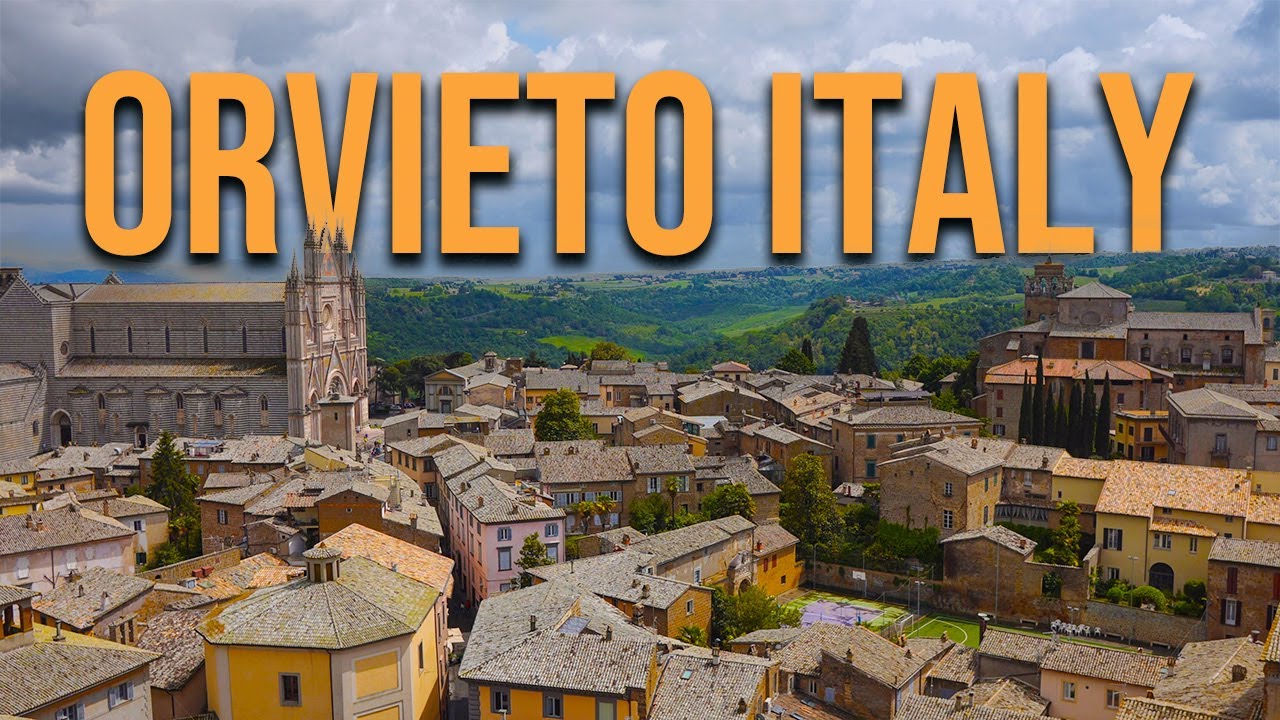
The Duomo, Orvieto Umbria ENG - Orvietoviva.com
Автор: Orvietoviva
Загружено: 2014-03-07
Просмотров: 11855
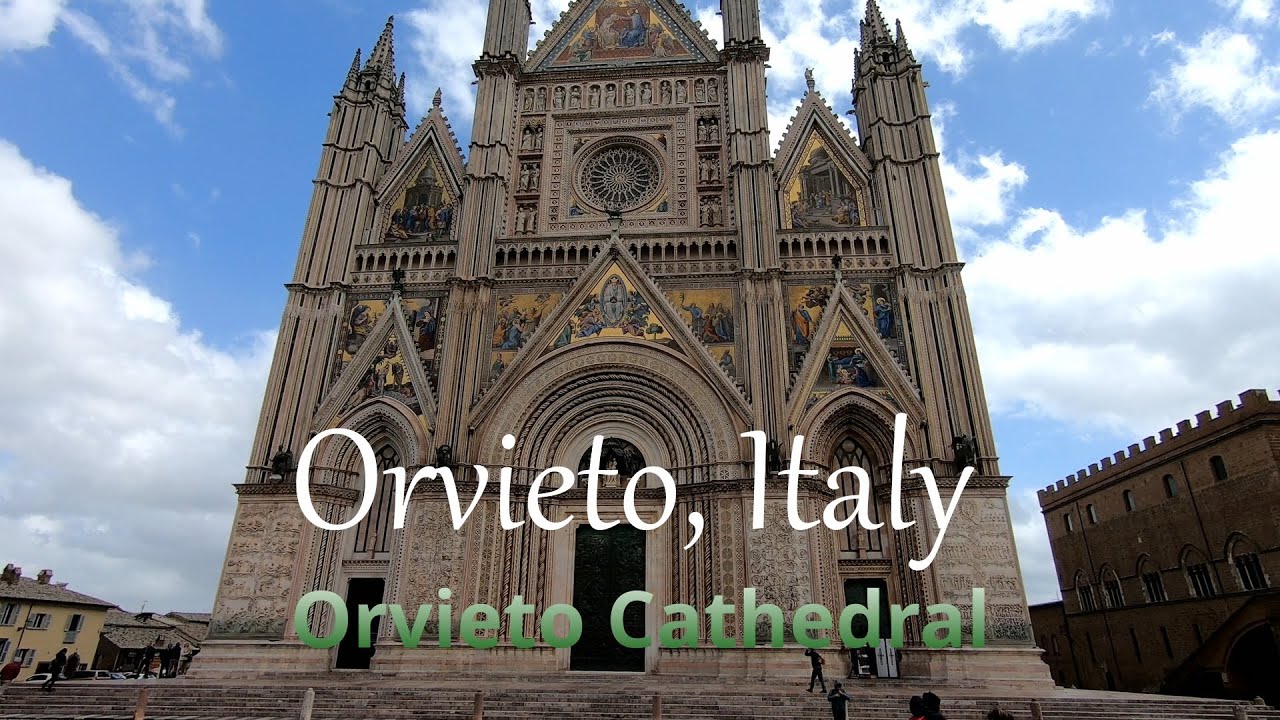
The Duomo of Orvieto is the main church and symbol of the city, as well as one of the most striking and gorgeous cathedrals in Italy and the World. Its construction began in 1290, under direction of both of the Commune and the Pope. The main purpose was to build a large unique cathedral dedicated to Santa Maria Assunta in Cielo (Saint Mary), that could replace the two original churches in the square.
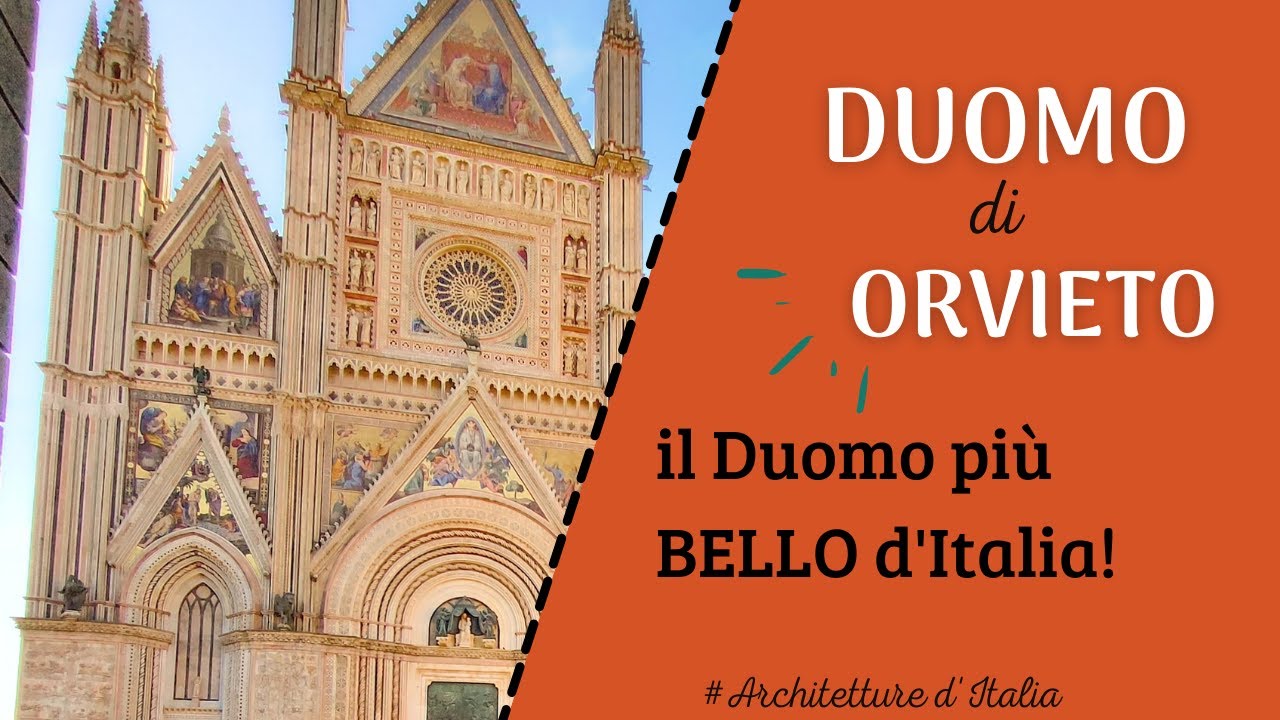
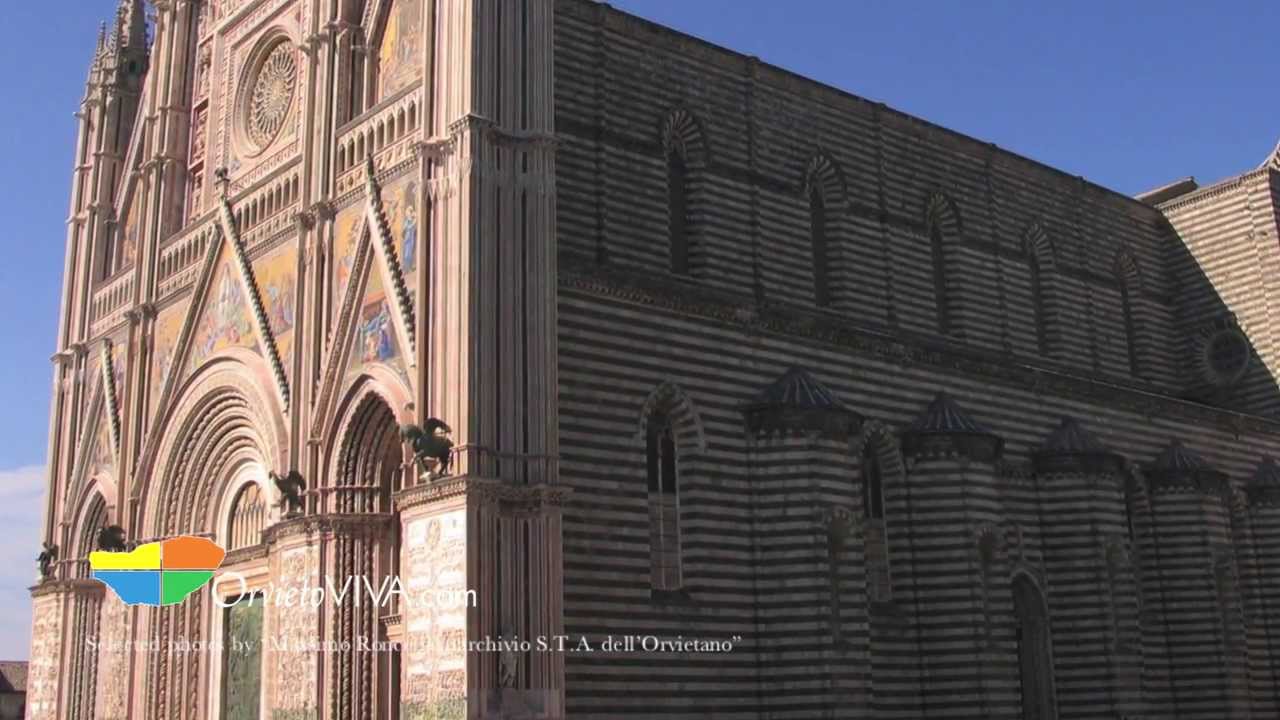
The Duomo is a magnificent building architecturally defined as a "unique example of Gothic and Romanesque styles mixed."
Its façade is one of its most impressive features, with 4 spiers that lay on 4 large bas-reliefs, each representing scenes from the Bible (Old Testament, New Testament, and Judgment Day).
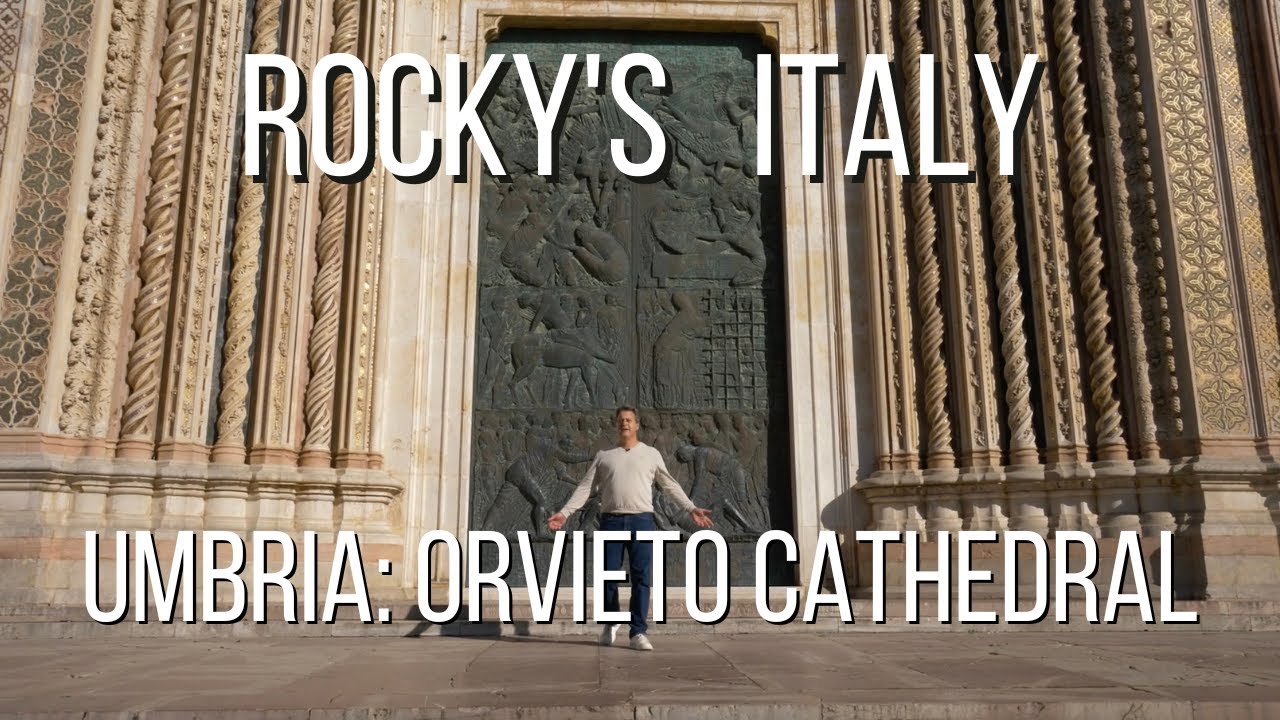
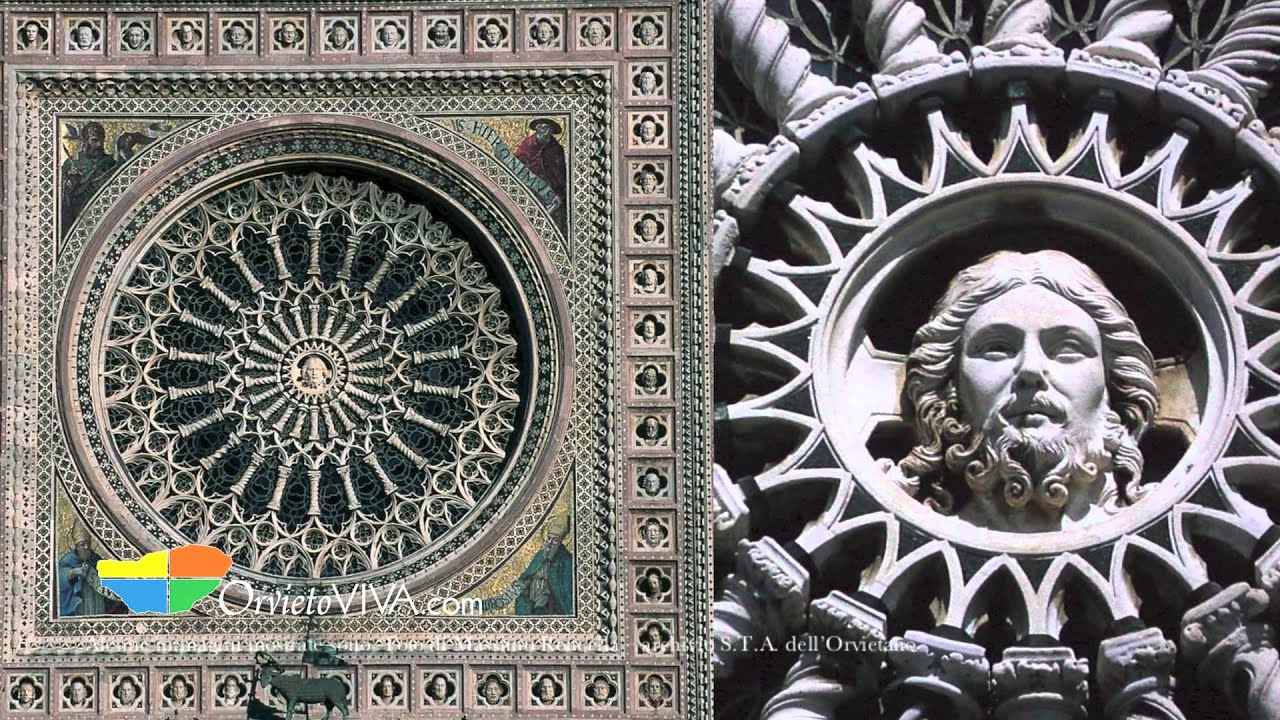
The three enormous bronze doors, were created by the Sicilian sculptor Emilio Greco. In 1970 these doors replaced the original wooden ones, in order to avoi complete deterioration. Other important elements of the façade are the Canopy, dedicated to the Virgin Mary and placed on top of the main entrance, and the bronze statues representing the 4 Evangelists: the Angel (Saint Matthew), the Lion (Saint Mark), the Eagle (Saint John), the Bull (Saint Luke). The wonderful mosaics, are dedicated to Mary. They tell the story and life scenes of the Virgin, starting from the Assumption to the Nativity and Coronation. A central element of the Duomo façade is the rose window, designed by Andrea di Cione, also called Orcagna. It is composed of two rows of columns with crossed arches, and in the middle is the face of Jesus Christ.
Arnolfo di Cambio and Lorenzo Maitani, important artists of their time, joined efforts for the general design of the Duomo, along with several other sculptors, goldsmiths and painter for its embellishment and finishing.
Among the sculptors was Ippolito Scalza, a local architect who had already designed several buildings in Orvieto, including the Town Hall Palace. Great painters such as Gentile da Fabriano, Beato Angelico, Ugolino di Prete Ilario and Luca Signorelli contributed to the interior frescos. Luca Signorelli painted the two amazing chapels "Corporale" and "San Brizio."
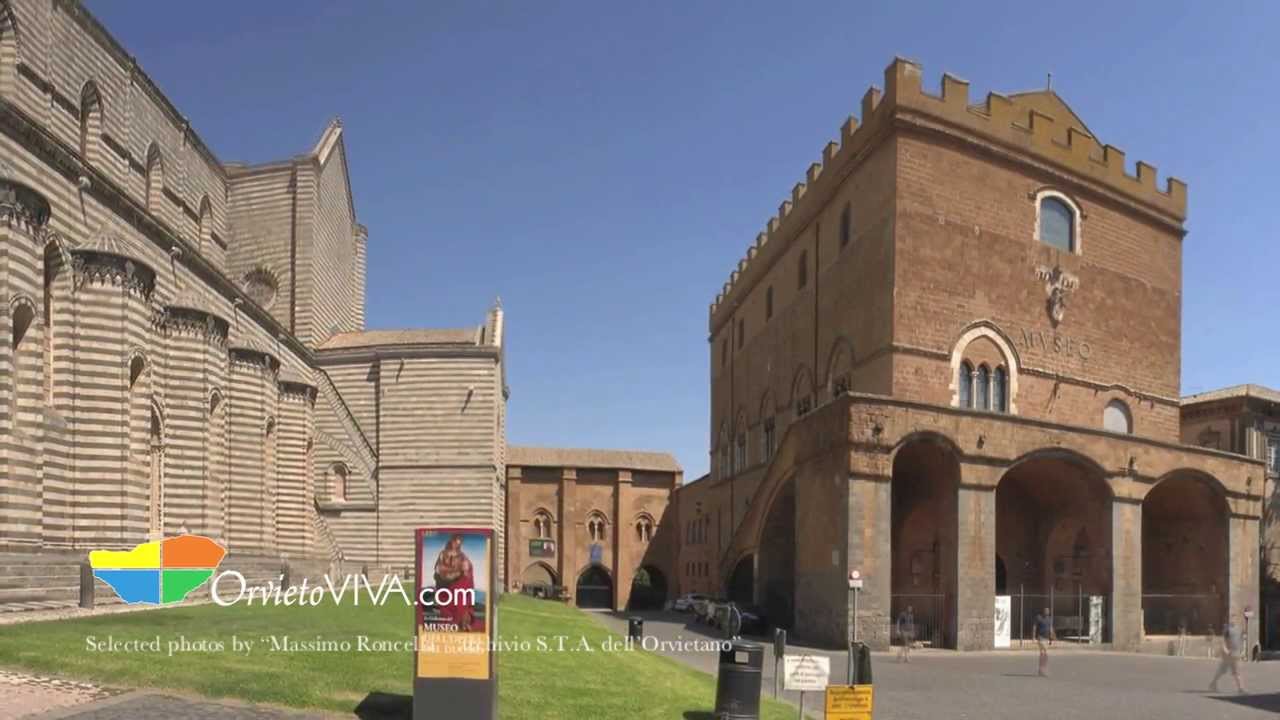
Another building that is directly connected to the Duomo is the Tower of Maurizio, located in the Duomo square, right at the beginning of Via Duomo. On top of its short tower is an automated bronze statue that is still functioning who "beats the hours" by hitting a large bell with a hammer. The tower is equipped with a "ariologium de muricio", which means wall clock. It was meant to provide the duomo construction workers the work schedule, while they were building the Duomo. The popular name given to the tower (Maurizio) seems to come from an evolution of the word "muricio."
Many original documents and papers about the phases of the Duomo construction, are kept and displayed in the Opera del Duomo Museum.
Доступные форматы для скачивания:
Скачать видео mp4
-
Информация по загрузке: