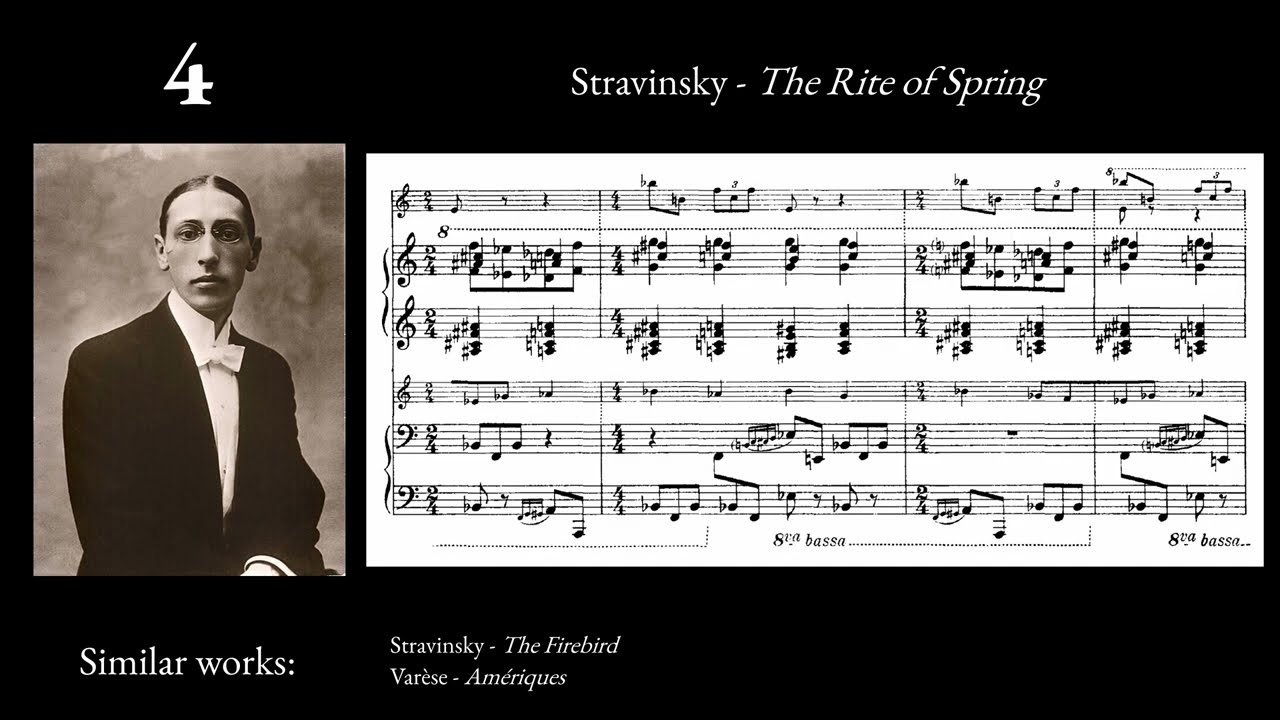
It's aboslutely the peak of romanticism
Автор: Melonica90
Загружено: 2025-04-21
Просмотров: 98255
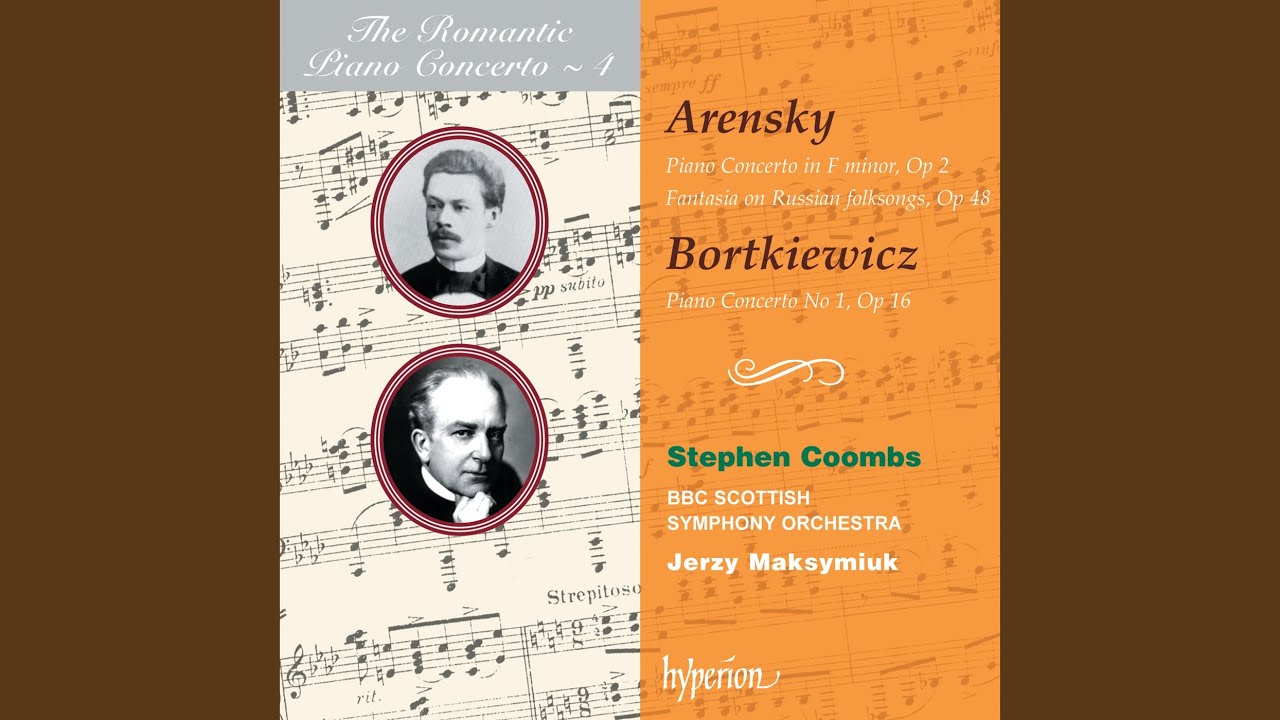
Sergei Eduardovich Bortkiewicz (28 February 1877 [O.S. 16 February] – 25 October 1952) was a Romantic composer and pianist. He moved to Vienna in 1922 and became a naturalized Austrian citizen in 1926.
Sergei Eduardovich Bortkiewicz was born in Kharkov (Kharkiv), Russian Empire (now Ukraine), on 28 February 1877 to parents Edward and Zofia (née Uszyńska) Bortkiewicz, who were Polish nobility. He spent most of his childhood on the family estate of Artiomovka, near Kharkov. Bortkiewicz received his musical training from Anatoly Lyadov and Karl von Arek at the Imperial Conservatory of Music in Saint Petersburg.
In 1900 he left Saint Petersburg and travelled to Leipzig, where he became a student of Alfred Reisenauer and Salomon Jadassohn, both pupils of Franz Liszt. In July 1902, Bortkiewicz completed his studies at the Leipzig Conservatory and was awarded the Schumann Prize on graduation. On his return to the Russian Empire in 1904, he married Elisabeth Geraklitowa, a friend of his sister, and then returned to Germany, where he settled in Berlin. It was there that he started to compose seriously.
From 1904 until 1914, Bortkiewicz continued to live in Berlin but spent his summers visiting his family or travelling around Europe on concert tours. For a year he also taught at the Klindworth-Scharwenka Conservatory. There he met the Dutch pianist Hugo van Dalen, who became a lifelong friend. Van Dalen premiered Bortkiewicz's Piano Concerto No. 1, Op. 16, in November 1913 in Berlin with the Blüthner Orchestra conducted by the composer. It was the greatest success of Bortkiewicz's early period.
《 Wikipedia 》
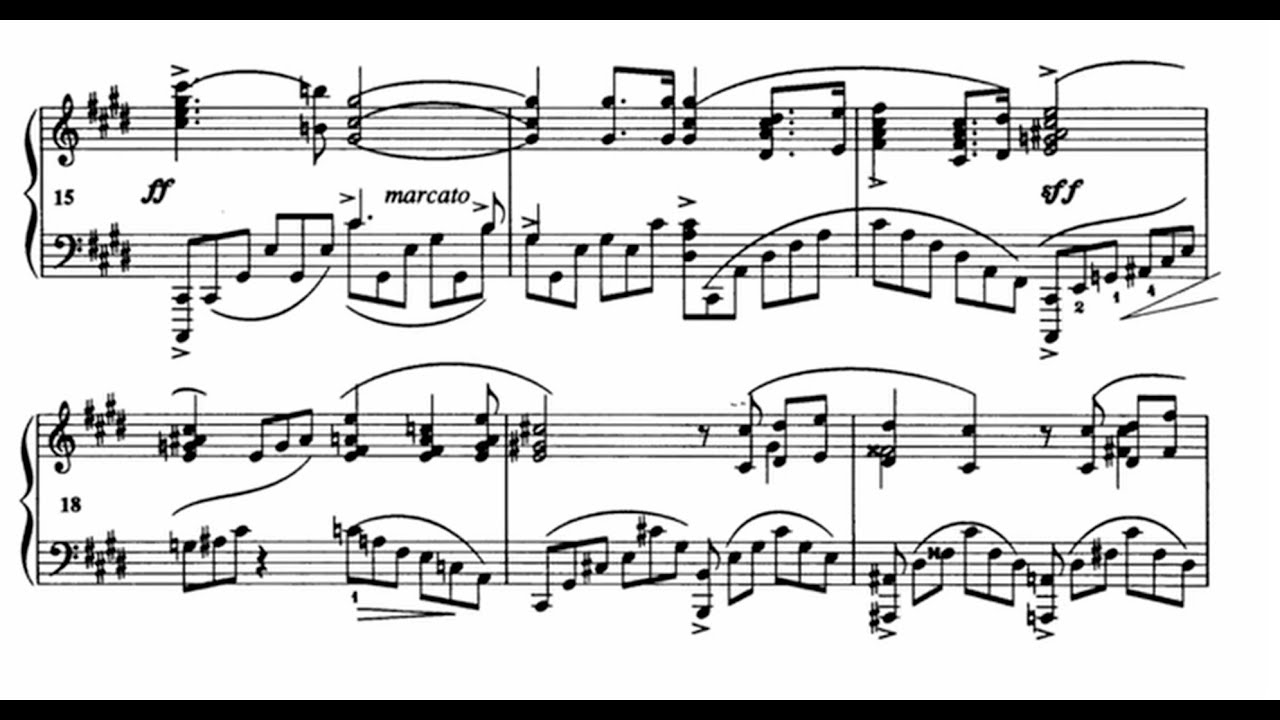
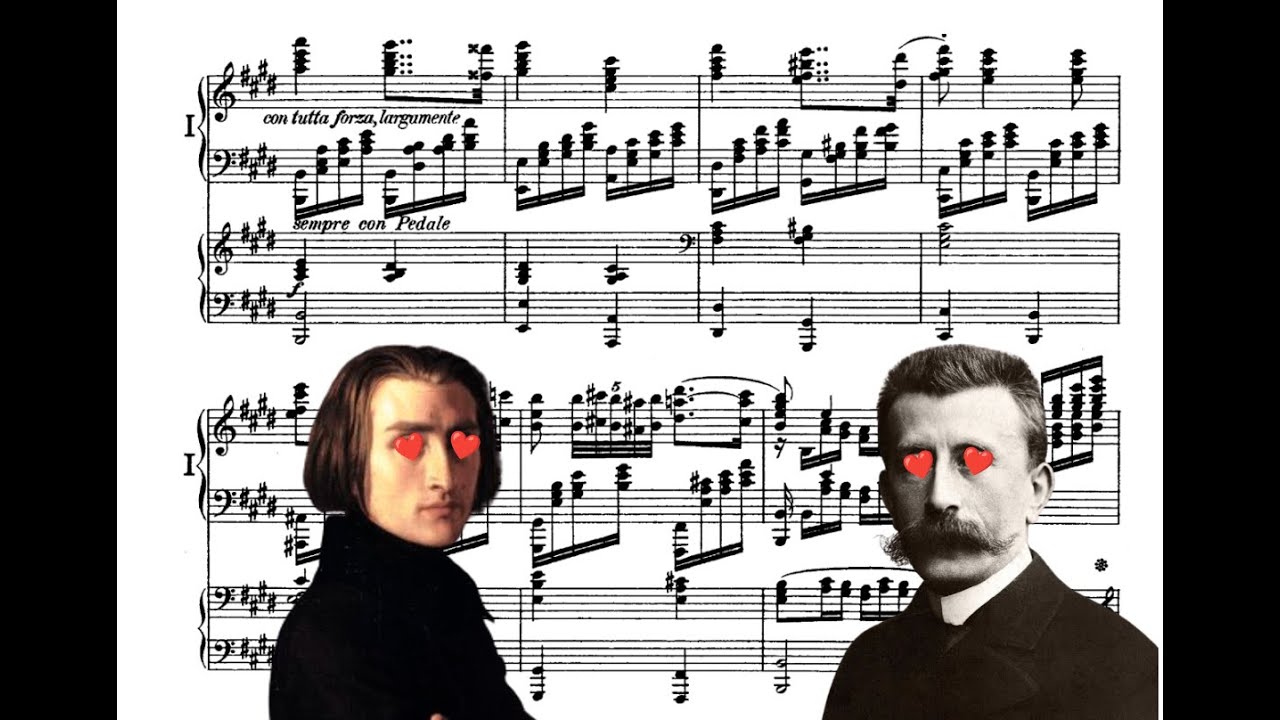
Excerpt from the 1st movement of "Piano Concerto No.1 in a B-flat major" Op.16 by Sergei Bortkiewicz.
No explaination is needed, just listen and welcome to the new world!
Orchesta - Odessa Philharmonic
Olga Shadrina - piano
Mykola Sukach - conductor

Доступные форматы для скачивания:
Скачать видео mp4
-
Информация по загрузке:
![Bortkiewicz - Piano Concerto No. 1, Op. 16 (Shadrina, Sukach) [Christmas Special No. 4]](https://imager.clipsaver.ru/sbBrKano384/max.jpg)
![12 Etudes, Op.8 No.12 in D# Minor - Scriabin [Horowitz 1962, 1976 & 1986]](https://imager.clipsaver.ru/wvLhPekjIlg/max.jpg)