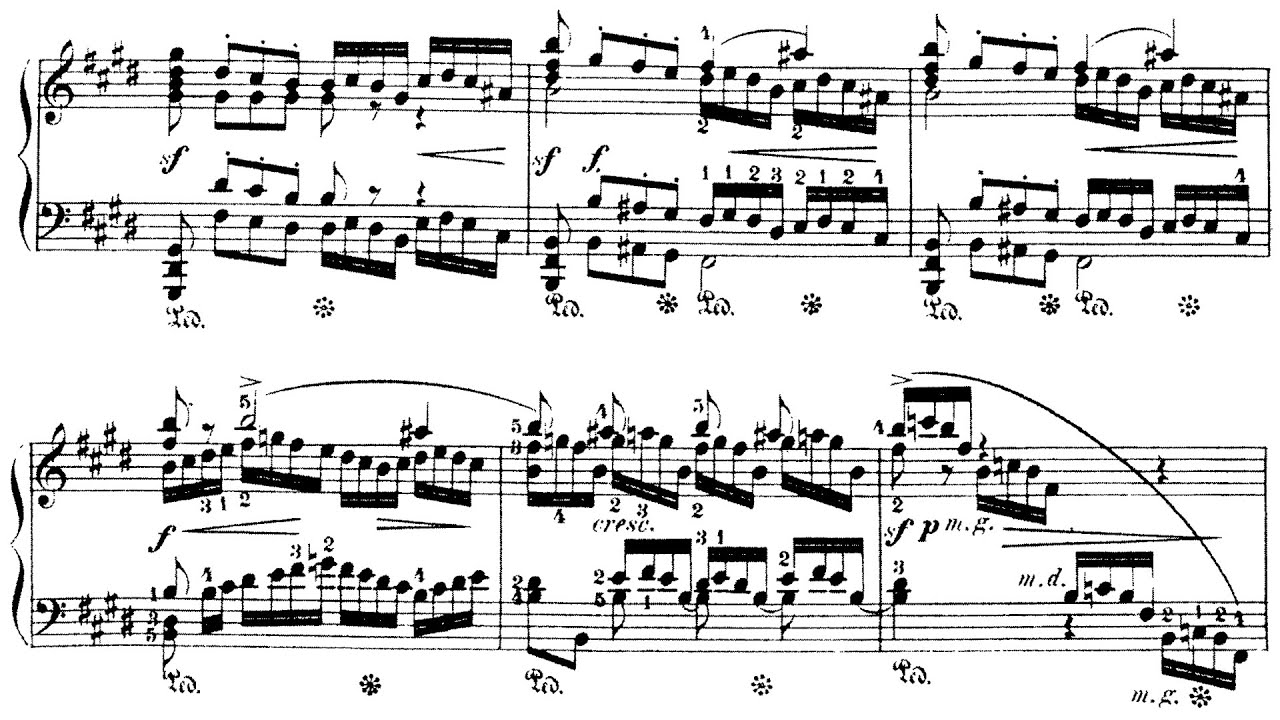
Theodor Leschetizky - Six Meditations Op. 19 (Ritzen)
Автор: Polish Scores
Загружено: 2023-02-11
Просмотров: 2792
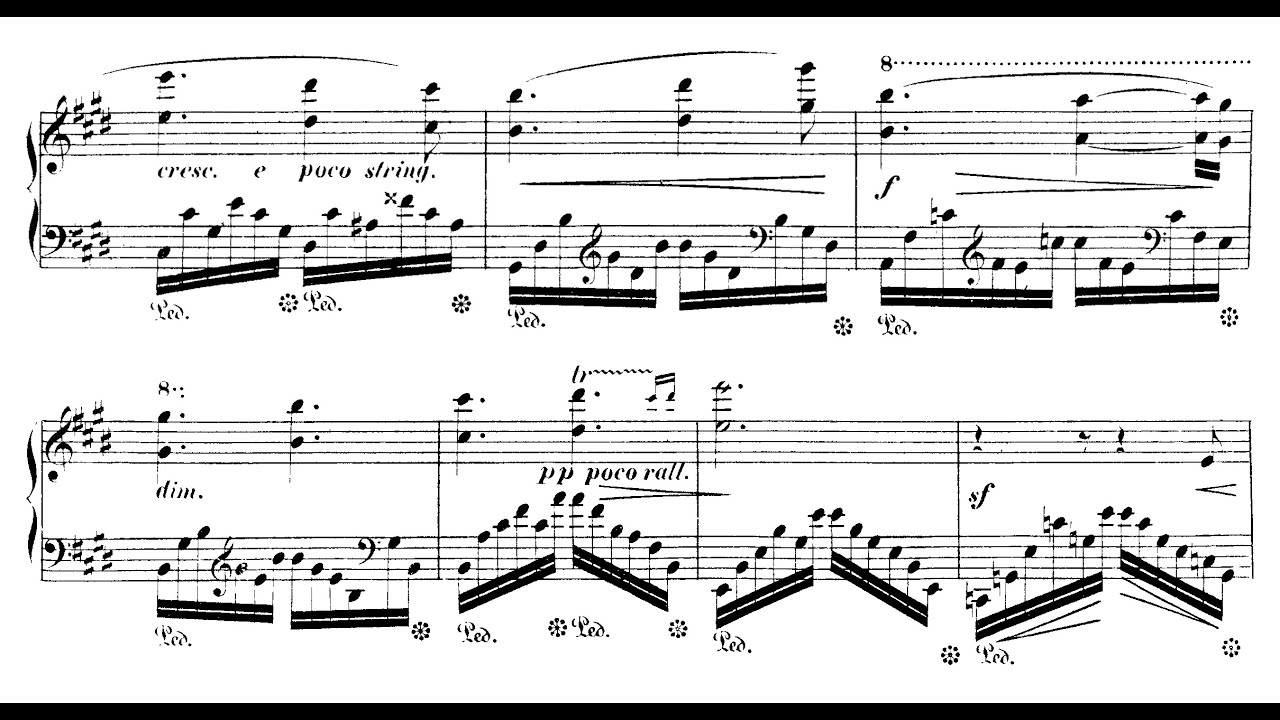
Teodor Leszetycki - Sześć medytacji
Published in 1855
Pianist: Peter Ritzen
0:00 - I. The Melusine / La mélusine
1:40 - II. Answer / Réponse
3:45 - III. The Approach of Spring / L'approche du printemps
5:57 - IV. Berceuse
8:18 - V. Discouragement / Découragement
10:07 - VI. Consolation
Bio
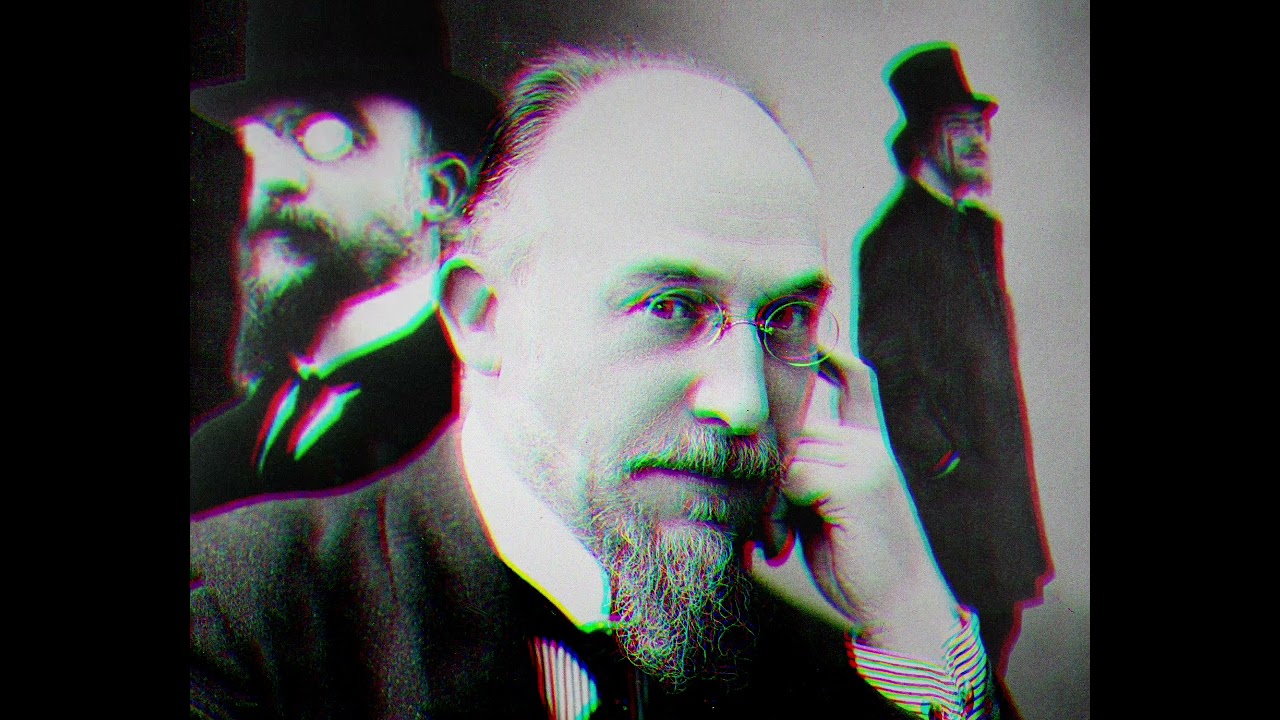
Teodor Leszetycki (1830-1915) is probably most well known for his role as a pedagogue. All across the little blurbs written as programs for the brilliant composers Paderewski and Friedman and all of the biographical notes for the masters Horszowski, Wittgenstein, and Moiseiwitsch one can see the scribble "student of Theodor Leschetizky." Surely, as his pupil Ethel Newcomb relates, his pupils were as his family. He treated them with gentle, patient kindness and was incredibly open to people as they came to him. A significant indicator of his open philosophy was his instructions to Newcomb when she began to assist him in pedagogy to abandon all methodology and let the student's needs speak for himself. Curiously, he was also a proponent of his pupils learning pieces as their main technical development; he saw technical exercises as superfluous to piano playing.
Leszetycki as a teacher is noted for his importance, but Leszetycki as a composer is often overlooked. Having been born in Łańcut at the Potocki estate, he had access to both Polish and German ideas. As if that did not leave his musical formation open enough, he was invited by Anton Rubinstein to teach in St. Petersburg. As we see in Paderewski and, by extension, Stojowski, Leszetycki had a very cosmopolitan compositional approach, himself having absorbed Italian, French, German, Polish, Russian, and Bohemian music. The exposure to this wide variety of music and his own cultivation of knowledge results in technically complex music with an expressive aim and all the charm of the romantic era.
Finally, a little eyecatching detail that one encounters while reading about Leszetycki is his motto. We likely see mottos as cartoonish catchphrases with little meaning in themselves beyond announcing the predilections of the one to whom the motto is tethered. Although Leszetycki's motto "No life without art, no art without life!" can be as shallow as a catchphrase or as deep as one's own introspection about the value of one's own life and the value that art adds to it can go.
Meditations
Leszetycki's meditations are formed on the backbone of romantic-era technique, but like Noskowski, there is more to each of the pieces than the mere technique. Whether it is the deeply introspective Melusine and Consolation or the eager anticipation depicted in the Approach of Spring, Leszetycki dives to the core of his subjects and brings back a description in the unique musical dimension. It is this attention to the subjects that make these pieces so attractive.
Also like in Noskowski's sets, the pieces are arranged to tell a story. A Melusine is a spirit that resembles a human girl but with a serpent or fish's tail and inhabits wells or rivers. Some legends suggest that they try to seduce a man to kiss them and free them from their form but become more monstrous with each kiss. One could easily imagine the hero of this story seeking the council of one such creature during a bitter winter. The answer follows from the encounter and long afterward, spring approaches. At night, the hero reflects on the encounter with disappointment following the many ruminations. Finally, either the encounter bears its fruit (albeit in measure lesser than expected) or the hero finds closure with the disappointment as the bittersweet but caressing consolation runs its course.
Доступные форматы для скачивания:
Скачать видео mp4
-
Информация по загрузке:
![Nikolai Roslavets - 3 Etudes (1914) [Score-Video]](https://imager.clipsaver.ru/pt70Q6_VTto/max.jpg)