Modern Age (1900-1945) | History of Literature | UGC-NET | HPSC | UPPSC
Автор: LitMania:English Literature
Загружено: 2026-01-12
Просмотров: 60
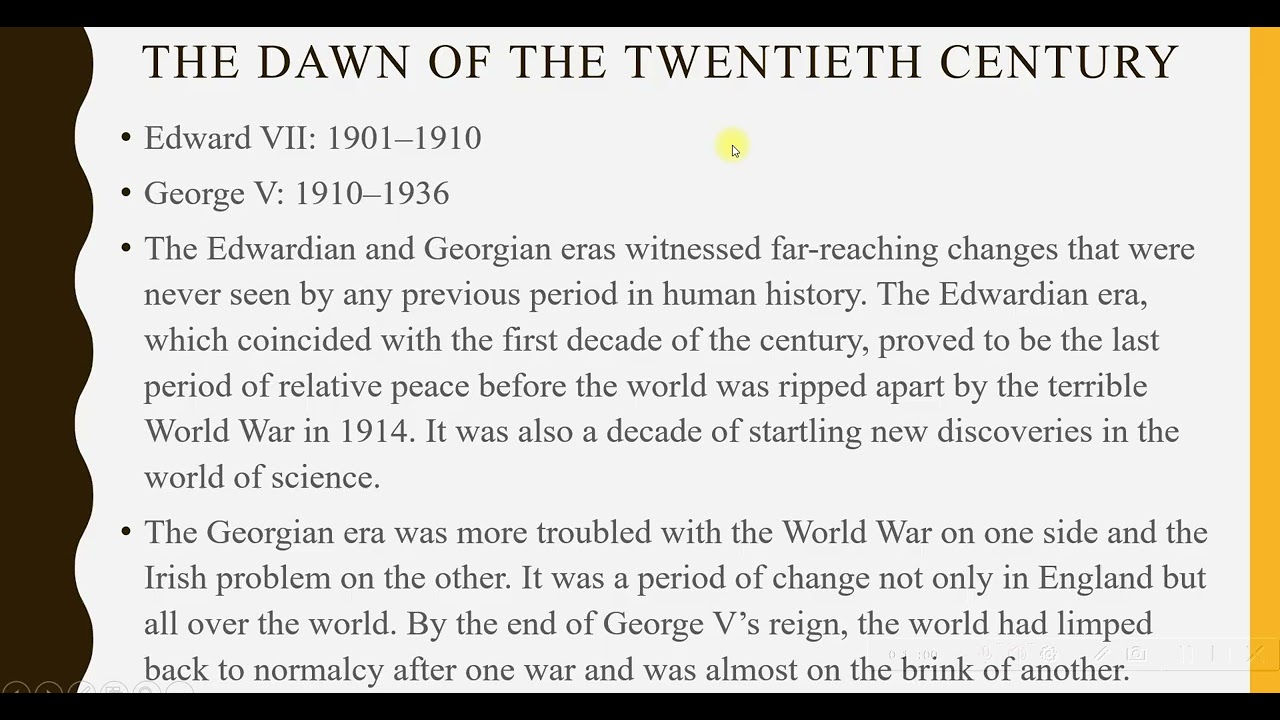
This video explores the Modern Age (1900–1945), a period marked by massive political, social, and literary transformations. Emerging from the end of the Victorian era, this age witnessed the rise of nationalism, democracy, and modernist thought, alongside the gradual collapse of the British Empire. Although Britain entered the twentieth century as a global superpower, cracks in imperial confidence appeared after events like the Boer War and intensified during the First World War.
The early twentieth century, shaped by the Edwardian and Georgian eras, saw rapid scientific discoveries, social reforms, and unprecedented global conflict. World War I shattered faith in European civilisation, altered class structures, and accelerated women’s demands for political and economic equality. Between the two World Wars, Britain faced economic depression, labour unrest, and the Irish independence struggle, while new ideologies such as fascism, socialism, and communism gained ground.
Culturally, this period gave birth to Modernism. Writers and artists rejected traditional forms to express fragmentation, uncertainty, and psychological depth. Influenced by Freud, modernist literature experimented with stream of consciousness, free verse, and mythic structures. Movements like Bloomsbury, Imagism, and the Irish Literary Renaissance, along with figures such as Virginia Woolf, Wilfred Owen, and Ezra Pound, redefined literature, making the Modern Age one of radical innovation and enduring influence.
Доступные форматы для скачивания:
Скачать видео mp4
-
Информация по загрузке: