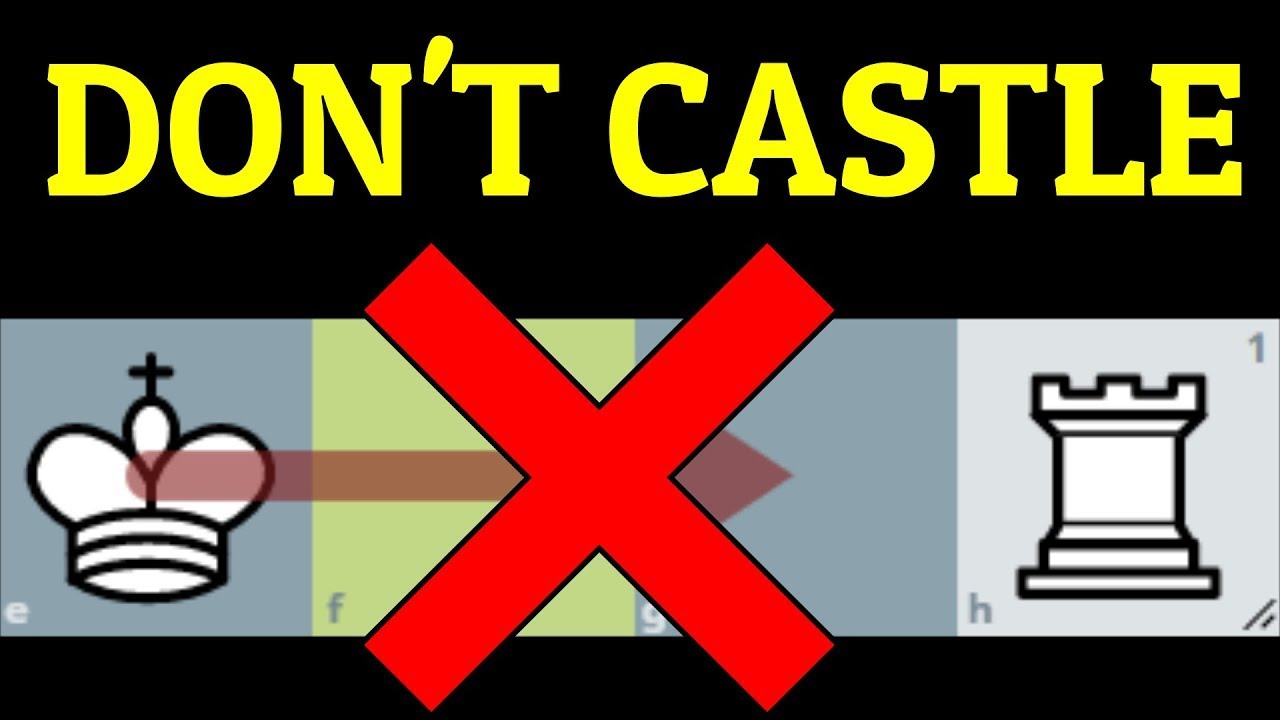
4 Times You Should NOT Castle in Chess!
Автор: Vesper
Загружено: 2025-09-13
Просмотров: 52662
Ever castled your king early, thinking it's the ultimate safety net, only to watch your opponent launch a devastating attack and crush you in minutes? You're not alone—it's one of the most common beginner traps in chess, and it happens because we follow that golden rule too blindly!
In this 7-minute video, we dive deep into the classic advice: "Castle before move 10—it's one of the first rules you're taught as a chess player, and it's good most of the time." Why? Castling tucks your king safely behind a wall of pawns, shielding it from early threats, and swings your rook into the action for better coordination and attacking power.
It's a two-for-one move that connects your rooks and gets your king out of the dangerous center, where queens and bishops can target it easily.
But here's the twist: There are four situations where castling is bad and can turn your solid position into a disaster, leaving your king exposed or wasting precious time.Perfect for beginners under 1200 Elo, this video breaks it all down with super simple examples, no fancy jargon, and quick visuals to show exactly what goes wrong. We'll cover:Trap 1: Weak Pawns – Pushing pawns like g3 creates holes in your defense, letting opponents attack weak spots (e.g., h3 or h2) right after you castle.
Imagine castling and immediately facing a checkmate because your pawns aren't shielding the king—yikes!
Trap 2: Open Attacks – If files like the h-file are wide open, castling invites rooks or queens to blast your king with checks and pins.
We show a real example where rushing to castle turns a safe setup into a losing endgame.
Trap 3: Closed Center – When the middle is locked with pawns (like d4/e4 vs. d5/e5 in the French Defense), your king is cozy in the center—no need to tuck it away yet.
Castling here just wastes moves; keep your king central to connect rooks faster and launch flank attacks.
Trap 4: Knight Not on f3 – Skipping Nf3 (or Nf6 for Black) blocks development and leaves your kingside vulnerable to pins (e.g., Bg4).
Your knight on f3 acts like a bodyguard for h2 and the center—castle without it, and Black (or White) exploits the gap with easy tactics.
By the end, you'll have easy tips to spot these traps mid-game, like pausing to check pawn walls or enemy pieces pointing your way.
No more blunders that cost you wins—play smarter, protect your king like a pro, and watch your rating climb. If you're tired of losing to "dumb" attacks after castling, this is your fix!Timestamps:
0:00 intro
0:25 Reason: Why Castling Is So Good In Chess (Usually)
1:15 Trap 1: Weak Pawns
2:31 Trap 2: Open Attacks
4:50 Trap 3: Closed Center
6:00 Trap 4: Knight Not on f3
Download the free PGN file in the pinned comment for practice positions on Lichess or Chess.com. Got a castling horror story? Drop it below—we're all in this together! Like if this saved your king, subscribe for more beginner chess hacks, and hit the bell for weekly tips. Let's turn those losses into lessons! #ChessBeginners #CastlingMistakes #ChessTips #learnchess
credits to Chess vibes:
thanks for the video ideas!
Доступные форматы для скачивания:
Скачать видео mp4
-
Информация по загрузке: