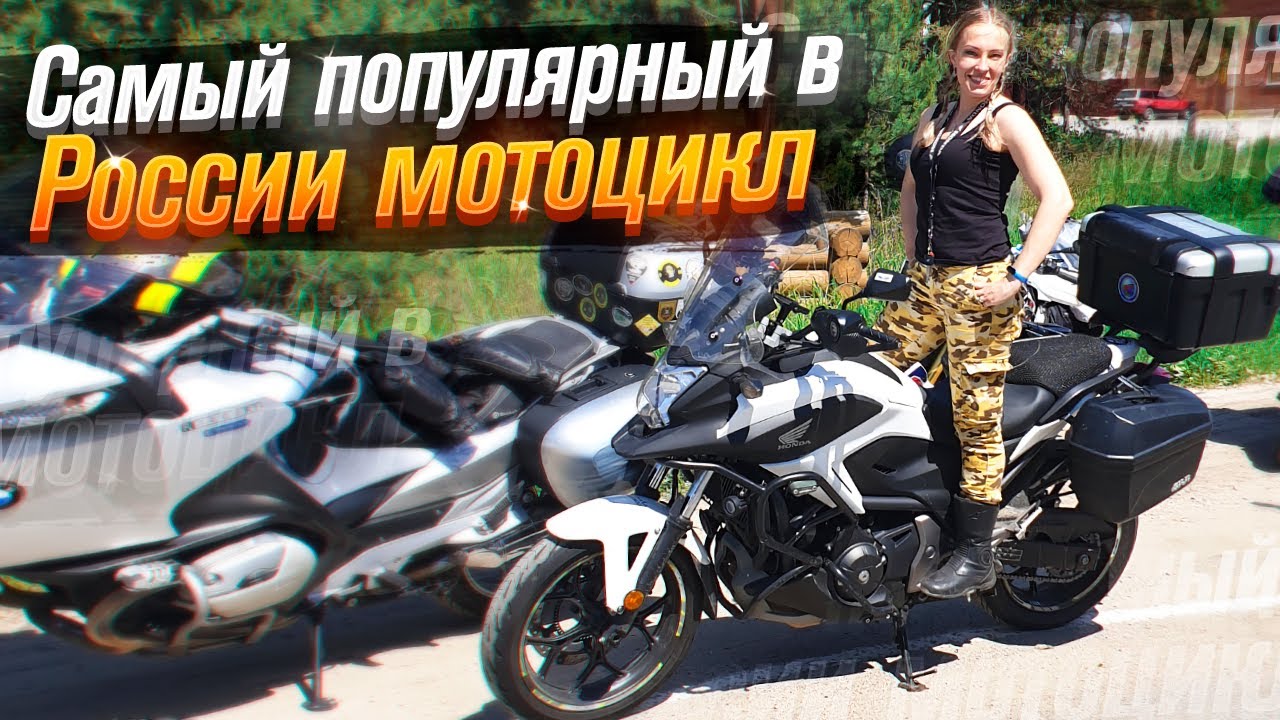
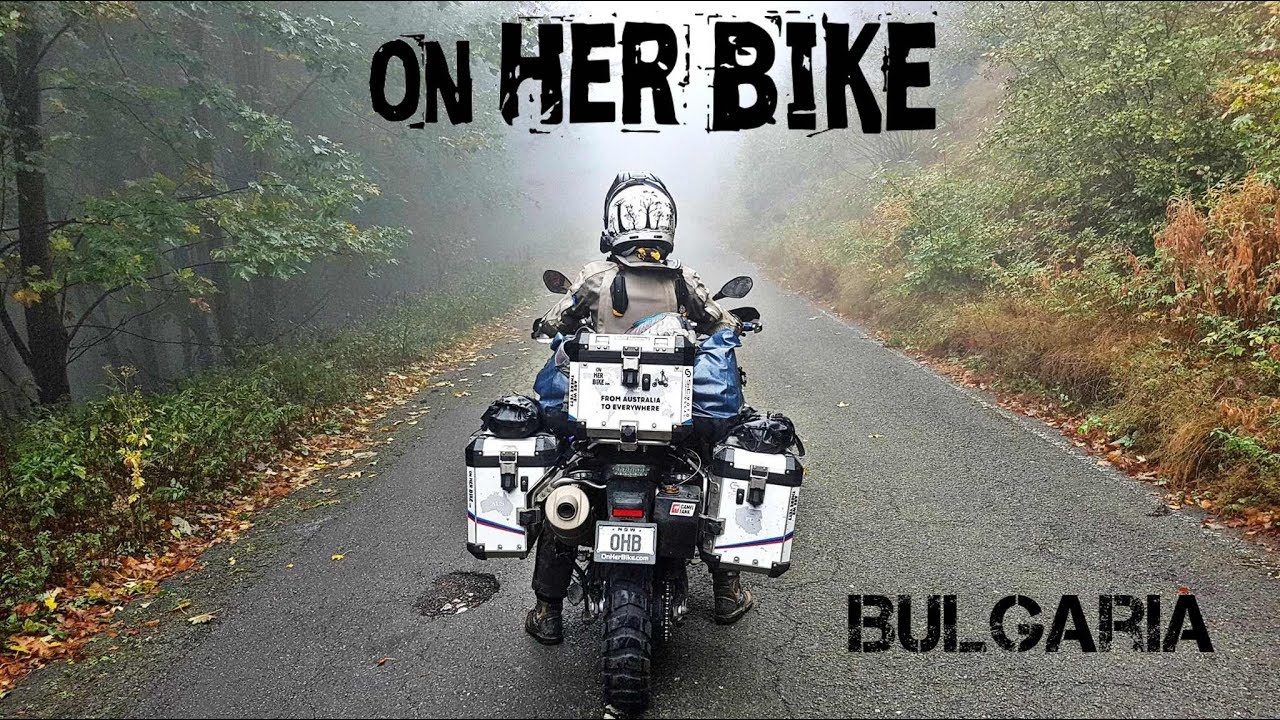
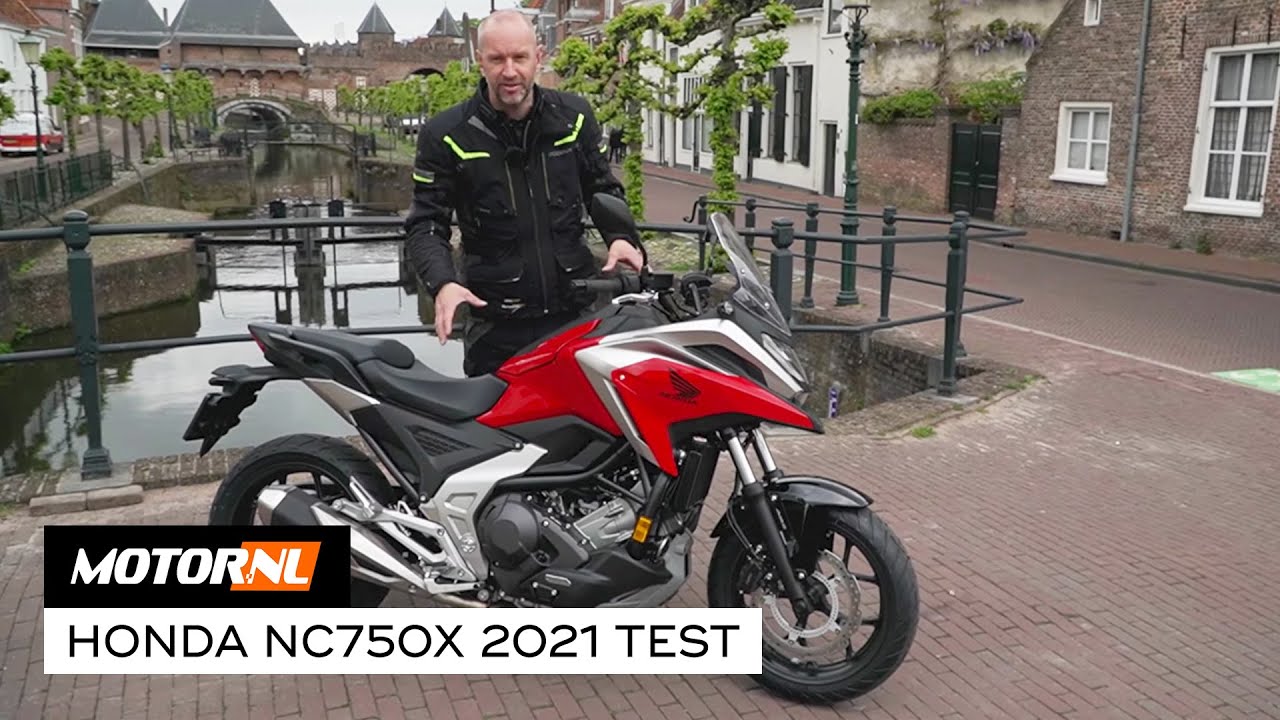
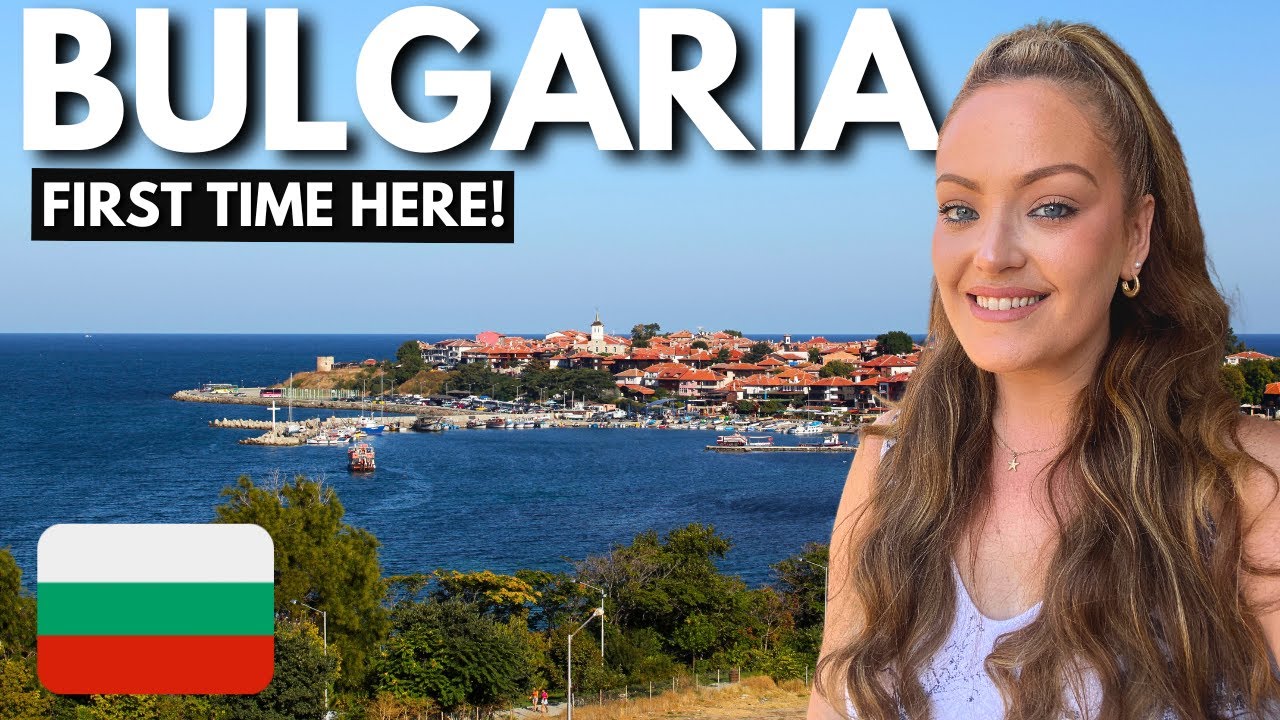
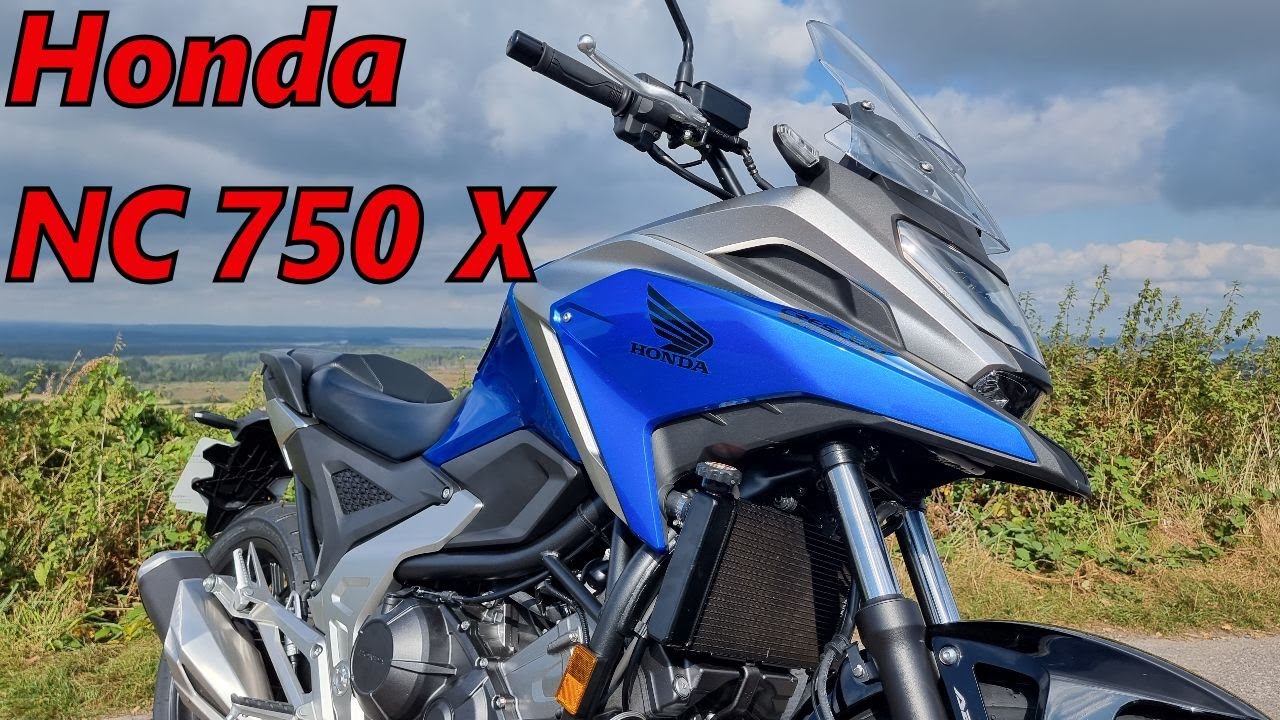
Riding the Honda NC750X in Bulgaria 🇧🇬 - Motorcycle Travel | The road to NESSEBAR
Автор: Ideal Bike Adventures
Загружено: 2022-06-19
Просмотров: 1860
🔴 JOIN US ON:
👥 FACEBOOK / idealbikemoto
📸 INSTAGRAM / ideal.bike
🔔 Subscribe for more videos: https://www.youtube.com/c/IdealBike?s...
Do you want to have a partnership or to have your product reviewed?
idealbike2018@gmail.com
🔴It would be AWESOME if you could show your support by both watching my videos and subscribing to my channel if you have not already done so. Monetizing my videos allows me to invest back into the channel with new equipment so a small gesture from you goes a huge way for me. Many thanks for your support !
https://www.youtube.com/c/IdealBike?s...
#NESSEBAR, #MOTORCYCLETRIP, #RIDEINBULGARIA
Located about 120 km from Balchik, Nessebar is a town located on a peninsula 850 m long and 350 m wide, which is reached by an isthmus. During its long existence, it lost 1/3 of its territory, being covered by the sea. Under the water, 80 meters away from the shore, you can still see the remains of the fortress walls. Currently, only the western wall with the gate, which protects the mainland city, is preserved.
Nessebar is one of the oldest cities in Europe, built on the ancient ruins of the Thracian settlement Mesambria. "Mesambria" means "the city of Melsa", probably the founder of the settlement, and was given by the Greeks when they colonized the settlement in 510 AD.
Nessebar beach is one of the best on the Bulgarian coast. It is said that these beaches in Nessebar have the finest sand of the sea among the beaches of the Black Sea. It should be mentioned that the climate due to its southern position allows a longer tourist season until late September and even October. There are 2 main beaches: the one that connects the city with Sunny Beach and the one that is south of Nessebar to the Ifa hotels. In the middle is the peninsula on which the old town is built, the central point of tourist interest in the area.
At the crossroads of culture, Nessebar was a starting line for many European concepts we take for granted today. Originally a Thracian settlement, it became a Greek colony at the beginning of the 6th century BC. But the peninsular town possesses more than the remains of an assortment of iconic and historic eras. This hub on the Black Sea changed the world because the very concept of money was invented here.
The idea of money is taken for granted these days. but it wasn’t until around the 6th century BC that coins even existed. Prior to that time, goods were generally exchanged for other goods. As an important trading city, Nessebar was one of the first places in the world to start making coins. Bronze and silver coins were minted here in the 5th century BC and gold coins in the 3rd century BC. Coins are still in use in most currencies around the world.
1. Nesebar was first urbanized more than 3,200 years ago, at the end of the Bronze Age.
2. The old Thracian name of the town was Melsambria, translated as ‘The City of Melsa’. Melsa was believed to be the legendary founder of Nesebar. Later the name transformed a bit to Mesambria, Mesembria and Mesemvria.
3. In the 1960s and early 1970s, there were five underwater archaeological expeditions that lead to the understanding of how the area had been developed over the centuries. It is now known that there was first a Thracian settlement, followed by a Greek colony, then a Roman village, a Medieval town and a Renaissance town.
4. The Greeks were the first to turn the small settlement into a town – they built temples, a school and a theatre, and engaged in intense trade relations with other sea nations in the Mediterranean and the Black Sea region. Visit the Archaeological Museum of the town to see artifacts from this era.
5. After Christianity had become the official religion of the Roman Empire, Nesebar had several magnificent churches built. The architects who designed the Saint Sophia church in Nesebar also designed the churches in Constantinople and Rome.
6. The town’s position was so convenient, it had two ports for ships to safely enter and exit from. Nevertheless, many shipwrecks occurred. Divers can see the wreckage around the area.
7. The most visible remains of Nesebar’s history are the churches spread across its Old Town. Most of them are from the twelfth and fourteenth centuries, a period of intense religious construction. According to the legends, Nesebar once had 40 churches. Today 23 of them have been discovered.
8. The windmill at the entrance of Old Town is one of Nesebar’s iconic structures. It was one of many that were built during the Renaissance period. In Bulgaria, this era of revival and renewal occurred under the Ottoman rule.
9. Nesebar’s Old Town is located on a long peninsula. Its unique natural position and the well-preserved historical buildings (especially the thirteenth and fourteenth century churches) are why in 1983 it was listed as a UNESCO World Heritage Site.

Доступные форматы для скачивания:
Скачать видео mp4
-
Информация по загрузке: