The Morning the House Went Silent: The Watts Family, a Bright Suburb, and a Calm That Never Broke
Автор: Behind the Crime | True Crime
Загружено: 2026-01-04
Просмотров: 191
In a quiet neighborhood built for continuation, the first signal is not chaos, not shouting, not a shattered scene—only a stillness that feels unnatural in a home meant to hold a family’s rhythm. A porch light glows as usual. The street holds its shape. Morning arrives clean and indifferent under the Colorado sky, carrying the reassuring lie that stability is automatic. But inside one suburban house, absence does not behave like an accident. It behaves like something sealed.
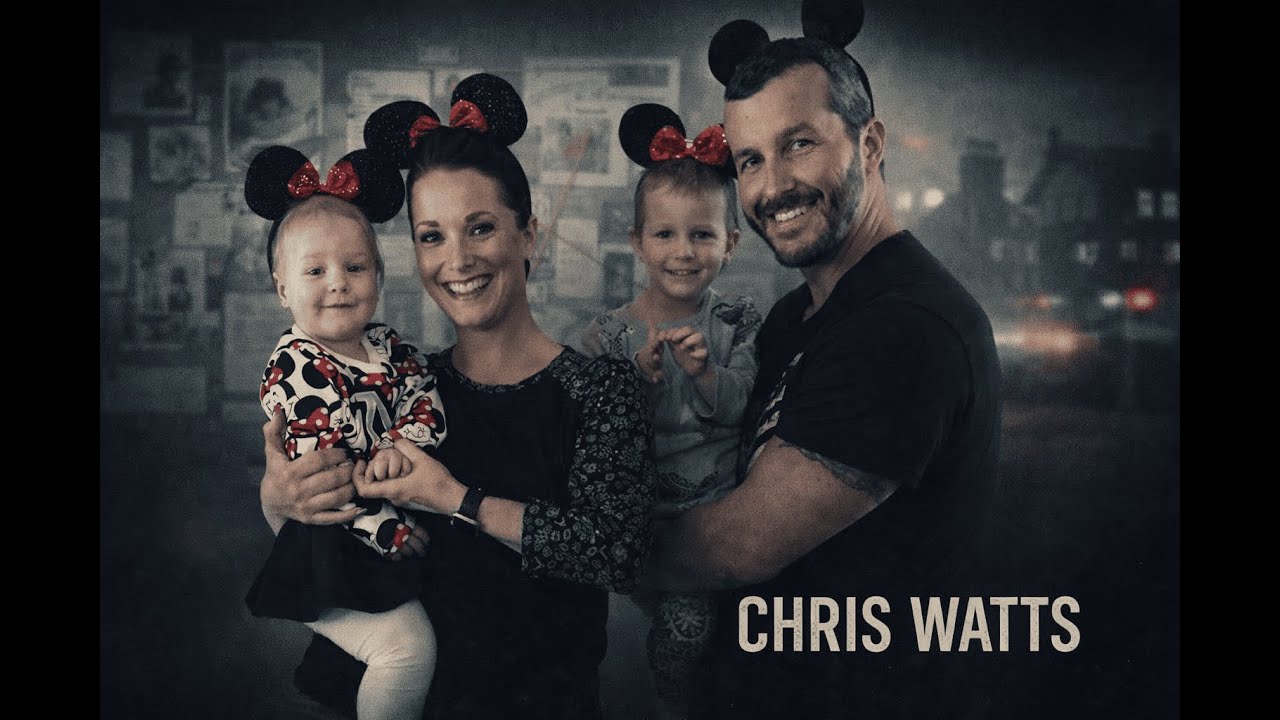
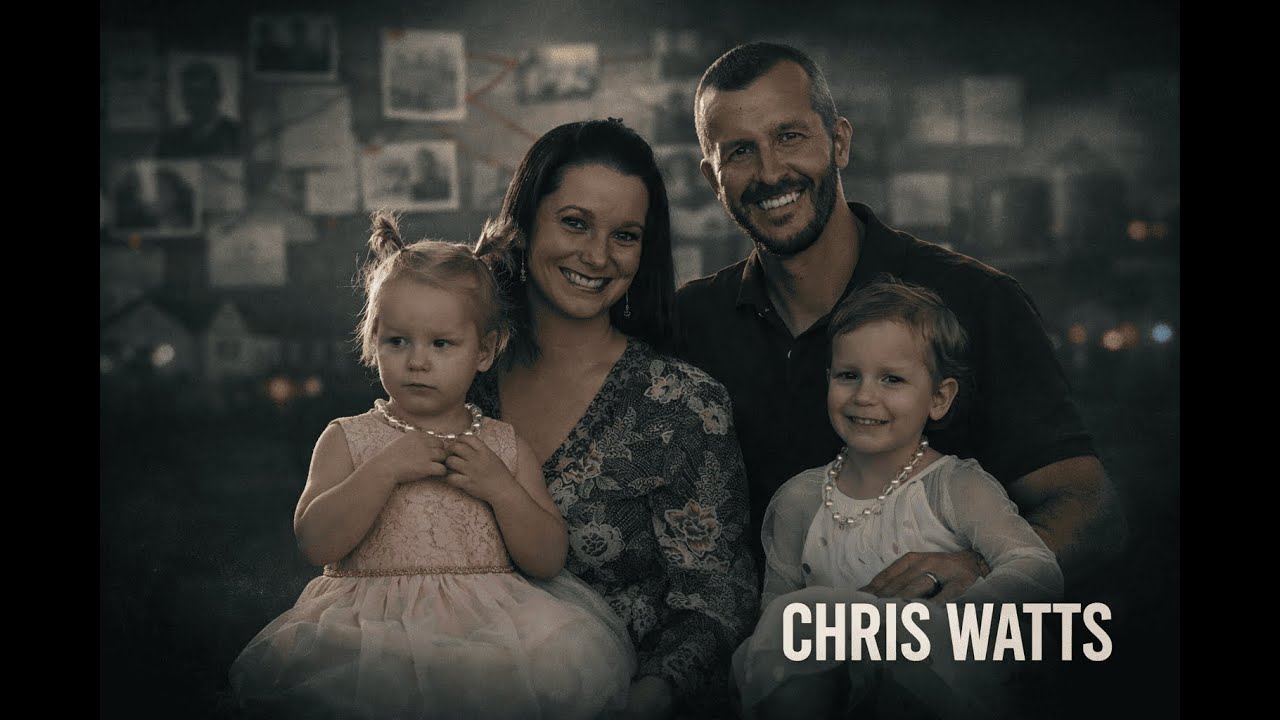
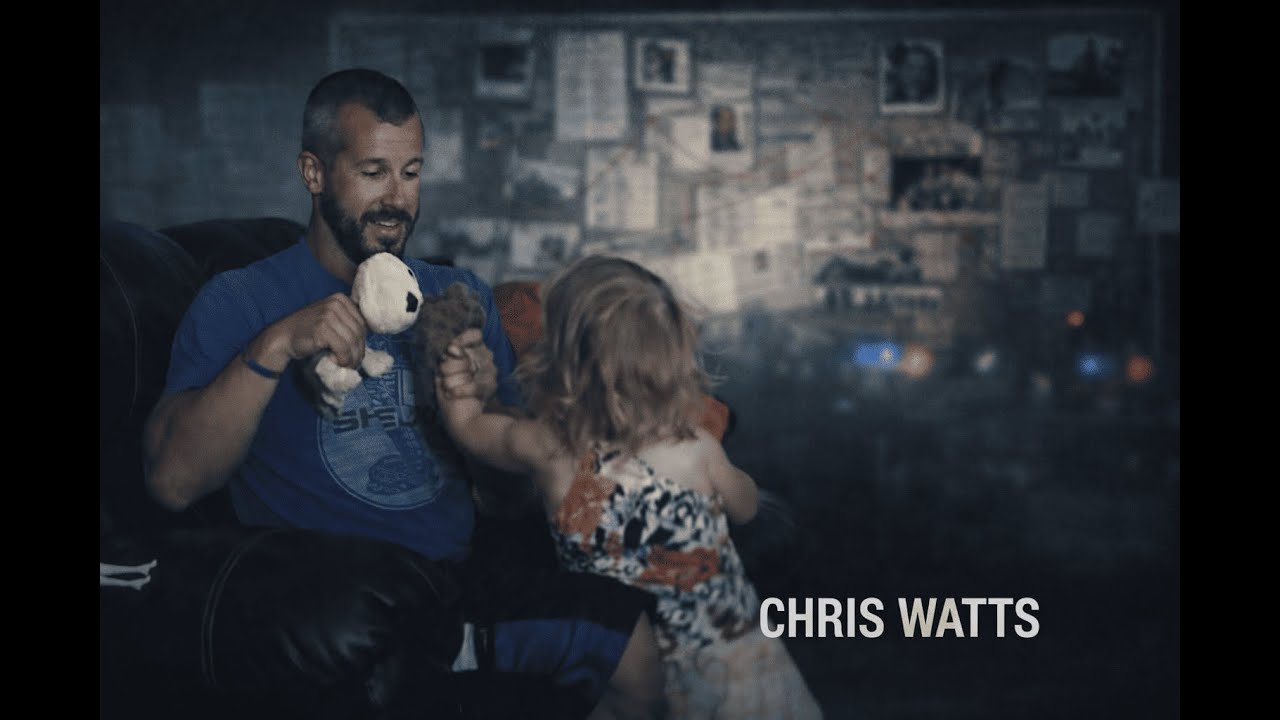
This documentary follows the slow-burn unraveling of the Watts family case in Frederick, Colorado—an August morning in 2018 when routine continued everywhere except where it mattered most. At the center is a family that, on the surface, resembles a familiar American future: a married couple, two small children, and another child on the way. Yet beneath the outward appearance is a private imbalance that has been deepening for far longer than anyone outside the marriage could measure: warmth on one side, withholding on the other; effort on one side, narrowing detachment on the other.
Shanann Watts is portrayed through the gravity of ordinary life—the practical, unglamorous labor of keeping a household coherent, the emotional temperature-setting that turns walls and rooms into something that feels safe. Her children live inside that safety the only way children can: through trust that is total, unquestioning, and defenseless. But trust depends on an internal boundary inside the adult who holds the most power in the home—the quiet moral limit that makes certain actions unthinkable no matter what stress, resentment, or desire might exist behind closed doors. In this story, that boundary does not collapse in public. It erodes in private.
As concern begins, it does not begin with certainty. It begins with the failure of small signals—messages unanswered, plans left suspended, the subtle snap of normal communication going dead. The mind resists horror at first, searching for benign explanations, because imagining the alternative feels impossible. Yet the home itself begins to contradict those explanations: the items that should move with a mother and children remain where they are; the domestic scene feels paused rather than chosen; the silence reads less like departure and more like removal.
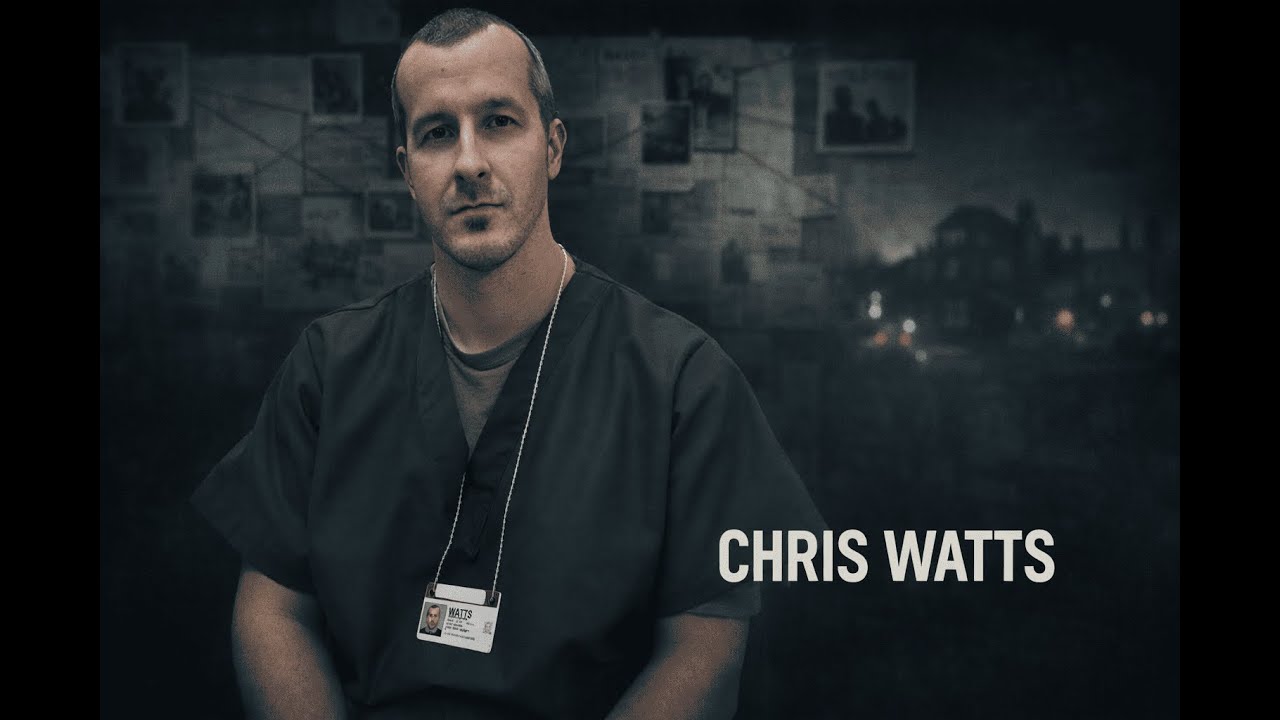
The case then shifts from uneasy concern into the hard mechanics of reconstruction. Modern life leaves a trail without intending to—cameras, timestamps, routines that can be mapped, movements that can be verified. The narrative tightens into a corridor of evidence where demeanor matters less than record, where an outward show of cooperation cannot compete with the cold precision of time. And as that corridor narrows, one detail grows heavier than the rest: the contrast between a community’s rising urgency and a husband’s controlled emotional temperature—calm not as comfort, but as something unsettlingly contained.
This is not presented as a story of sudden violence. It is a story of gradual internal drift—how emotional absence can function as control, how silence can force another person to carry the full burden of connection, how manipulation can thrive in ambiguity, and how a private alternate future can begin to make an existing family feel, in the most dangerous internal language, like an obstacle.
Throughout, the documentary holds to its central atmosphere: bright daylight over a place designed to reassure; an ordinary street continuing as if normal life is guaranteed; and a home that feels wrong precisely because nothing looks broken from the outside. It examines the psychological architecture of a household where warmth is rationed, where effort becomes asymmetrical, and where the public face of normalcy can remain intact right up until the moment it cannot.
What remains, after the immediate shock, is a deeper disturbance that does not resolve into comfort—only into clarity. Because the most unsettling truth in cases like this is not that evil looks dramatic. It is that it can look routine. It can look quiet. It can look like a man who fits neatly into the neighborhood’s daily language, while something inside the home has already stopped moving the way a living family should.
If you follow true crime for spectacle, this story will deny you that. If you follow it to understand how ordinary life can be hollowed out from within—how a family can be erased while the morning still arrives with order—this is a case that will stay with you.
#TrueCrime #TrueCrimeDocumentary #TrueCrimeCommunity #CrimeDocumentary #NetflixStyle #TrueCrimeSeries #AmericanTrueCrime #FamilyCase #MissingPersons #DisappearanceCase #WattsCase #WattsFamily #ChrisWatts #ShanannWatts #FrederickColorado #ColoradoCrime #DomesticCase #CriminalPsychology #BehavioralAnalysis #Investigation #CaseTimeline #SurveillanceFootage #SuburbanSecrets #DarkDocumentary #LongFormTrueCrime

Доступные форматы для скачивания:
Скачать видео mp4
-
Информация по загрузке: