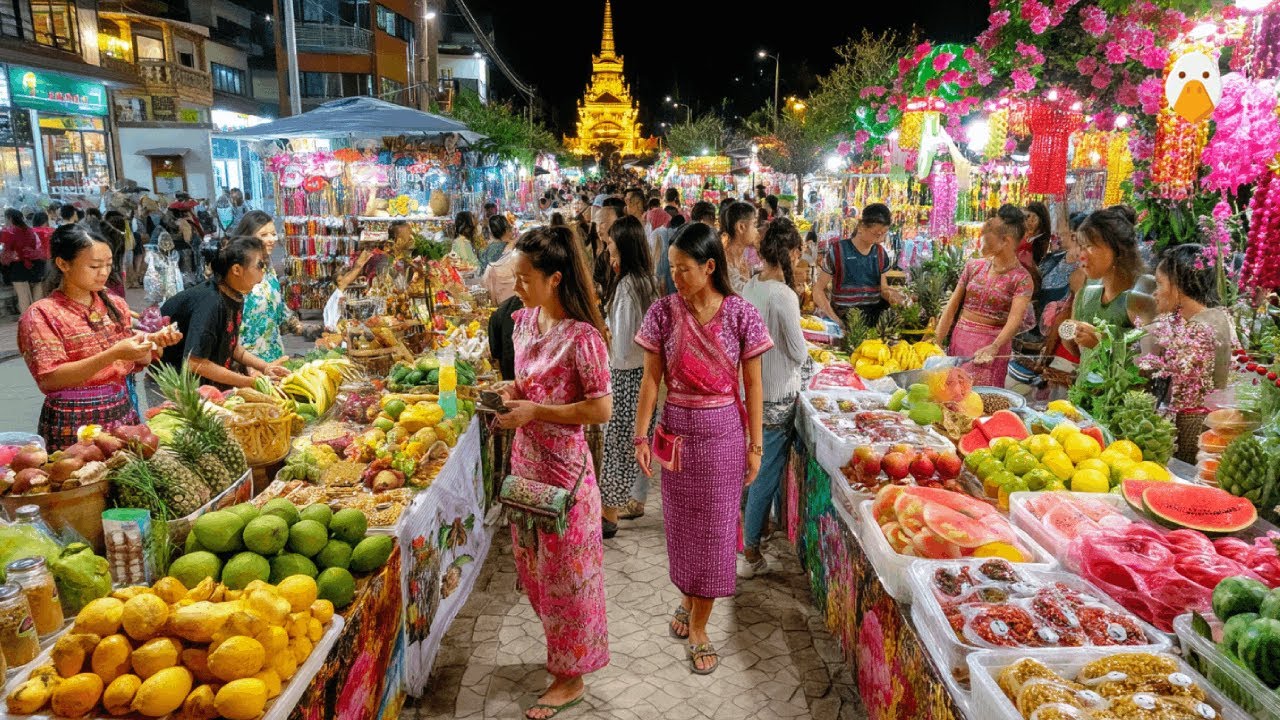
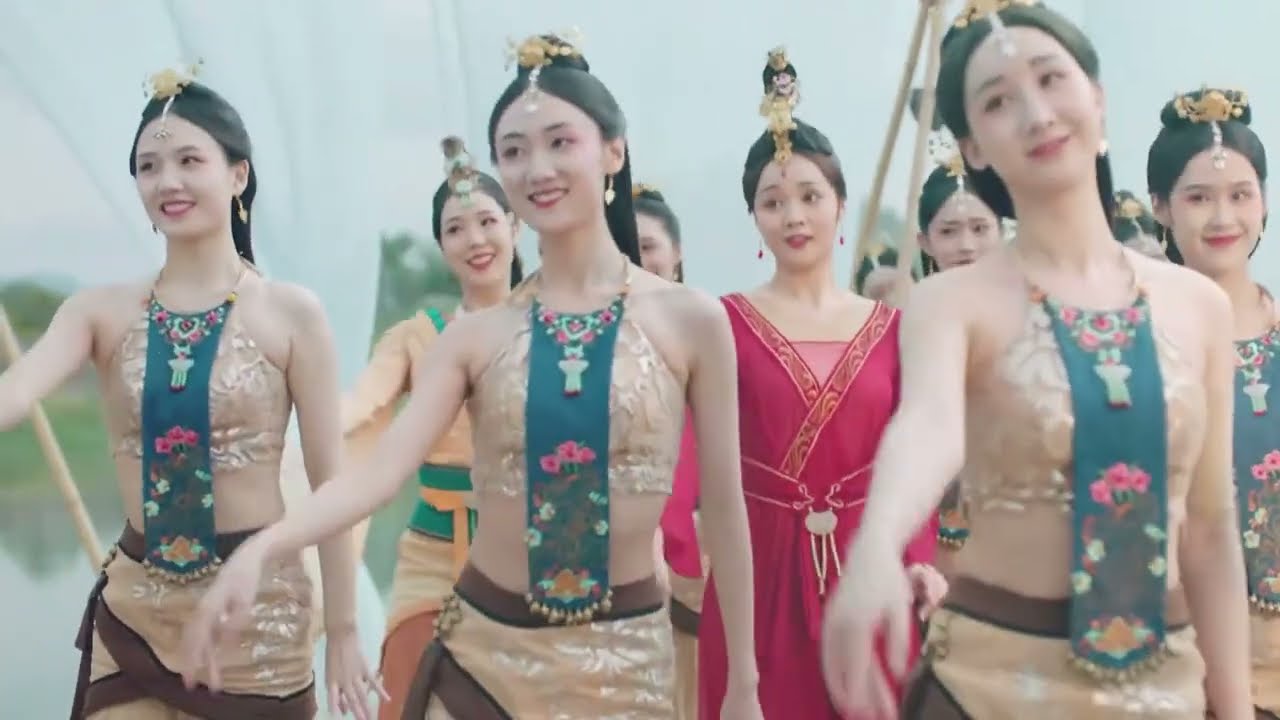
Sipsongpanna Yunnan, China 西双版纳 傣族自治州 云南 สิบสองปันนา ยูนนาน จีน
Автор: De Form Diary
Загружено: 2021-06-24
Просмотров: 24419
#Sipsongpanna#China#Diary
Xishuangbanna Dai Autonomous Prefecture
Xishuangbanna, Sibsongbanna or Sipsong Panna (Tham: ᩈᩥ᩠ᨷᩈ᩠ᩋᨦᨻᩢ᩠ᨶᨶᩣ, New Tai Lü script: ᦈᦹᧈᦈᦹᧈᦵᦋᦲᧁᧈᦘᦱᦉᦱᦺᦑ᧑᧒ᦗᧃᦓᦱ; Chinese: 西双版纳傣族自治州; Thai: สิบสองปันนา; Lao: ສິບສອງພັນນາ; Shan: သိပ်းသွင်ပၼ်းၼႃး; Burmese: စစ်ဆောင်ပန္နား), shortened to Banna, is an autonomous prefecture for Dai people in the extreme south of Yunnan Province, China, bordering both Myanmar and Laos. The prefectural seat is Jinghong, the largest settlement in the area and one that straddles the Mekong, called the "Lancang River" in Chinese.[3]
This region of China is noted for the distinct culture of its ethnic groups, one that is very different from that of the Han Chinese. The people, architecture, language and culture more closely resemble those of the Shan, Dai and Tai peoples, which includes the Thai and Lao.
Etymology
Sipsongpanna (cognate to the Thai สิบสองปันนา, RTGS: Sipsong Panna) is a Tai Lü compound consisting of sipsong "twelve", pan "township" and na "rice paddy". The name refers to the traditional division of the mueang into twelve districts that were called panna (literally "township rice-fields") The etymology is parallel to the autonomous Tai-speaking region in French Indochina from 1890 to 1945 called Sip Song Chau Tai meaning "twelve Tai cantons".
History
Main article: Chiang Hung
Before 1886, the region was called Chiang Hung, a Tai Lue Kingdom contended between Lanna and the Burmese dynasties. In the 19th century, it briefly became a tributary state of Luang Prabang and Rattanakosin dynasty. Chiang Hung Kingdom submitted to the Qing dynasty during the late 19th century.
In the chaos of the Xinhai Revolution that overthrew the Qing government in 1911 in favor of a Chinese republican government, a local official, Chao Meeng Jie, staged a rebellion against Qing remnant officials. The Yunnan provincial government of the newly established Republic of China sent troops in 1913 to oust the rebels. Ke Shuxun remained in Xishuangbanna to govern with his "13 Principles of Governing the Frontier", which emphasized equality between Han and Dai in areas such as land ownership and taxation, allowed intermarriage between the ethnic groups and promoted education in secular and technical subjects, rather than Burmese-based monastic education. The Second Sino-Japanese War (1931-1945) saw the heavy bombardment of Xishuangbanna by Japanese troops and a simultaneous influx of Pan-Taiist propaganda from Japan's ally, Thailand. According to Hsieh, this reduced the appeal of a broad pan-Tai identity among the Dai Lue.
During the final phase of the Chinese Civil War, many remnants of the Kuomintang fled from Communists forces into Burma's Shan State from Xishuangbanna. The new People's Republic of China sent various non-military expeditions to Xishuangbanna from 1949 to provide services such as schools and hospitals to replace those from Christian western missionaries.
The Communists took control of the prefecture from Kuomintang loyalists in 1952. On January 23, 1953, the PRC established the Xishuangbanna Dai Autonomous Region and ended the native-chieftain system. That year, the People's Congress of Xishuangbanna created the New Tai Lue alphabet, based on the Tai Tham alphabet, for printing material in the Tai Lü language.
Xishuangbanna was made an autonomous prefecture in 1955 but lost some territory on the creation of Jingdong Yi Autonomous County and Jiangcheng Hani and Yi Autonomous County. Land reform started in earnest in January 1956, destroying the power of the village headmen. State-owned rubber plantations accounted for most of the region's wealth during the early PRC period.
Xishuangbanna also received an influx of educated youth during the Down to the Countryside Movement of the Cultural Revolution (1966-1976). During this period Buddhist temples in Xishuangbanna were used as barns, only being restored to their original purpose in 1981.
In 1987, the Xishuangbanna government promulgated the Law of the Xishuangbanna Dai Nationality Autonomous Prefecture for Self-government to bring local laws into line with the national Law of the People's Republic of China for Regional National Autonomy.
Shao Cunxin (召存信, 1922-2015), former head of the Chieftain's outer council (1944-1950) and chief of Meng Peng (1938-1950), was the chief of the autonomous prefecture from 1955 to 1992.
Geography
The prefecture has an area of 19,700 km2 (7,600 sq mi). Xishuangbanna is the home of the Dai people. The region sits at a lower altitude than most of Yunnan, and borders closely on tropical climate. It is fast becoming a sought after tourist destination. It has close proximity to Myanmar, Laos, and Thailand.
A BIG THANK YOU FOR
Video credit:
Beckett Fang - 大美中国云南西双版纳傣族人文风光自然
• Видео
Miki Sivan - XISHUANGBANNA (Yunnan, China) unique Thai culture inside China. Stunning view from drone (in 4K)
• XISHUANGBANNA (Yunnan, China) unique Thai ...

Доступные форматы для скачивания:
Скачать видео mp4
-
Информация по загрузке:
![เพลงไทลื้อสิบสองพันนา[ไทเมืองลื้อ]Sipsongpanna Tai Lue song西双版纳傣语歌曲【傣勐泐】2020ᨽ᩠ᨿᨦᨴᩱᩃᩨᩢᩈᩥ᩠ᨷᩈ᩠ᩋᨦᨻ᩠ᨶᩢᨶᩣ](https://imager.clipsaver.ru/FbhKWc41ADw/max.jpg)