How to Conduct a Bed Area Safety Check | Ausmed Explains...
Автор: Ausmed
Загружено: 2020-08-16
Просмотров: 11759
Bed safety checks in high acuity clinical areas may seem like an easy and basic task. However, they are a crucial responsibility, which, if performed incorrectly, may impact patient survival in an emergency situation.
A bed safety check is the first task you should undertake after handover at the commencement of your shift. It involves:
Ensuring all equipment is available and working in the event of patient deterioration or another adverse event.
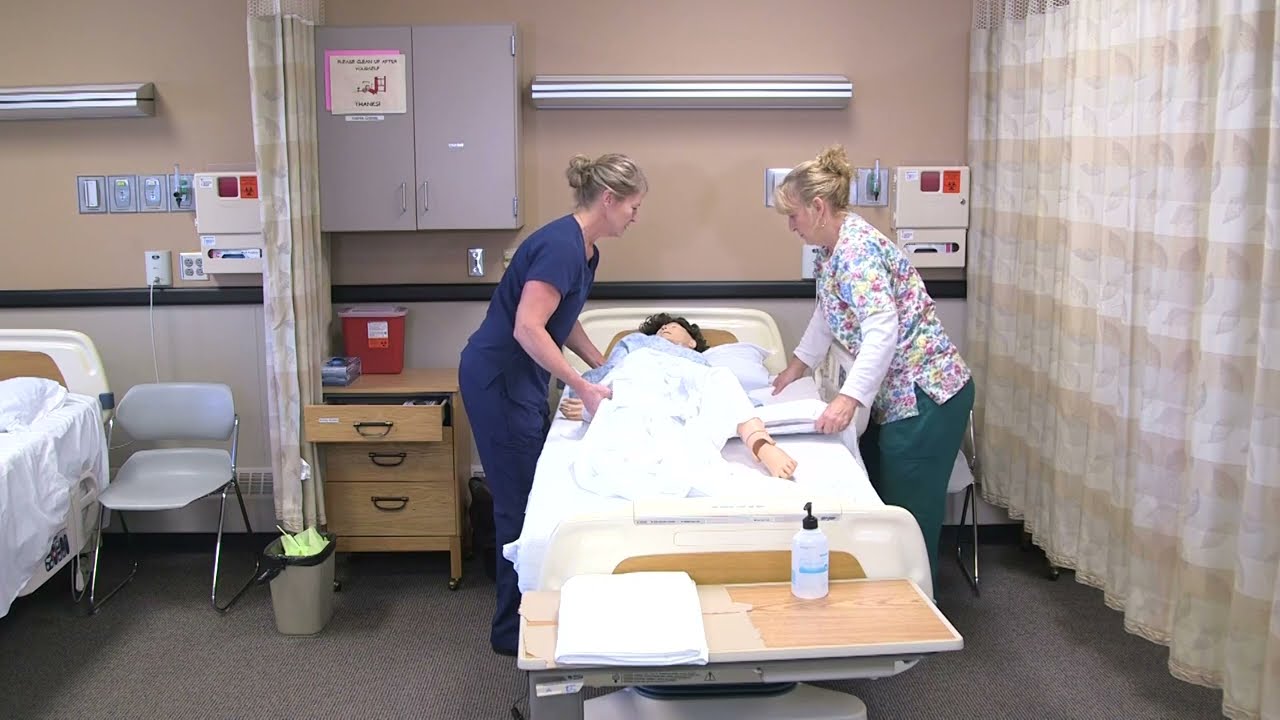
Ensuring the patient’s bed space is tidy, safe and free from potential harm to the patient, clinician or visitors.
How to Conduct a Bed Safety Check
1) Perform hand hygiene and don appropriate personal protective equipment (if necessary) before entering the patient area.
2) Introduce yourself to the patient and explain what you are doing.
3) Check the patient’s identification band.
4) Check oxygen and suction.
5) Familiarise yourself with the location of all resuscitation equipment within the clinical area including [air viva] the bag-valve-mask apparatus.
6) Wall oxygen and suction must be checked, with appropriate tubing connected. [Air viva] The bag-valve-mask apparatus should be connected to oxygen, ready for use in an emergency. Yankauer sucker should be connected to the suction outlet.
7) Portable oxygen and suctioning should also be located and checked in case the wall supply is not working.
8) In high acuity clinical areas, a blood pressure cuff, pulse oximetry and 5-lead cardiac monitoring should be in situ on the patient for continuous and regular observations.
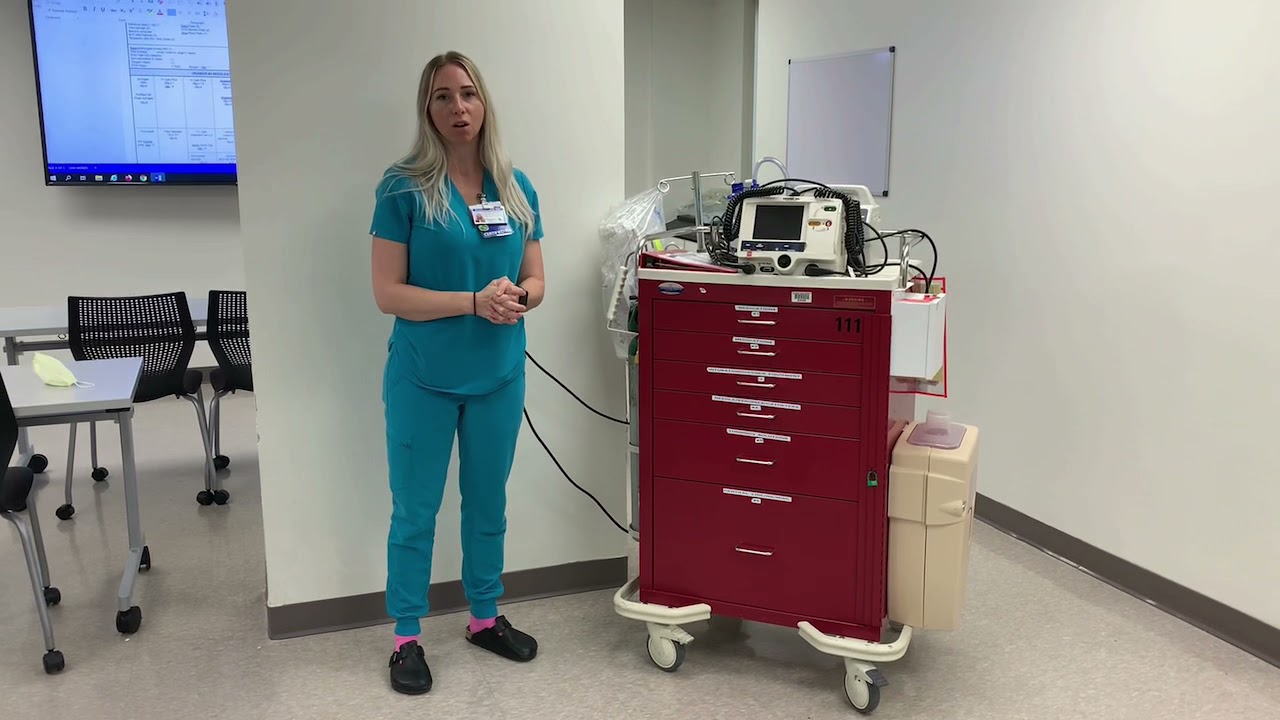
9) Locate the emergency trolley and automated external defibrillators (AED). Early CPR and defibrillation decrease mortality rates.
10 a) Check all intravenous lines are traced back and are attached to infusion pumps. Ensure the right medicine is in the correct fluid solution running at the correct infusion rate (check this with two Division One nurses at handover).
10 b) Check arterial and central venous pressure lines are patent by observing the correct waveform on the monitor and pressure bag status. Ensure the correct solution is attached to the pressure bag. Validate transducer level at the commencement of each shift or when patient is repositioned.
11) Ensure all drain tubes and indwelling catheters are free from occlusion.
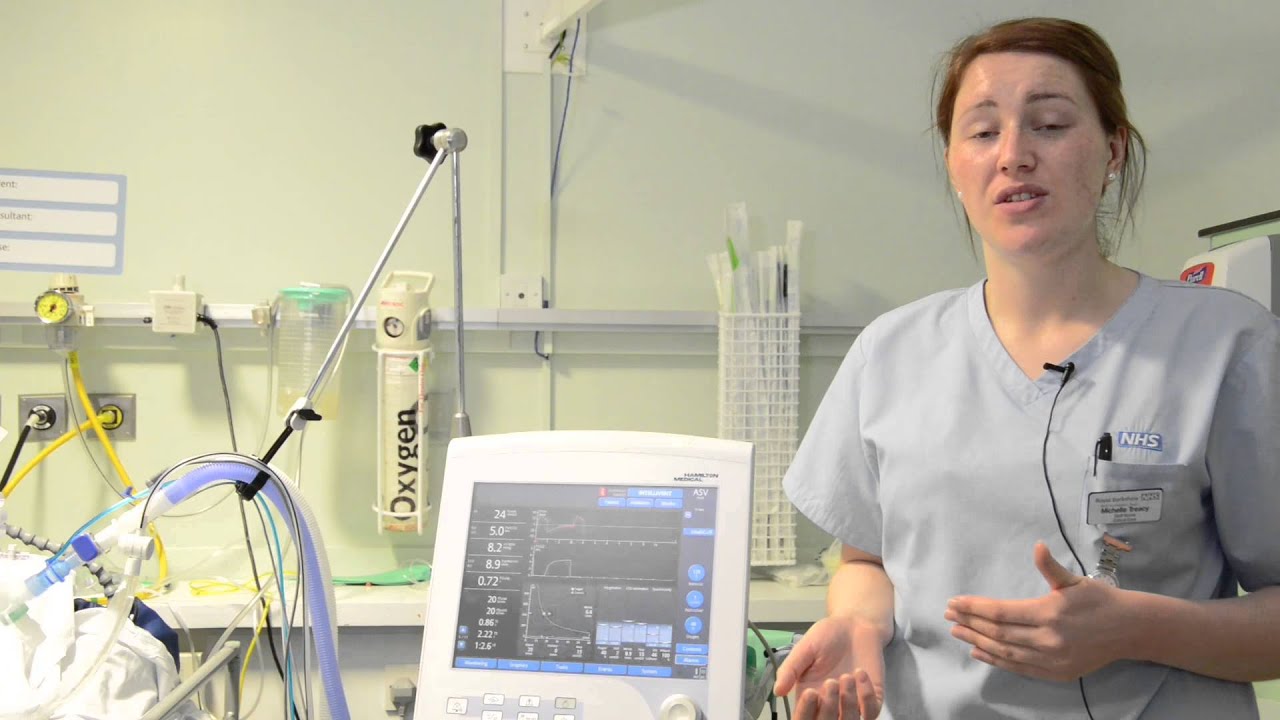
12) Check mechanical ventilation or non-invasive ventilation devices (if applicable), ensuring all settings are correct as per the patient’s treatment plan.
13) Remove any furniture or equipment that is no longer needed out of the bed space.
A bed safety check should be the first task performed after handover.
Ensure that all equipment is working and ready to use, and familiarise yourself with the locations of additional emergency equipment such as the emergency trolley. If any equipment is not in the bed area, replace it immediately.
For more information, visit https://www.ausmed.com.au/cpd/article... and subscribe to @Ausmed for regular explainers like this!
Facebook ► / ausmed
Instagram ► / ausmededu
LinkedIn ► / ausmed-conferences
Twitter ► / ausmed
Доступные форматы для скачивания:
Скачать видео mp4
-
Информация по загрузке: