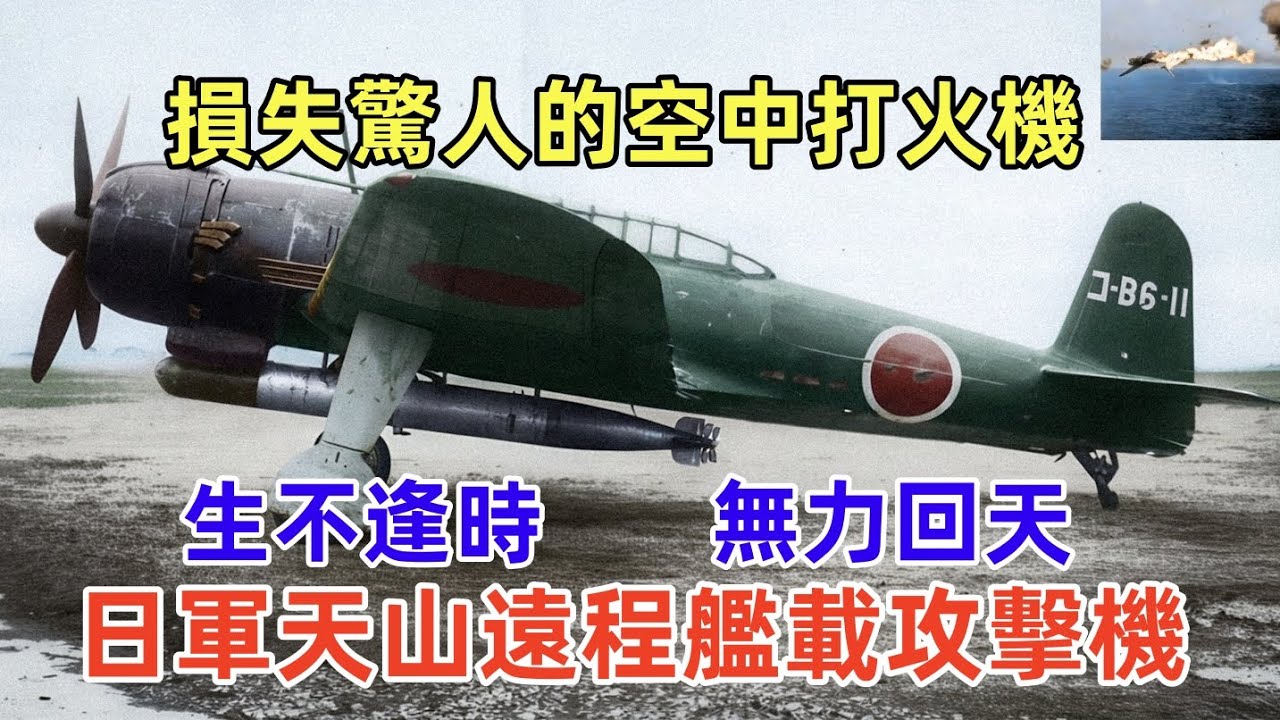
天山艦載攻擊機(軍事研究),被舊日本海軍寄予厚望,生不逢時 、無力回天,損失驚人的空中打火機,戰損高達80%以上。Nakajima B6N Tenzan Attack Bomber
Автор: 軍事研究
Загружено: 2026-01-18
Просмотров: 1967
天山艦載攻擊機的設計初衷是取代九七式維持海空優勢,卻因研發決策失誤、技術不成熟及戰局逆轉淪為「悲情戰機」。其技術層面既有層流翼、可折疊機翼等先進設計,速度、航程等指標居同期中上遊,展現了日本航空工業的進步;但為追求性能放棄自封油箱與防彈裝甲,發動機選型失誤延誤量產,這些源於「重進攻輕防護」理念的缺陷,成為實戰拉胯的核心原因。
服役後美軍已掌握製空製海權,天山性能優勢無法發揮,常規作戰戰損高、戰果寥寥,僅自殺特攻取得少量戰績。其興衰折射出日本海軍戰略失誤與體系崩潰:過度追求性能忽視技術成熟度,資源分配失衡,後備飛行員培養缺失。
The original design intention of the Nakajima B6N Tenzan carrier-based attack aircraft was to replace the B5N Kate and maintain Japan's naval and air superiority. However, due to flawed R&D decisions, immature technologies and the reversed war situation, it ended up as a "tragic fighter".
Technically, it incorporated advanced features such as a laminar flow wing and foldable wings, with its speed and range ranking among the upper-mid tier of its contemporaries, which demonstrated the progress of Japan’s aviation industry. Nevertheless, the pursuit of performance led to the abandonment of self-sealing fuel tanks and bulletproof armor, and the ill-advised engine selection delayed its mass production. These flaws, rooted in the doctrine of "prioritizing offense over defense", became the core reasons for its poor combat performance.
After entering service, the U.S. military had already seized control of air and sea dominance, leaving the Tenzan unable to capitalize on its performance advantages. It suffered heavy losses and achieved minimal results in conventional combat, with only a handful of tactical gains made through kamikaze suicide attacks. The rise and fall of the Tenzan reflected the strategic miscalculations and systemic collapse of the Imperial Japanese Navy: an excessive obsession with performance at the expense of technical maturity, unbalanced resource allocation, and a critical shortage of trained reserve pilots.
Доступные форматы для скачивания:
Скачать видео mp4
-
Информация по загрузке: