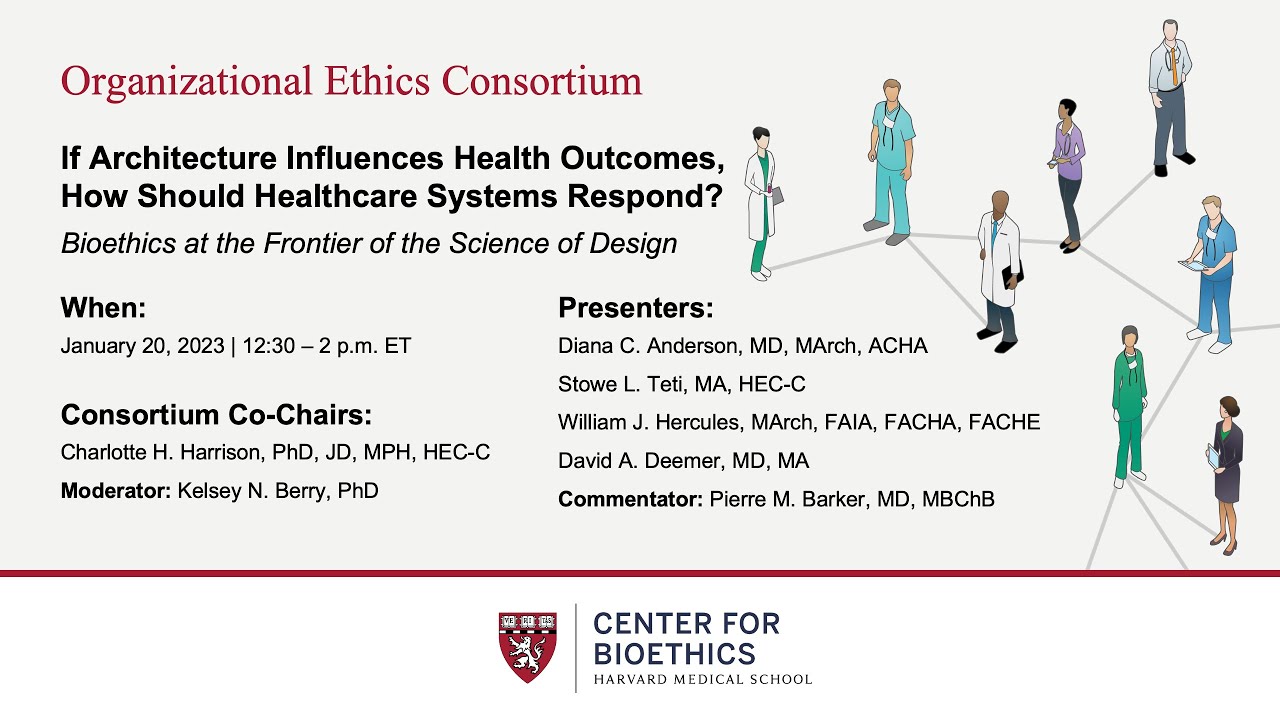
If Architecture Influences Health Outcomes, How Should Healthcare Systems Respond?
Автор: HMS Center for Bioethics
Загружено: 2023-01-25
Просмотров: 1362
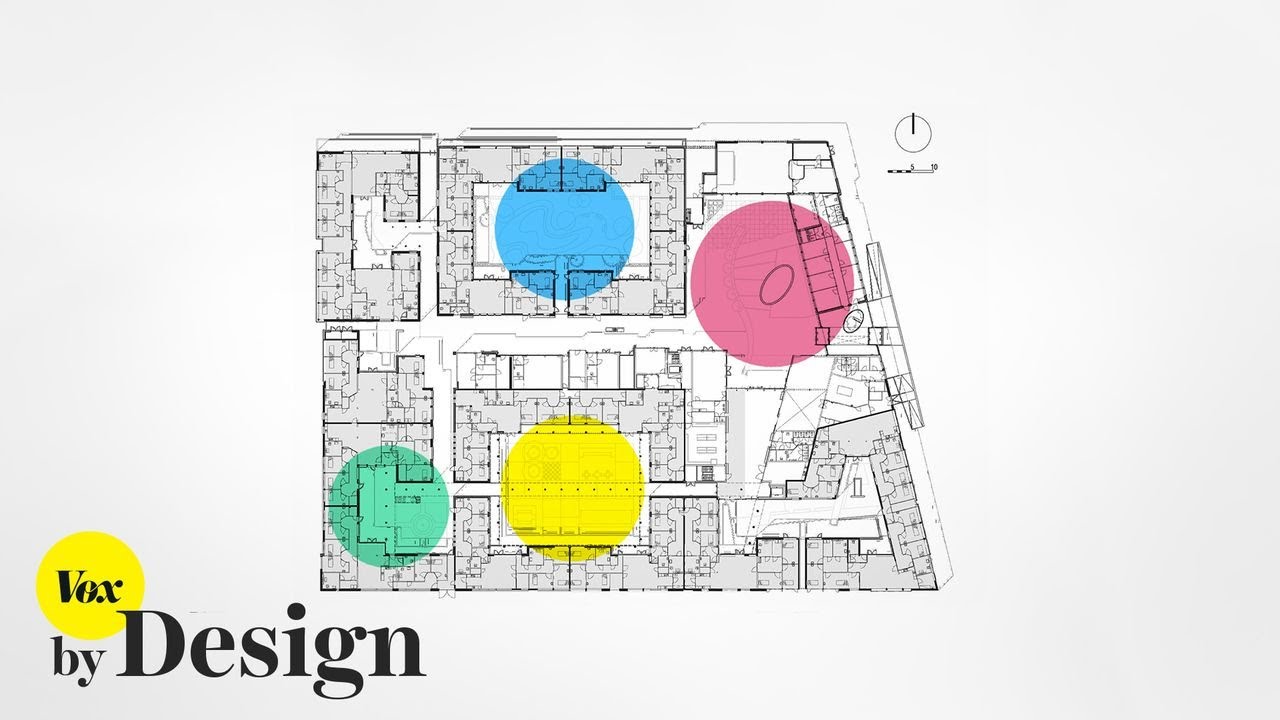
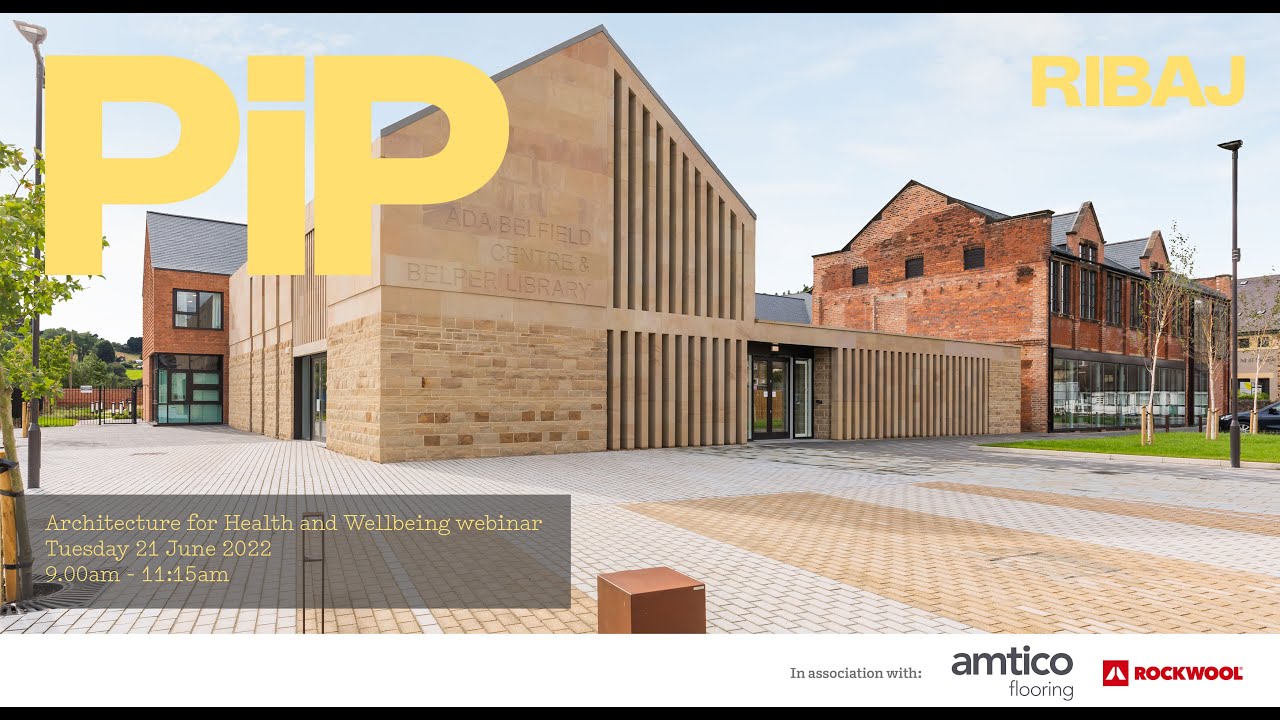
A growing body of research suggests that the design and architecture of a health care facility substantially influences the health outcomes of the patients in it. Yet despite the mission-critical insights that this line of research unlocks for hospitals and other health care facilities, evidence-based design remains relatively underutilized in the health care industry. This gap leaves ample opportunity for bioethics and health care leaders to shape the ethical use and potential impacts of evidence-based design for healthcare organizations and systems. This consortium will explore both the bioethical dilemmas presented by the new science of design as well as practical opportunities to advance evidence-based design in health care. Key questions will include:
What implications does the new science of design have for developing an organizational and systems approach to improving patient outcomes?
To what extent should the healthcare building itself be conceived of as a health intervention?
What are the responsibilities of healthcare systems to design, build, and renovate their physical structure for optimal health and health equity outcomes?
What values ought to guide the intentional design of healthcare spaces, and how should health systems respond when prior, sticky design choices are found to contravene those values?
How can ethics and health care leaders partner with architects to facilitate care transformation focused on the built environment?
Presenters:
Diana C. Anderson, M.D., M.Arch., ACHA
Stowe L. Teti, M.A., HEC-C
William J. Hercules, M.Arch., FAIA, FACHA, FACHE
David A. Deemer, M.D., M.A.
Moderator:
Kelsey Berry, PhD
Commentator:
Pierre M. Barker, MD, MBChB
Доступные форматы для скачивания:
Скачать видео mp4
-
Информация по загрузке: