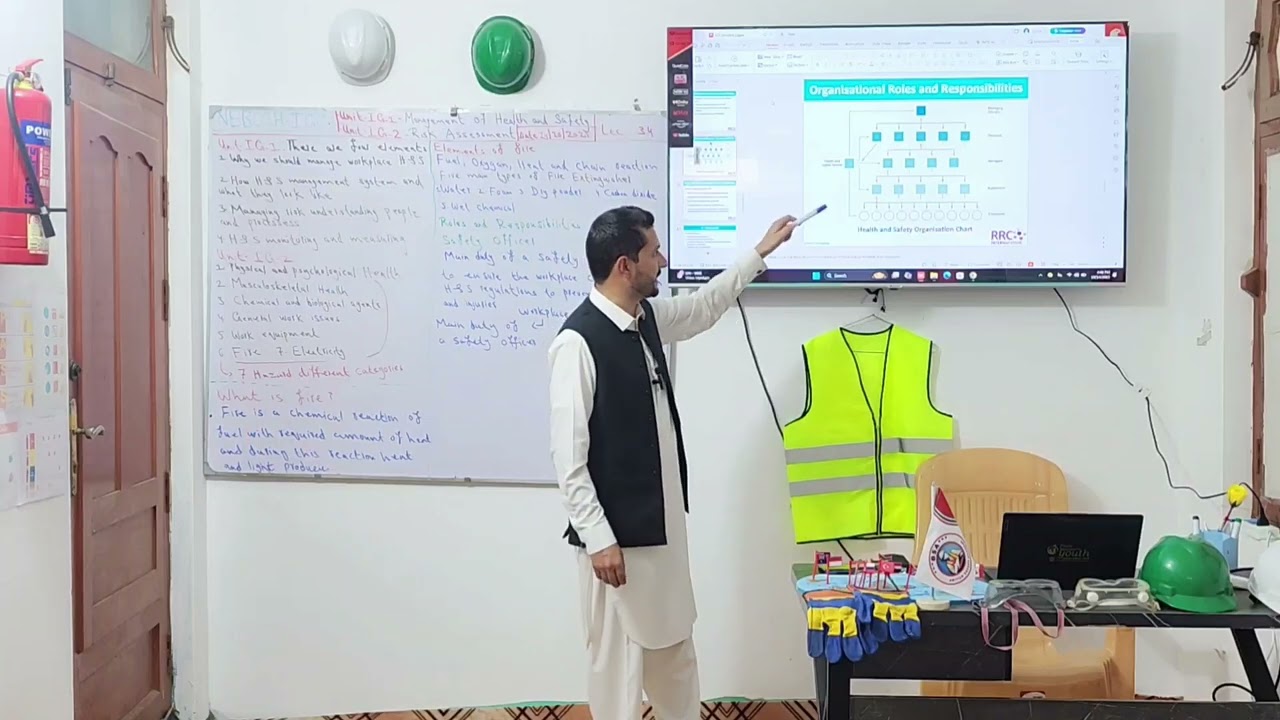
Interview Questions ask from me for Safety officer job
Автор: Safety with Arslan 🦺
Загружено: 2025-06-23
Просмотров: 1379
🌐 What is HSE (Health, Safety, and Environment)?
HSE (Health, Safety, and Environment) is a system or a set of policies designed to ensure the health, safety, and environmental protection of workers in the workplace. It is extremely important in all industries, especially in oil and gas and construction sectors.
⸻
What does HSE stand for?
HSE focuses on protecting:
• People’s health
• Worker safety
• The environment (air, water, land)
The three main components of HSE are:
1. Health:
Ensuring the physical and mental well-being of workers. This includes preventive measures against illnesses and providing medical support at work.
2. Safety:
Implementing all necessary safety precautions and rules to prevent accidents, injuries, or any unexpected incidents at the workplace.
3. Environment:
Protecting the environment by making sure the company’s operations do not cause pollution or ecological harm.
⸻
🛠️ Responsibilities of a Safety Officer in Oil & Gas or Construction Industry
A Safety Officer is responsible for implementing, monitoring, and enforcing HSE policies and ensuring that workers perform their duties in a safe manner. In oil & gas or construction industries, the safety officer plays a critical role due to the high risk of accidents.
Key responsibilities include:
1. Developing and Implementing HSE Policies:
Preparing HSE guidelines for the company and ensuring they are effectively followed on-site.
2. Risk Identification and Assessment:
Recognizing and analyzing risks or hazards at the worksite—such as machinery failure, chemical exposure, or unsafe work conditions.
3. Ensuring a Safe Work Environment:
Providing training and appropriate personal protective equipment (PPE) like helmets, gloves, safety boots, goggles, etc.
4. Incident Reporting and Investigation:
Reporting any accident immediately, investigating its cause, and implementing measures to prevent similar incidents in the future.
5. Inspections and Drills:
Conducting regular site inspections and emergency drills to ensure compliance with safety regulations.
6. Preparing Emergency Procedures:
Developing emergency response plans for fire, toxic leaks, or any other crisis situation.
7. Safety Training:
Training new and existing employees on safety practices and procedures, and ensuring they understand what precautions to take while working.
8. Monitoring Environmental Impact:
Taking steps to reduce environmental harm from operations and ensuring environmental safety compliance on-site.
⸻
💡 Why is HSE important?
1. Protecting Lives:
The safety and health of workers is the top priority.
2. Legal Compliance:
Following HSE regulations helps protect the company from legal penalties and lawsuits.
3. Environmental Preservation:
Especially in oil & gas and construction, there can be a high environmental impact. HSE ensures measures are taken to reduce it.
4. Employee Satisfaction and Performance:
When workers feel that their safety and well-being are valued, they work more efficiently and with peace of mind.
#hse #safety #safetyofficer

Доступные форматы для скачивания:
Скачать видео mp4
-
Информация по загрузке: