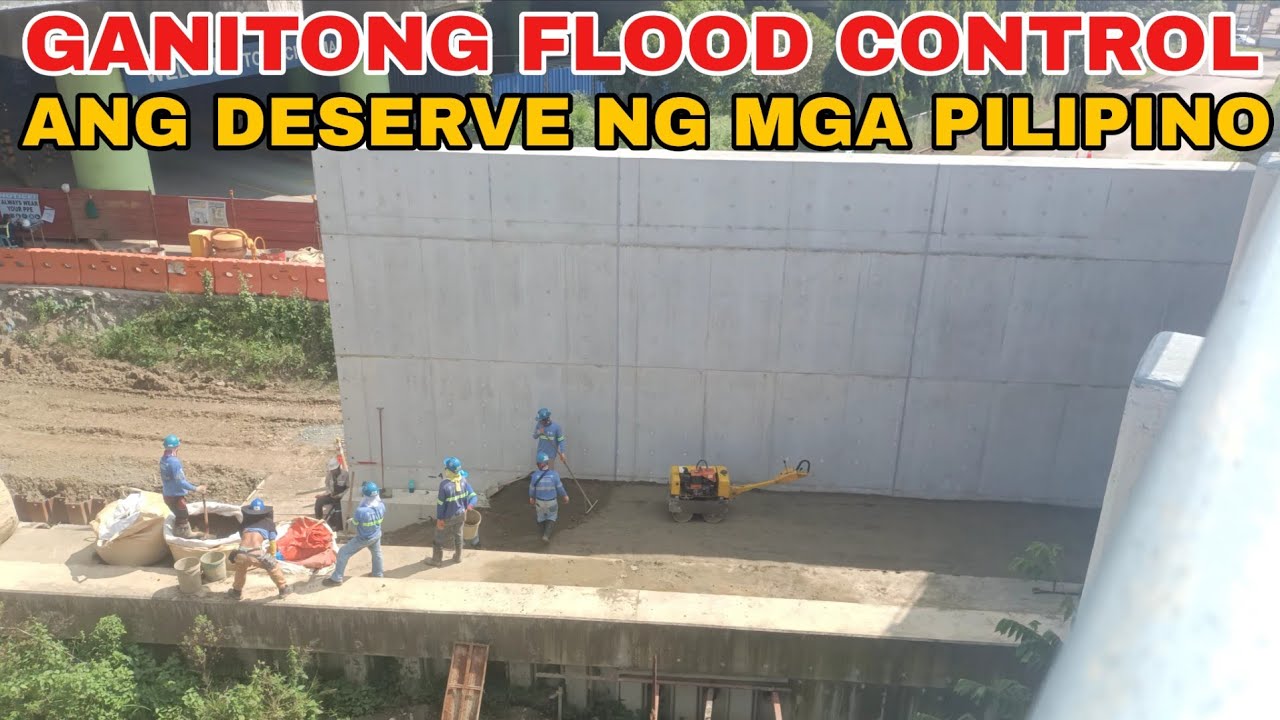
Ganitong Flood Control Ang Deserve Ng Mga Pilipino | Flood Control Philippines
Автор: Lakad pinoy ph
Загружено: 2025-12-27
Просмотров: 17
Flood Control in the Philippines: Challenges, Initiatives, and Progress
Flooding is one of the most pressing natural disasters in the Philippines, affecting millions of people annually — particularly in urban centers like Metro Manila, Cebu, and Davao, as well as low-lying rural areas. The country’s unique geography (with over 7,600 islands), monsoon seasons, frequent typhoons, and rapid urbanization have made it highly vulnerable to severe flooding, which causes loss of life, destruction of property, and disruption to livelihoods.
Key Challenges
Geographic and Climatic Factors: The Philippines lies in the Pacific Typhoon Belt, experiencing an average of 20 typhoons per year — many of which bring heavy rainfall. Low-lying coastal areas and river deltas are also at risk of storm surges and sea-level rise due to climate change.
Urbanization and Poor Planning: Unplanned settlements in floodplains, clogged drainage systems, and the conversion of wetlands (which act as natural flood buffers) into residential or commercial areas have worsened flooding in cities.
Infrastructure Gaps: Outdated or insufficient flood control structures, such as dikes, floodgates, and drainage networks, struggle to handle extreme rainfall events.
Major Flood Control Initiatives
The Philippine government, in partnership with international organizations, has implemented several programs to address flooding:
Metro Manila Flood Management Master Plan (MMFMP): A long-term strategy focused on improving drainage, constructing floodgates and dikes, and restoring wetlands in the capital region. Key projects include the Pasig-Marikina River Channel Improvement Project and the Manggahan Floodway Expansion.
National Greening Program (NGP): A reforestation effort aimed at restoring watersheds, which helps reduce soil erosion and regulate water flow, thereby mitigating flooding.
Early Warning Systems: The Philippine Atmospheric, Geophysical and Astronomical Services Administration (PAGASA) has upgraded its weather forecasting tools and established community-based early warning networks to help residents prepare for floods.
International Partnerships: Organizations like the World Bank and Asian Development Bank have provided funding and technical support for large-scale flood control projects, such as the Cebu City Flood Risk Management Project.
Recent Progress and Ongoing Efforts
In recent years, there have been notable improvements: the expansion of the Manggahan Floodway has reduced flooding in parts of Metro Manila, and reforestation under the NGP has restored over 2 million hectares of land. However, challenges remain — particularly in keeping up with rapid urban growth and the increasing intensity of climate-related disasters. Local governments are also working to promote community participation, such as organizing clean-up drives for drainage systems and teaching residents about flood preparedness.
#floodcontrol
#floodcontrolprojects
#floodcontrolupdate
#flood
#floodcontrolphilippines
#floodcontrolscandal
#floodcontrolscam
#floodcontrolghostproject
#marikinariver
Доступные форматы для скачивания:
Скачать видео mp4
-
Информация по загрузке:


![Super Rarely Seen Smile at Vitas Katuparan Simple Life Untold Happy Living at Tondo, Manila [4K] 🇵🇭](https://image.4k-video.ru/id-video/l_ihqEFbbgk)


![Unbelievable Refreshing Slum Beach Of Baseco | Compound Unseen Port Area In Manila | [4K] 🇵🇭](https://image.4k-video.ru/id-video/mV-yglI-nzI)