Virtual Tour - 1700s American Indian Farm
Автор: Frontier Culture Museum of Virginia
Загружено: 2020-05-21
Просмотров: 6446
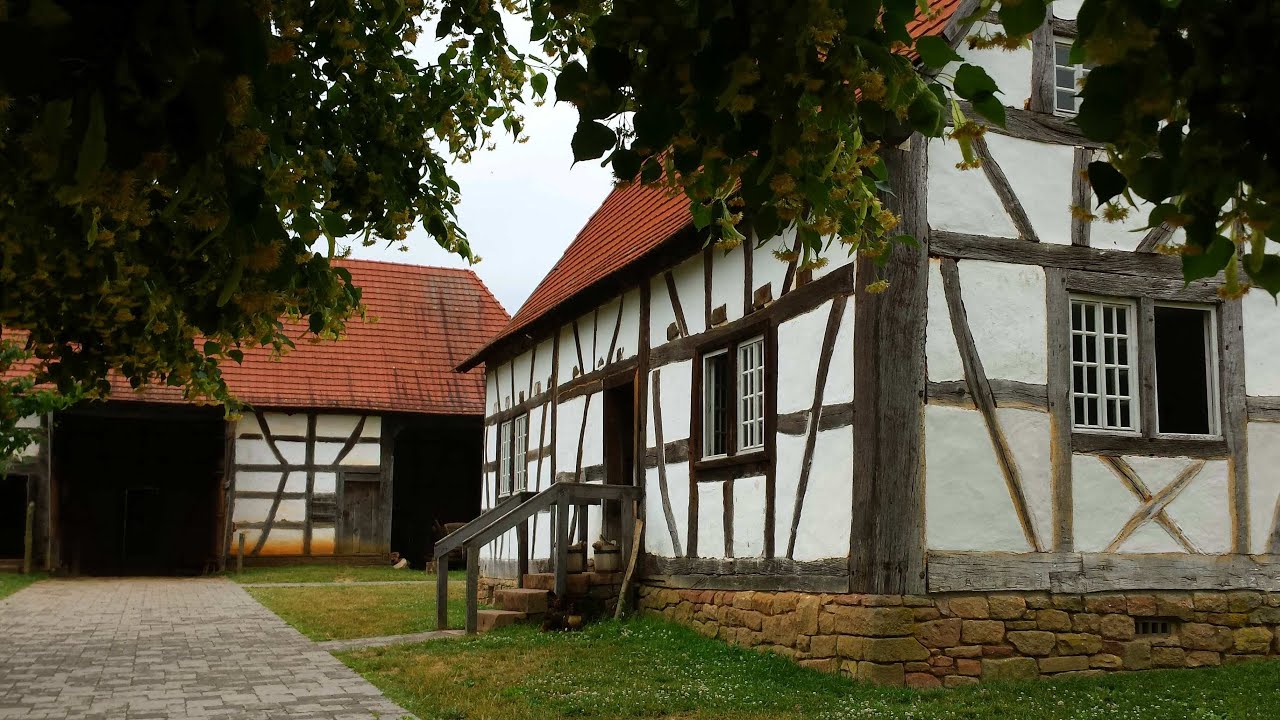
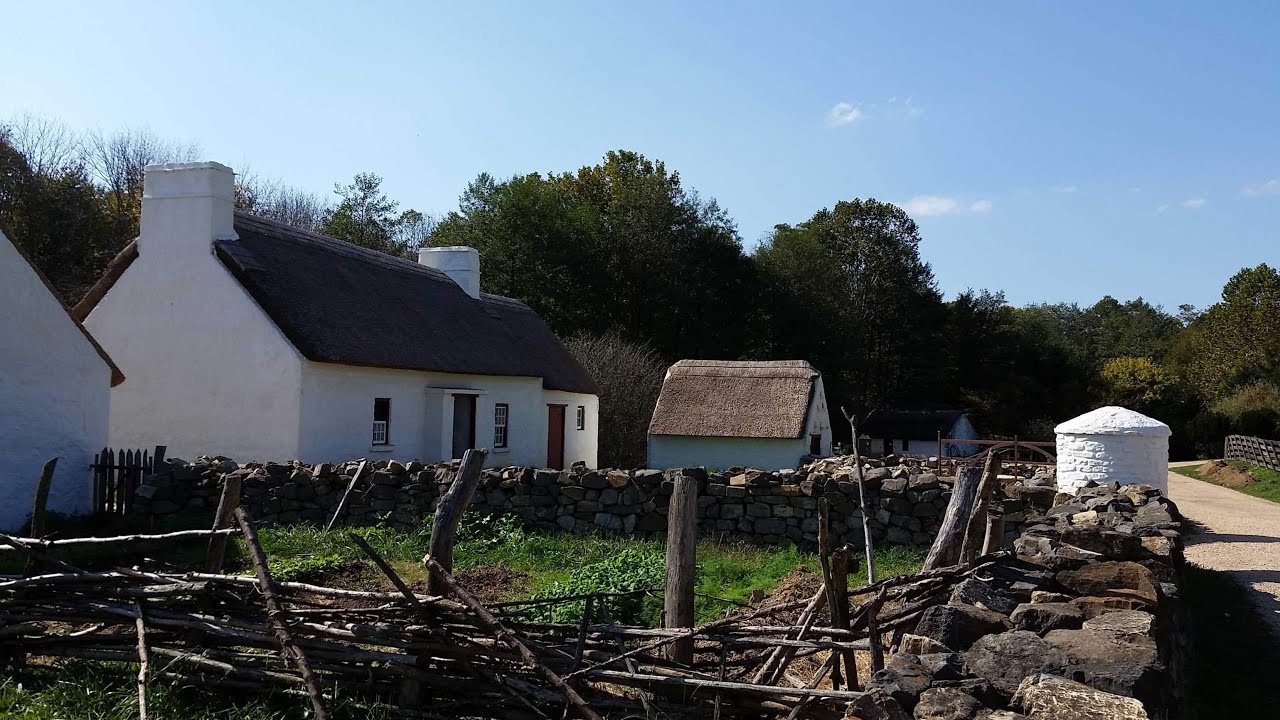
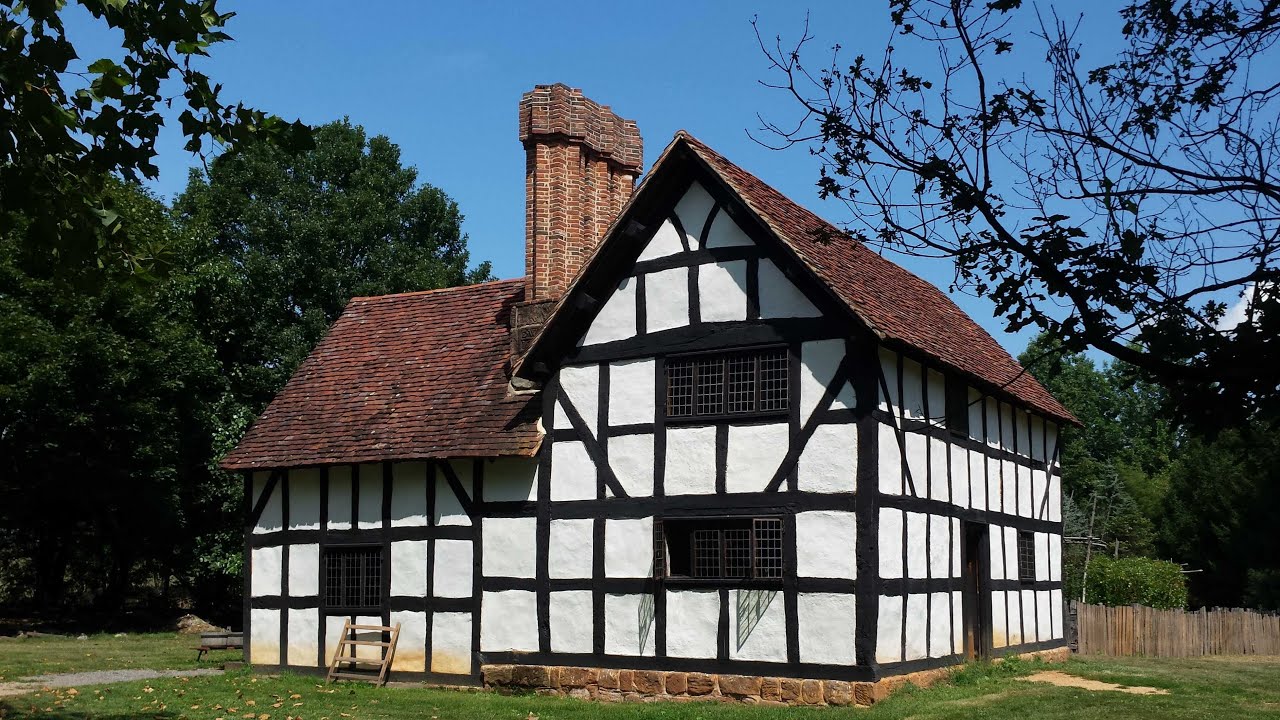
The American Indian Farm Exhibit at the Frontier Culture Museum represents how a small group of native Americans might have been living west of the Blue Ridge around 1730, or just near the beginning of European and West African settlement in the wider region. What visitors may find perplexing, but hopefully thought provoking is that no tribal designation is given to the people represented, rather they are discussed in terms of their Eastern Woodlands culture and the impact of colonial trade, disease, and territorial expansion has on their way of life. A combination of factors led the Museum to take this approach. The first is the ambiguous nature of the archaeological and historical record of American Indians in the region, which for present purposes will include the vast area that might be thought of as the middle area of the Great Appalachian Valley from what is now south central Pennsylvania, central Maryland, and western Virginia. The western reaches of this area extend into the Ohio Valley and encompass what is now south western Pennsylvania, western Maryland, all of West Virginia, and parts of eastern Kentucky. What is curious about this area is that it is very rich in archaeological evidence of human occupation from the earliest date until roughly the beginning of European contact, but there is very little evidence that the people Europeans learned to call Indians were living there to any great extent when those Europeans began to settle in it in considerable numbers roughly one hundred and twenty-five to one hundred and fifty years later. Furthermore, the identity of the people or peoples who lived in the regions for millennia and left behind such a rich archaeological record in not known with any certainty, and are now generally referred to by their archaeological labels.
As fascinating and helpful as archaeology can be, it does not necessarily help establish the true identity for the people who produced the unearthed materials. This is especially true of the area outlined above, which, for the sake of brevity, will henceforth be referred to as the Middle Appalachian region. It does not tell us with certainty if, for example, the people of the so-called Monongahela culture were the direct ancestors of the people known to Europeans and to history has the Shawnee. Archaeology can tell us with some precision where the people of Monongahela culture lived, the shape of their houses, the layout of their villages, the design and mineral composition of their pottery, the food they ate, and more, but they cannot tell us in terms meaningful to us who they were or what became of them.DSC_1071 The same is true of the so-called Lewis Creek Mound Culture found in the Museum’s more immediate geographic area. In recent years, some archaeologists and Virginia Indians have promoted the idea that the people of the Lewis Creek Mound Culture were the ancestors of the Monacans contacted by John Smith, and the modern Monacan Indian Nation.

Доступные форматы для скачивания:
Скачать видео mp4
-
Информация по загрузке: