The Dinosaur Fossil With A Beating Heart (And Museums Are Fighting Over It)
Автор: Fossil Forensics
Загружено: 2025-12-18
Просмотров: 7199
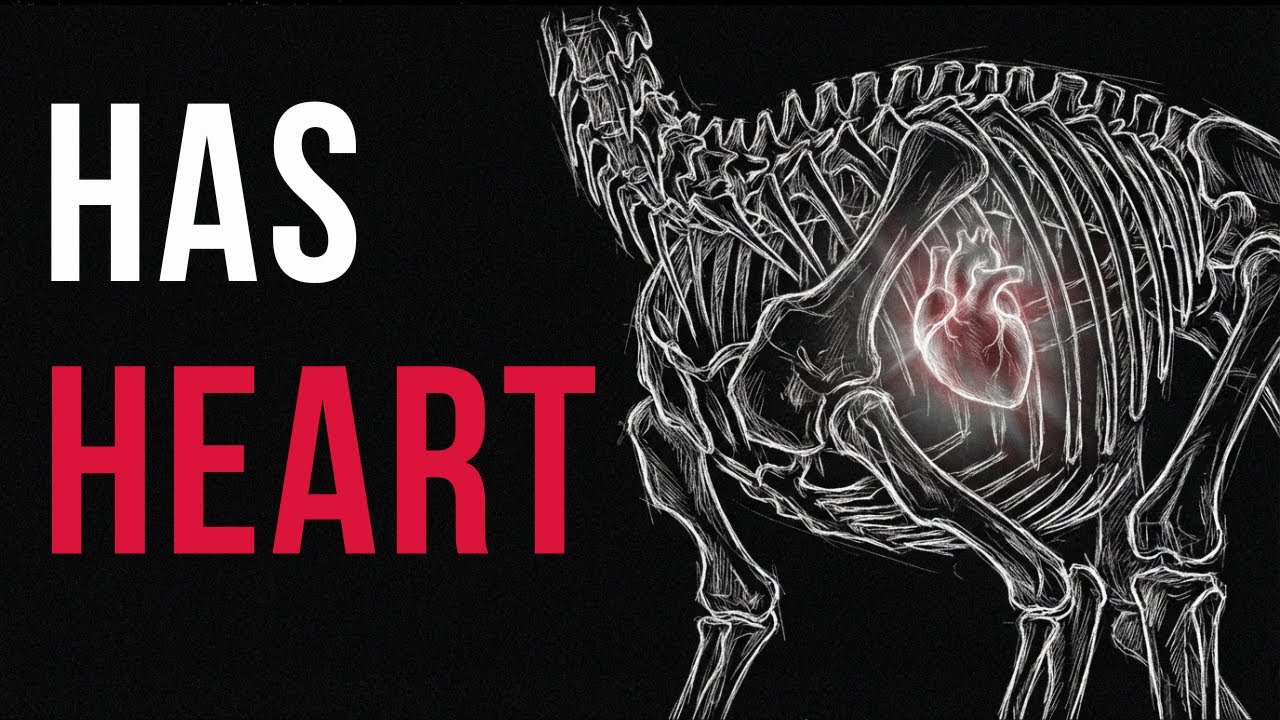
In 1993, a small dinosaur fossil nicknamed "Willo" was discovered in South Dakota with something impossible inside its chest: what appears to be a preserved four-chambered heart.
Watch Next:
The Dinosaur That Died Giving Birth (The Baby Is Still Inside) - • The Dinosaur That Died Giving Birth (The B...
The Dinosaur Mummy With Skin and Organs (Museums Won't Show You) - • The Dinosaur Mummy With Skin and Organs (M...
The Dinosaur Designs That Should Have Failed (But Somehow Didn't) - • The Dinosaur Designs That Should Have Fail...
CT scans revealed internal structures that look exactly like the heart of a bird or mammal, not a cold-blooded reptile. If real, this would prove at least some dinosaurs had warm-blooded, high-energy circulatory systems—rewriting a century of paleontology.
But here's where it gets controversial: some scientists argue the structure is just a mineral concretion that coincidentally mimics a heart's shape, not actual fossilized tissue. After 25 years of debate, there's still no consensus. And most museums? They quietly avoid displaying Willo altogether, unwilling to pick a side in a fight that could force them to rewrite every dinosaur exhibit.
This 20-minute investigation follows the discovery, the CT scans that revealed a four-chambered structure, the scientific backlash, and the institutional silence that keeps this controversy hidden from the public. Whether Willo's heart is real or not, one thing is certain: the fossil proves internal organs CAN preserve in dinosaurs, which means thousands of specimens sitting in museum storage might be hiding similar secrets.
Key Topics Covered:
Willo the Thescelosaurus fossil discovery (South Dakota, 1993)
CT scan analysis revealing four-chambered heart structure
Warm-blooded vs cold-blooded dinosaur metabolism debate
Scientific controversy: fossilized heart or mineral concretion?
Why museums avoid displaying controversial evidence
Institutional politics preventing exhibit updates
Implications for dinosaur biology and soft tissue preservation
How many other fossils might contain hidden organs
Timestamps:
0:00 - The Fossil With A Secret Inside Its Chest
2:10 - Discovery: The Dinosaur Nobody Cared About
4:40 - The Lump in the Chest: Curiosity Turns to Obsession
6:55 - Inside Willo: The CT Scan That Shouldn't Exist
10:20 - The Promise: Dinosaurs as Warm-Blooded Athletes
12:35 - The Backlash: Is It Really a Heart?
15:50 - Museums in the Crossfire: Why You Never Hear About Willo
18:25 - The Bigger Picture: Were Dinosaurs Warm-Blooded?
If Dakota proved dinosaurs can preserve skin and muscle tissue, and Willo might prove they can preserve hearts, what else are we missing in museum collections? This isn't just about one fossil—it's about whether science institutions are willing to display evidence that contradicts their existing narratives.
Sources:
2000 Science journal publication on Willo's heart structure
2011 rebuttal study arguing mineral concretion interpretation
CT scan data from North Carolina Museum of Natural Sciences
Thescelosaurus specimen records and preparation notes
Warm-blooded dinosaur metabolism research (bone histology, oxygen isotopes)
Museum curation and exhibit cost analysis
Subscribe for forensic paleontology that exposes the fossils museums don't talk about. The evidence exists. The scans exist. The displays? That's a different story.
#dinosaurs #fossils #paleontology #Willo #Thescelosaurus #dinosaurheart #warmblooded #CTscan #museum #science #fossilevidence #naturalhistory #prehistoricanimals #dinosaurdiscovery #controversy
Доступные форматы для скачивания:
Скачать видео mp4
-
Информация по загрузке: