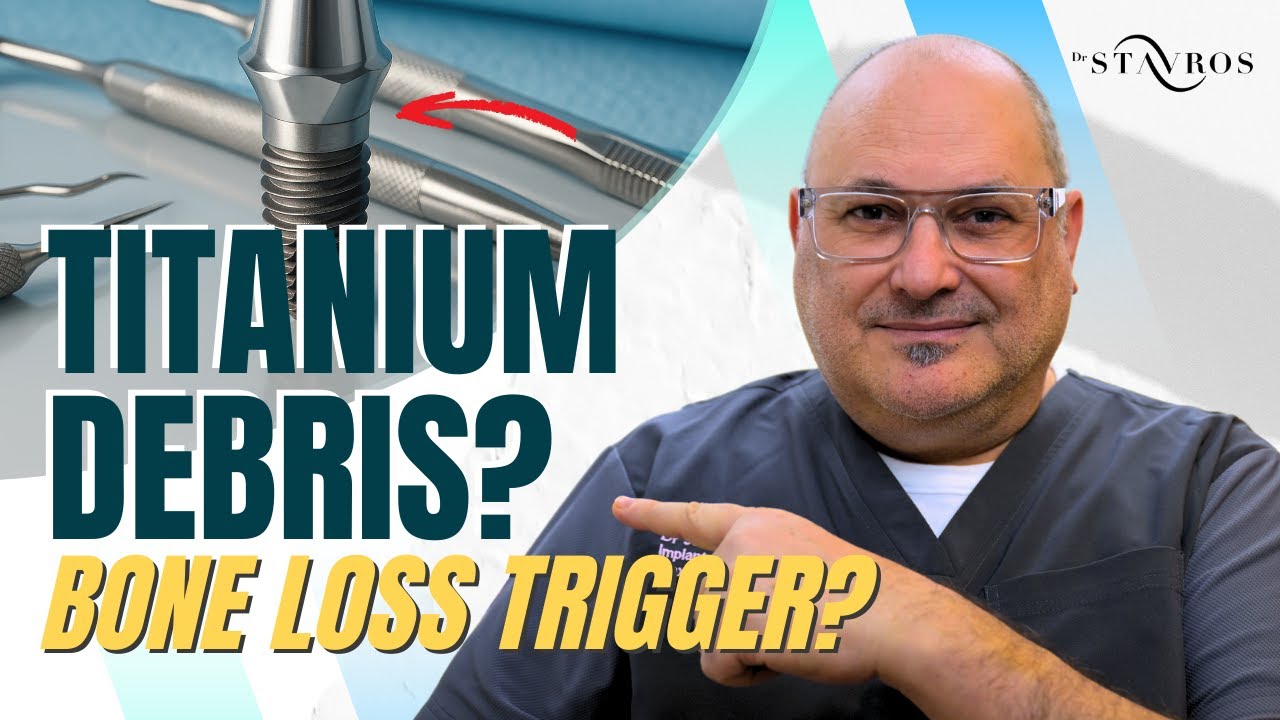
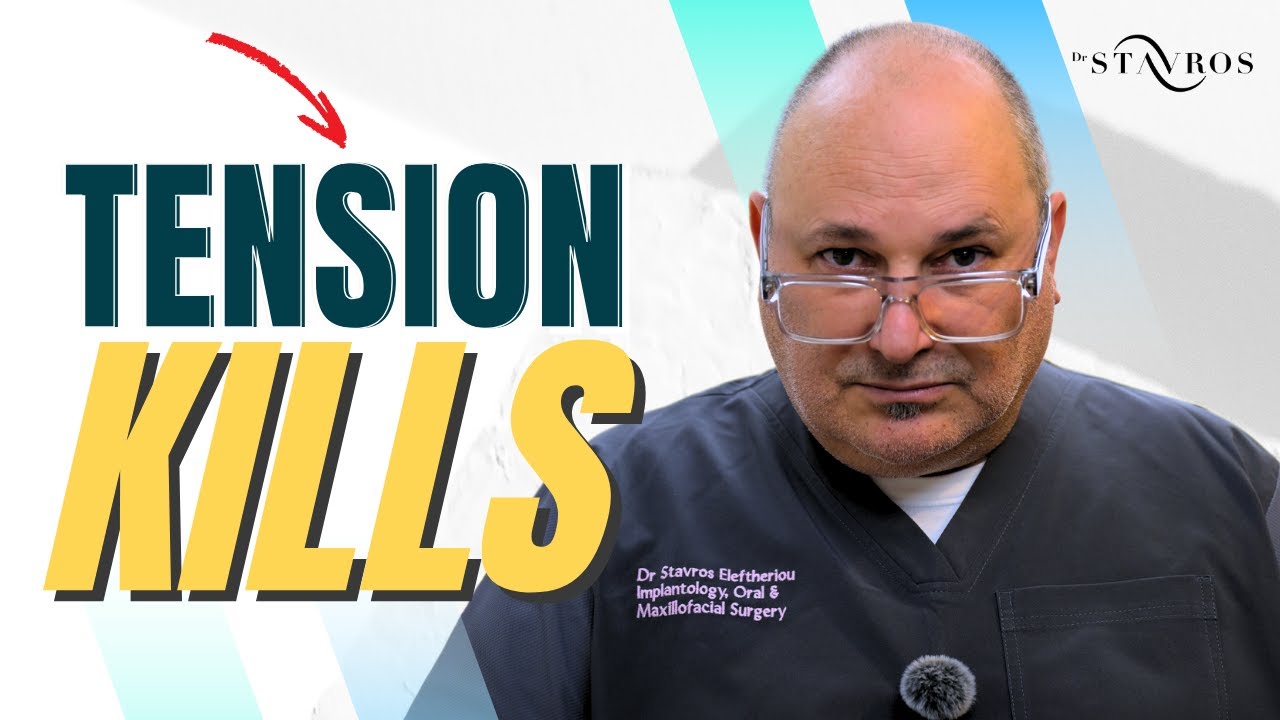
Flap Passivity: The Most Underestimated Cause of Graft Loss
Автор: Dr Stavros | Implant Mastery
Загружено: 2026-01-06
Просмотров: 178
Flap tension is one of the most underestimated causes of bone graft failure in implant dentistry.
In this video, we break down the true biology of flap passivity, why tension leads to ischemia, membrane exposure, inflammation, and infection—and why eliminating tension alone is not enough.
You’ll learn:
• Why flap tension compromises blood supply and angiogenesis
• How wound instability and micromotion damage newly formed blood vessels
• The critical difference between passivity and mobility
• Why “tension-free closure” can still fail
• How to achieve passive closure with controlled stability
This video is for implant dentists, oral surgeons, periodontists, and clinicians performing bone grafting, GBR, ridge augmentation, and immediate implant procedures who want predictable, biology-driven outcomes.
If you’re an implant dentist who wants biology-driven, complication-proof surgery, subscribe. Every week we break down one clinical problem you’ve already seen in your practice.
CHAPTER TITLES (YouTube timestamps)
00:00 – Intro - Why grafts fail silently
01:03 – How Most grafts Actually Fail
01:40 – What flap passivity really is
02:05 - First Problem: Blood Supply
02:35 – Second Problem: Wound Stability
03:10 - The Common Overcorrection
03:25 - Passivity is Not Immobility
03:43 - Why Mobility Damages Grafts
04:12 - Recap
04:30 - Where Technique Breaks Down
05:00 - What You Should Be Aiming For
05:32 - Final Resolution
#ImplantDentistry
#BoneGrafting
#GuidedBoneRegeneration
#DentalImplants
#OralSurgery
#FlapPassivity
#GraftFailure
#Angiogenesis
#SoftTissueManagement
#GBR
#ImplantComplications
#BiologicImplantSurgery
#ImplantEducation
#DentistEducation
#PeriodontalSurgery
REFERENCES:
1. Wang HL, Boyapati L. “PASS” principles for predictable bone regeneration. Implant Dent. 2006;15(1):8–17.
2. Retzepi M, Donos N. Guided bone regeneration: biological principle and therapeutic applications. Clin Oral Implants Res. 2010;21(6):567–76.
3. Sculean A, Gruber R, Bosshardt DD. Soft tissue wound healing around teeth and dental implants. J Clin Periodontol. 2014;41(Suppl 15):S6–22.
4. Tavelli L, Barootchi S, Avila-Ortiz G, Urban IA, Giannobile WV, Wang HL. Periosteal releasing incision: a systematic review. J Periodontol. 2020;91(4):1–15.
5. Buser D, Chen ST, Weber HP, Belser UC. Early implant placement following extraction: biologic rationale and procedures. Int J Periodontics Restorative Dent. 2008;28(5):441–51.
6. Schenk RK, Buser D, Hardwick WR, Dahlin C. Healing pattern of bone regeneration in membrane-protected defects. Int J Oral Maxillofac Implants. 1994;9(1):13–29.
7. Aghaloo TL, Moy PK. Which hard tissue augmentation techniques are most successful? Int J Oral Maxillofac Implants. 2007;22(Suppl):49–70.
8. Urban IA, Nagursky H, Lozada JL. Horizontal ridge augmentation using GBR: clinical and histologic outcomes. Int J Periodontics Restorative Dent. 2011;31(2):179–87.
9. Tonetti MS, Lang NP, Cortellini P. Supracrestal soft tissue attachment around teeth and implants. J Clin Periodontol. 2018;45(Suppl 20):S24–40.
10. Melcher AH. On the repair potential of periodontal tissues. J Periodontol. 1976;47(5):256–60.
11. Bosshardt DD, Stadlinger B, Terheyden H. Cell-to-cell communication in periodontal regeneration. Periodontol 2000. 2015;68(1):49–64.
12. Hämmerle CHF, Jung RE. Bone augmentation by means of barrier membranes. Periodontol 2000. 2003;33:36–53.
13. Wikesjö UM, Selvig KA. Periodontal wound healing and regeneration. Periodontol 2000. 1999;19:21–39.
14. Larjava H, Wiebe C, Gallant-Behm C, et al. Exploring scarless healing of oral soft tissues. J Can Dent Assoc. 2011;77:b18.
15. Botticelli D, Lang NP. Dynamics of osseointegration in various bone qualities. Clin Oral Implants Res. 2017;28(9):1169–77.
Доступные форматы для скачивания:
Скачать видео mp4
-
Информация по загрузке: