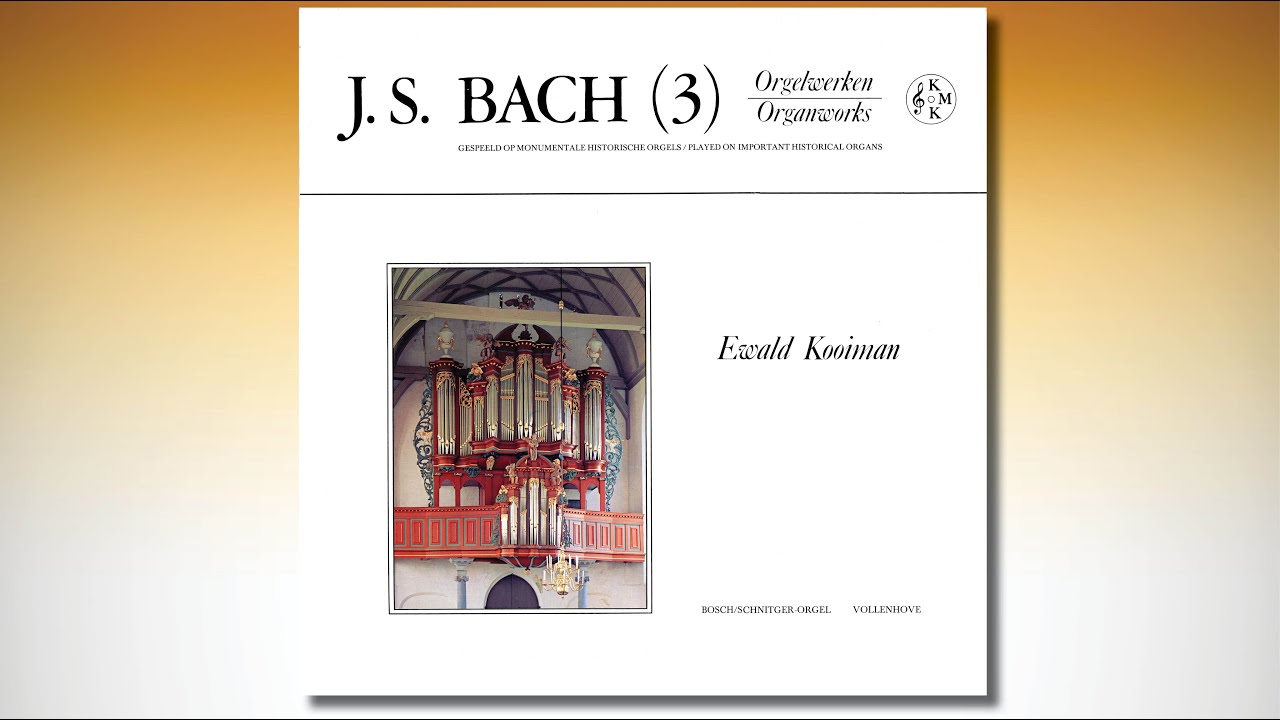
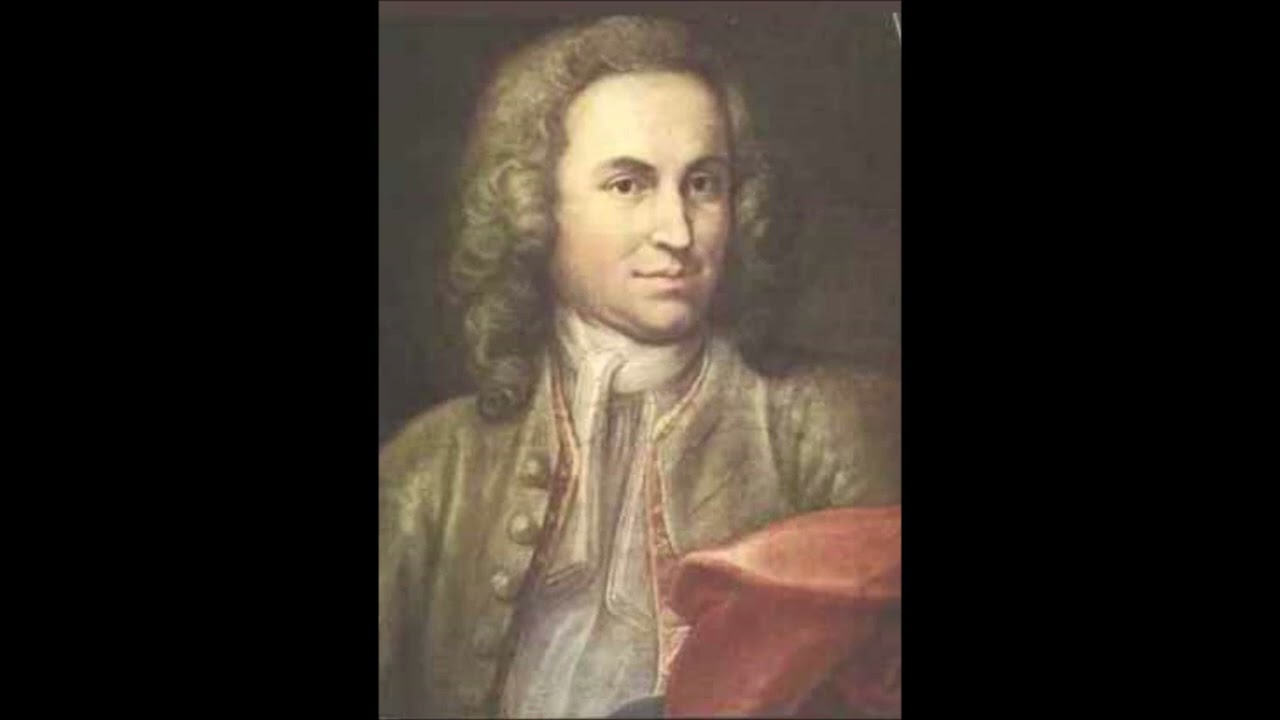
J. S. Bach: Fugue c minor BWV 906 completed by Thomas Uhlmann (the unfinished part with sheet music)
Автор: cassical1
Загружено: 2022-10-28
Просмотров: 324
(English below)
Diese Fuge sollte auf die berühmte Fantasie in c-moll BWV 906 folgen. Schon das chromatische Thema mit der ausführlichen und harmonisch kühnen Exposition (Teil A) zeigt, dass Bach ihr besondere Bedeutung zugemessen hat. Auf die Exposition folgt ein bewegtes Zwischenspiel (Teil B), auf welches ein neuer Teil mit einem neuen, völlig anders gearteten Thema folgt. Dieser Teil bleibt zweistimmig (Teil C). Nach einem weiteren Zwischenspiel, in welchem er auf die Übergreiftechnik aus der Fantasie zurückgreift, tritt das erste Fugenthema wieder ein, und danach endet das Manuskript auf einem Trugschluss.
Warum Bach die Fuge nicht vollendet hat, bleibt natürlich Spekulation. Aber vielleicht merkte er, dass die drei Themen – das Fugenthema, das erste Zwischenspiel und das zweite Thema aus dem dritten Abschnitt – nicht wirklich zusammenpassten. Eine Kombination der Themen, wie sonst bei Bachs Doppel- oder Tripelfugen üblich, war nicht möglich und somit eine geschlossenen Form sehr schwer herzustellen. Aber jedes Mal, wenn ich die Fuge spielte und auf dem Trugschluss aufhören musste, ärgerte ich mich. Ich begann mit den vorgegebenen Themen und Motiven herumzuspielen und zu experimentieren – und auf einmal wusste ich, wie man der Fuge eine sinnvolle Form geben konnte, auch ohne Kombination der Themen.
Gleich nach dem Abbruch der Bachschen Komposition leitete ich zu einem Halbschluss über, auf den eine neue Exposition mit der Umkehrung des Hauptthemas folgte (Teil A'). Diese mündet in ein Zwischenspiel, welches zunächst das Originalthema und dann Sequenzen in der schon genannten Übergreiftechnik benutzt (Teil D a/c). Auf diesen Teil folgt das gleiche bewegte Zwischenspiel wie nach dem Teil A, nur nicht in Moll, sondern in der parallelen Dur-Tonart Es-Dur (Teil B'). Es folgt eine Überleitung in das zweite Thema, das in Es-Dur beginnt, und, nachdem eine dritte Stimme dazukommt, wieder nach c-moll wechselt (Teil C'). Nach einem letzte Zwischenspiel beginnt eine letzte Durchführung des Hauptthemas abwechselnd im Original und in der Umkehrung in jeder Stimme (Teil A''), und mit zwei Orgelpunkten - auf der Dominante (mit Diminution der Umkehrung) und auf der Tonika – endet die Fuge im für Bach so typischen Dur.
Die Form im Groben lautet also: A – B – C – A' – D(a/c) – B' – C' – A'' – Coda
This Fugue was to follow the famous Fantasia in C minor, BWV 906. Even the chromatic theme with the extensive and harmonically bold exposition (Part A) shows that Bach attached special importance to it. The exposition is followed by a moving interlude (Part B), which is followed by a new part with a new, entirely different theme. This part remains in two voices (Part C). After a further interlude, in which Bach resorts to the overreaching technique of the Fantasy, the first Fugue subject reappears, and thereafter the manuscript ends on a fallacy.
Why Bach didn't finish the fugue is of course a matter of speculation. But perhaps he felt that the three themes - the fugue theme, the first interlude and the second theme from the third section - did not really fit together. A combination of themes, as is usual with Bach's double or triple fugues, was not possible and it was therefore very difficult to produce a closed form. But every time I played the fugue and had to stop on the fallacy, I got annoyed. I started playing and experimenting with the given themes and motifs - and suddenly I knew how to give the fugue a meaningful form, even without combining the themes.
Immediately after Bach's composition had been broken off, I led to a half-closure, which was followed by a new exposition with the inversion of the main theme (Part A'). This culminates in an interlude, which first uses the original theme and then sequences in the overlapping technique already mentioned (Part D a/c). This section is followed by the same moving interlude as section A, only not in the minor but in the parallel major key of E flat major (section B'). There follows a transition to the second theme, which begins in E flat major and, after a third voice has been added, switches back to C minor (section C'). After a final interlude, a final development of the main theme begins, alternating in the original and in inversion in each part (section A''), and with two pedal points - on the dominant (with diminution of the inversion) and on the tonic - the fugue ends in for Bach so typical major.
Easily speaking, the form is: A – B – C – A' – D(a/c) – B' – C' – A'' – Coda
Доступные форматы для скачивания:
Скачать видео mp4
-
Информация по загрузке: