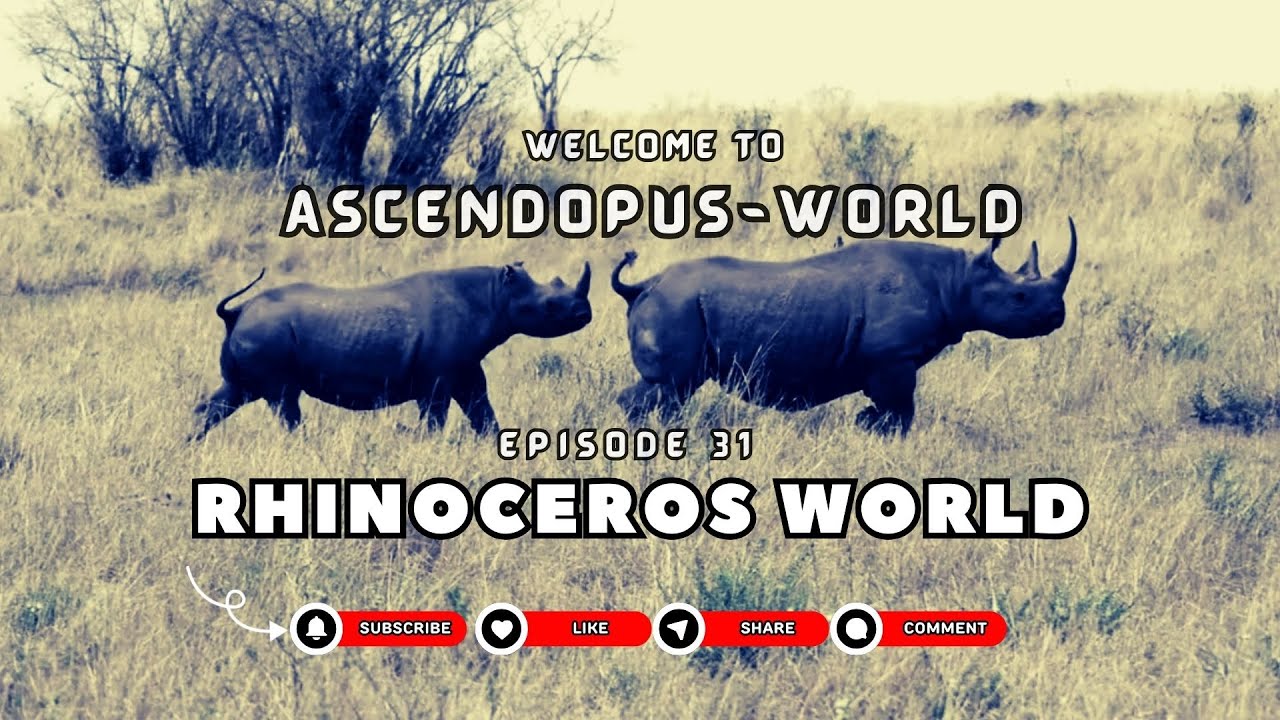
Episode 31: Creatures of Earth I Rhinoceros World I @Ascendopus-World
Автор: Ascendopus-World
Загружено: 2024-11-25
Просмотров: 45164
#nature #naturelover #naturelovers #naturevideo #earth #creature #animals #animal #wildlife #rhinoceros #Rhinoceroses
Rhinoceros: An Overview
The rhinoceros, or rhino, is a large herbivorous mammal known for its thick skin, massive size, and iconic horn. Native to parts of Africa and Asia, rhinos are divided into five species: the white, black, Indian, Javan, and Sumatran rhinoceros. Despite their strength and size, rhinos face significant threats to their survival, primarily from poaching, habitat loss, and climate change.
Physical Characteristics
Rhinos are massive creatures, with some species weighing up to 5,000 kilograms. Their skin is thick and tough, providing protection against predators and harsh environmental conditions. They have poor eyesight but a highly developed sense of smell and hearing. One of the most distinctive features of rhinos is their horn, which is made of keratin (the same material as human hair and nails). Depending on the species, rhinos may have one or two horns on their snout.
Species of Rhinoceros
White Rhinoceros: The largest species, native to southern and eastern Africa. Known for its wide, square-shaped mouth, it is primarily a grazer.
Black Rhinoceros: Smaller than the white rhino, it has a pointed, hooked-shaped mouth for browsing bushes. Found in sub-Saharan Africa.
Indian Rhinoceros: Native to the Indian subcontinent, this species has one horn and distinctive thick skin folds. It is primarily found in grasslands and floodplains.
Javan Rhinoceros: Extremely rare and found only in Indonesia, this species has fewer than 75 individuals left in the wild.
Sumatran Rhinoceros: The smallest species, covered in reddish-brown hair, found in the rainforests of Southeast Asia.
Ecological Role
Rhinos play an essential role in maintaining the structure of ecosystems. As herbivores, they help control plant growth by grazing on grass and browsing shrubs. By doing so, they prevent certain plant species from becoming too dominant and support biodiversity in their habitats. Additionally, their dung provides nutrients that sustain other wildlife.
Threats to Rhinoceros
The primary threat to rhinos is poaching for their horns, which are sold on the black market for traditional medicine and ornamental purposes. In addition to poaching, rhinos face habitat loss due to human development, such as agriculture and urbanization. Climate change also threatens their food and water sources, further reducing their already limited habitat.
Conservation Efforts
Conservation groups are working hard to protect rhinos through various strategies. Anti-poaching measures include increased patrols and surveillance in protected areas. Captive breeding programs have been implemented to help boost rhino populations, particularly for the white and Indian rhinos. Efforts to protect habitats by establishing and maintaining wildlife reserves are also crucial in safeguarding rhino populations. Additionally, raising public awareness about the dangers of poaching and the importance of rhino conservation is vital to reducing demand for rhino horn.
Conclusion
Rhinoceroses are a vital part of their ecosystems, but their future is uncertain due to poaching, habitat loss, and climate change. Continued conservation efforts, stronger anti-poaching laws, and habitat protection are essential to ensuring the survival of these magnificent creatures. With collective action, we can help protect rhinos and preserve them for future generations.
Доступные форматы для скачивания:
Скачать видео mp4
-
Информация по загрузке:


