U-Boat Crews Didn’t Fear Diving Until Batteries Became a Death Clock
Автор: War Archives Network
Загружено: 2026-01-12
Просмотров: 53
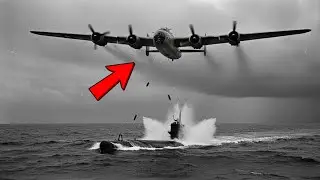
German U-boat crews weren’t afraid of diving. In the early years of the war, going deep meant safety. It meant escaping destroyers, avoiding aircraft, and disappearing into the dark Atlantic. But by 1943, diving no longer meant survival. It started a countdown.
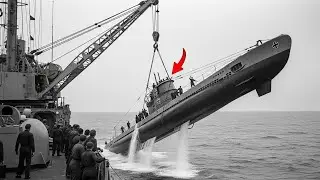
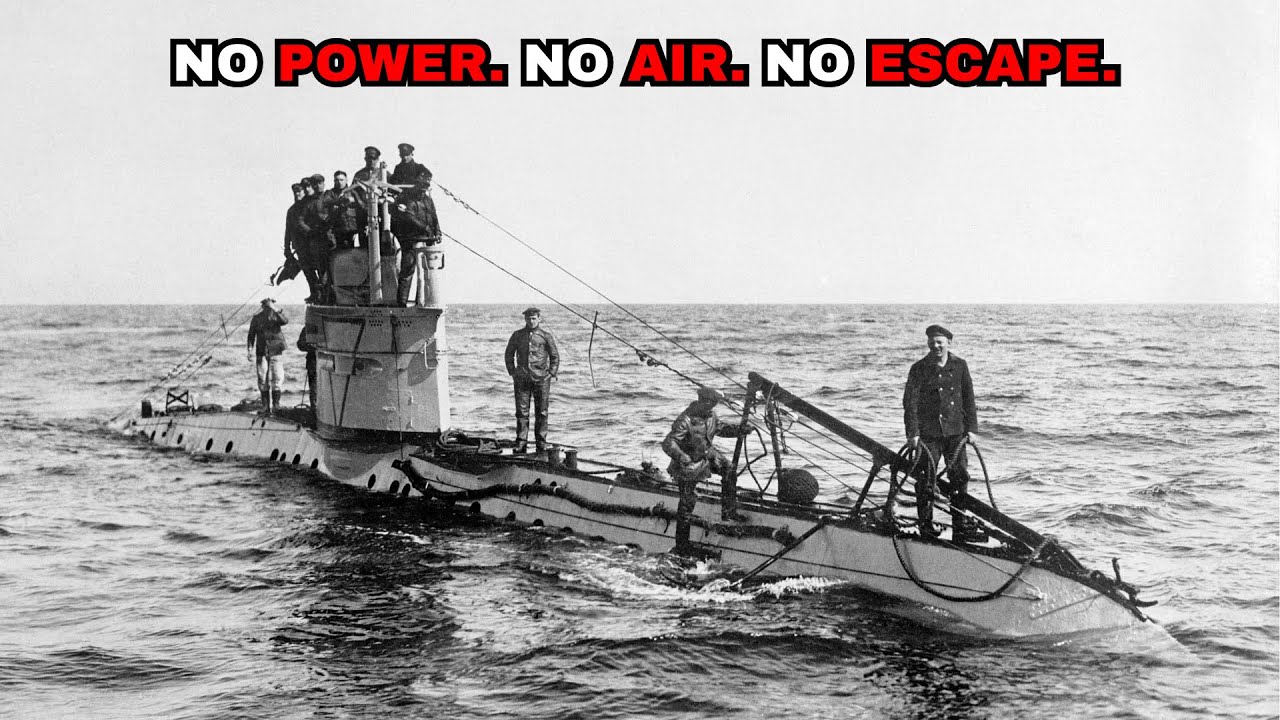
Every World War Two U-boat ran on batteries underwater. And those batteries were finite. Every hour submerged drained power needed for movement, air circulation, lighting, and control. Once the batteries ran out, a submarine didn’t just stop fighting — it became a drifting metal coffin. No propulsion. No ventilation. No way to surface unless the enemy allowed it.
This episode breaks down how battery limits quietly became one of the deadliest threats U-boat crews faced. We follow real patrols where captains were forced to choose between surfacing into enemy guns or staying submerged until the power — and air — ran out. From desperate shutdowns in freezing darkness to Allied tactics designed to simply wait submarines to death, this is the story of how physics and time defeated one of the most feared weapons of the war.
Subscribe for more WWII deep dives: @WarArchiveNetwork
Like the video if you learned something new
Comment below: Which submarine survival story should we cover next?
#ww2 #worldwar2 #uboats #submarines #navalhistory #battleoftheatlantic #history #wararchivenetwork
This video is historical storytelling based on publicly available sources. Some details may vary across accounts. For academic research, always refer to official archives and primary documents.
Доступные форматы для скачивания:
Скачать видео mp4
-
Информация по загрузке: