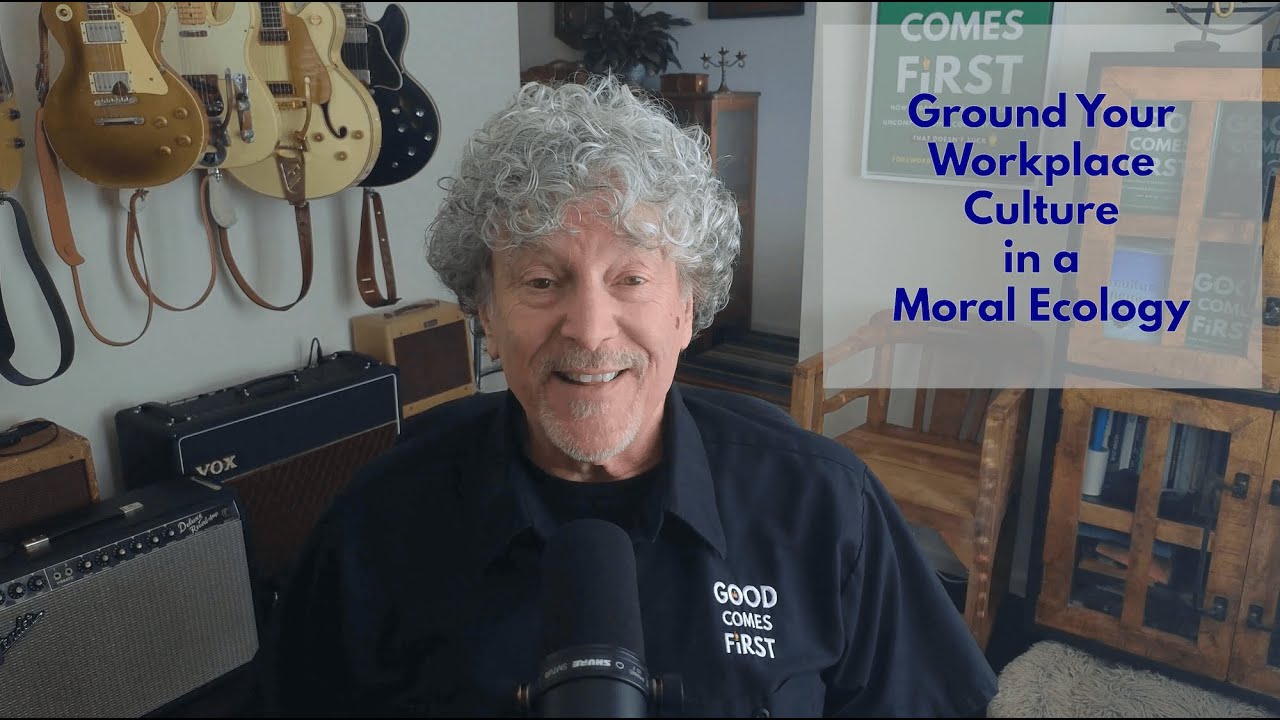
Culture Leadership Charge for SmartBrief, November 2025
Автор: The Purposeful Culture Group
Загружено: 2025-11-24
Просмотров: 84
I had the delightful experience this week of visiting with Garry Ridge, Chairman Emeritus of The WD40 Company. Garry is one of the smartest people I know about building and sustaining workplace cultures where employees thrive.
We talked about one of senior leaders’ greatest responsibilities: to know how formal leaders throughout their organization treat team members and to hold those formal leaders accountable for doing the right thing, ensuring every plan, decision, and action is good for employees, customers, and the organization.
At The WD40 Company, Garry and his leadership team created a dynamic environment of shared standards, habits, and behaviors that guided people and practices in doing the right thing every day.
I believe this dynamic environment is a perfect example of a strong moral ecology.
We first learned about moral ecology from David Brooks, a New York Times columnist and PBS NewsHour contributor. Brooks uses the term to describe how an environment of shared standards and practices shapes and reinforces ethical behavior. Brooks worked for ten years with PBS NewsHour founder and host Jim Lehrer, who created a strong moral ecology on the show. Lehrer encouraged high journalistic standards while discouraging sensationalism, typically communicating these standards indirectly with transparent facial expressions.
When clients embrace our proven approach to define, align, and refine their desired workplace culture, they create a moral ecology - a powerful ethical system of shared ideals, values, and behaviors.
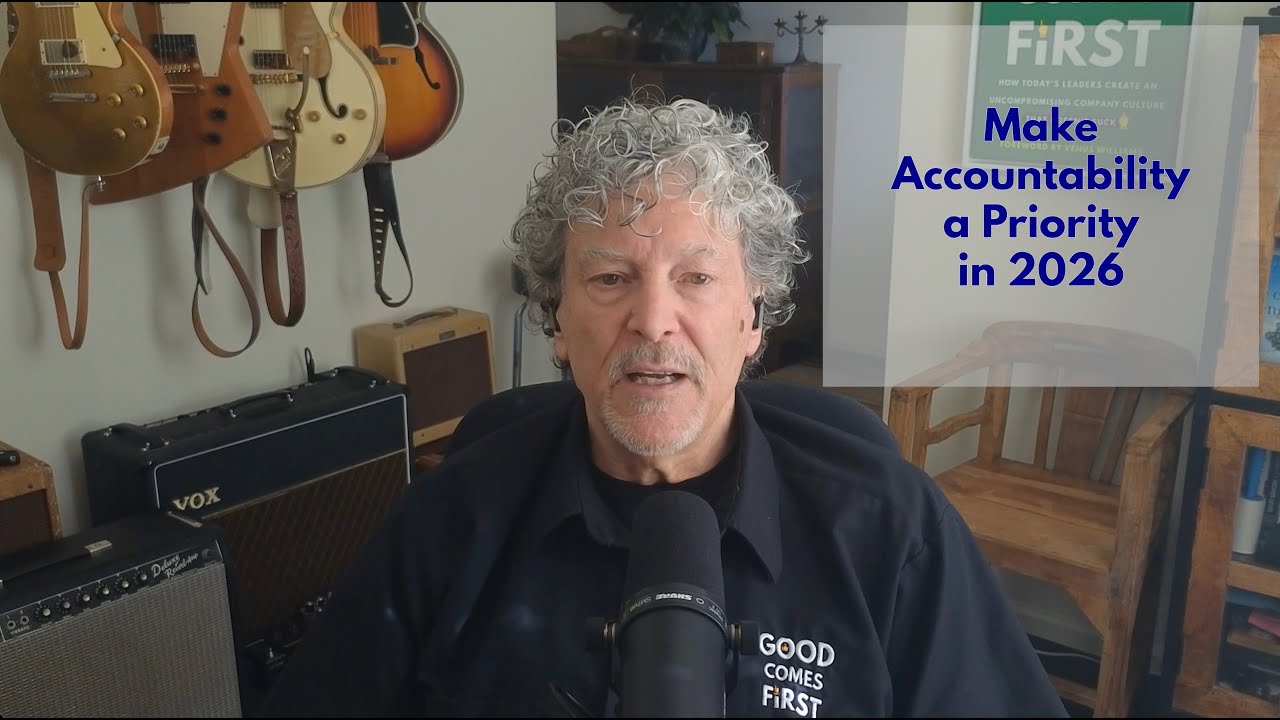
The vital lever in this system is NOT simply announcing your values and behaviors. The critical piece is holding others accountable, encouraging aligned behaviors, and redirecting misaligned behaviors from everyone (formal leaders and team members).
While Jim Lehrer was able to reinforce desired standards on the PBS NewHour with subtle facial expressions, aligning people and practices to ethical behaviors in your workplace requires a firm hand on the tiller.
When formal leaders actively validate, celebrate, and model desired behaviors, people take notice - and people embrace those standards as their own.
When formal leaders tolerate misaligned behaviors, they tacitly encourage those less-than-ethical plans, decisions, and actions. We’ve all seen the result of toleration of toxic behaviors: a work culture of fear, frustration, and fracture.
You have a choice. Formalize your ideal work culture with desired values and measurable behaviors - and hold everyone accountable to embracing those standards.
Your moral ecology will reinforce a purposeful, positive, and productive workplace culture.
Доступные форматы для скачивания:
Скачать видео mp4
-
Информация по загрузке: