Leveraging Time Series Forecasting to Predict Missing Data in Python
Автор: vlogize
Загружено: 2025-01-20
Просмотров: 5
Explore how to use Python for time series forecasting to predict and impute missing data effectively. Learn the process step by step and enhance your data analysis capabilities.
---
Disclaimer/Disclosure: Some of the content was synthetically produced using various Generative AI (artificial intelligence) tools; so, there may be inaccuracies or misleading information present in the video. Please consider this before relying on the content to make any decisions or take any actions etc. If you still have any concerns, please feel free to write them in a comment. Thank you.
---
Leveraging Time Series Forecasting to Predict Missing Data in Python
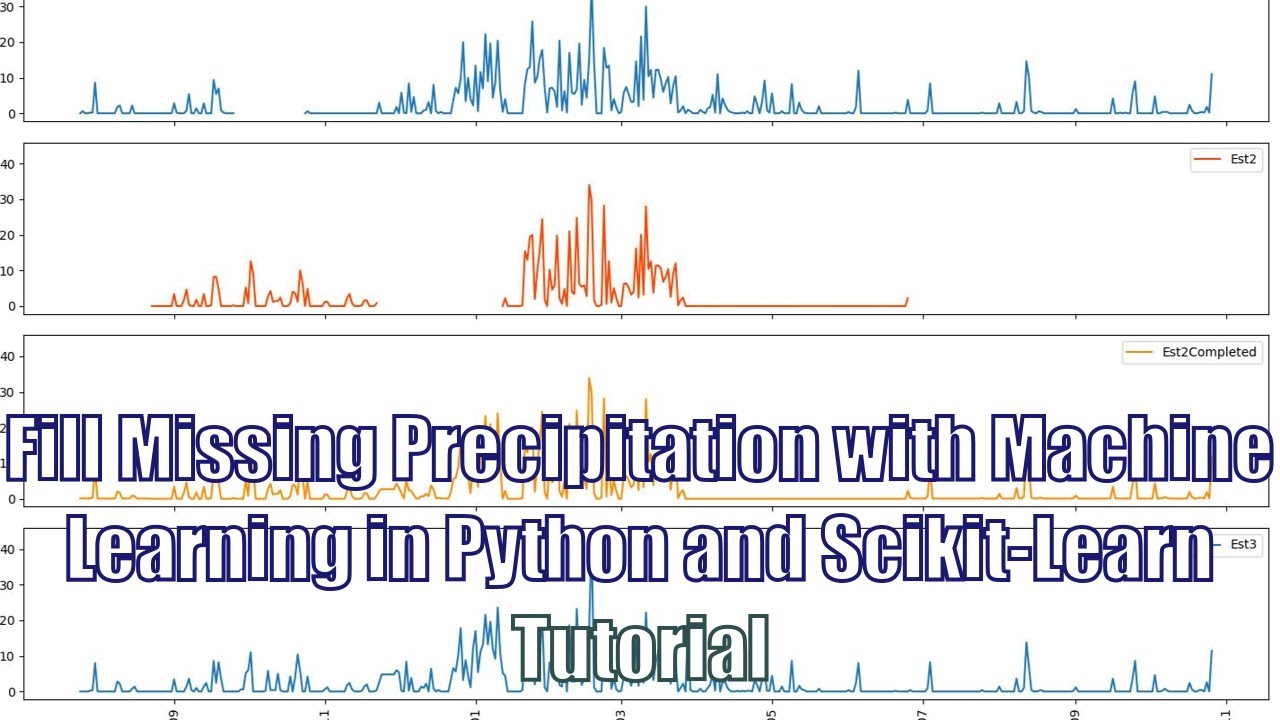
In the realm of data science, handling missing data is a critical task. Time series data, which is inherently sequential and often time-dependent, is no exception. In this post, we will discuss how you can use time series forecasting to predict and impute missing data using Python.
Understanding Time Series Forecasting
Time series forecasting involves predicting future values in a series based on already observed past values. It is widely applied in various domains like weather forecasting, stock market analysis, and sales prediction. Tools and methods such as ARIMA (AutoRegressive Integrated Moving Average), Prophet, and Long Short-Term Memory (LSTM) neural networks are commonly used for these purposes.
Importance of Imputing Missing Data
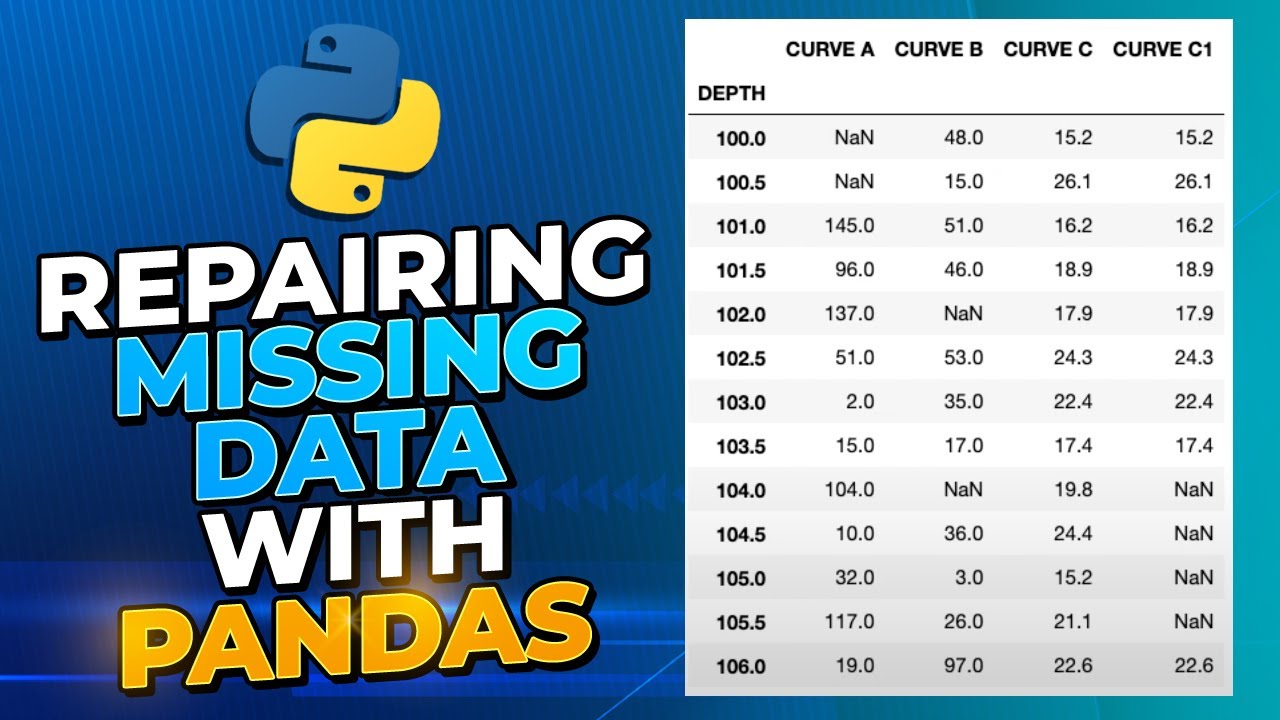
Missing data can significantly degrade the performance of models and analyses. In time series data, missing values can occur due to various reasons like sensor failures or irregular data collection intervals. Imputing, or filling in, these missing values helps in retaining the integrity and usefulness of the dataset.
Imputation Techniques
Several techniques can be employed to impute missing values in time series data:
Linear Interpolation: Simple yet effective, linear interpolation fills in missing data by computing a straight line between known values.
Moving Average: This method uses the average of neighboring data points to estimate missing values.
Time Series Models: Techniques like ARIMA or Prophet can be used to forecast missing values based on the observed patterns in the data.
Using Python for Imputation
Python offers a rich set of libraries for handling time series forecasting and imputation, such as pandas, numpy, and statsmodels. Here’s a simple guide to get you started.
Step 1: Import Required Libraries
[[See Video to Reveal this Text or Code Snippet]]
Step 2: Load Your Data
Assuming you have a time series dataset:
[[See Video to Reveal this Text or Code Snippet]]
Step 3: Handling Missing Data
Check for missing values:
[[See Video to Reveal this Text or Code Snippet]]
Step 4: Fit a Time Series Model
For example, using ARIMA to forecast missing values:
[[See Video to Reveal this Text or Code Snippet]]
Step 5: Forecast Missing Values
If missing values are at specific positions, use the model to fill these values:
[[See Video to Reveal this Text or Code Snippet]]
Conclusion
Imputing missing values in time series data using forecasting methods can significantly improve your dataset’s quality and the performance of any subsequent analyses or models. Python, with its robust libraries and straightforward syntax, makes this process efficient and manageable.
By implementing these steps, you can ensure that your time series data retains its value and continues to provide insightful information.

Доступные форматы для скачивания:
Скачать видео mp4
-
Информация по загрузке: