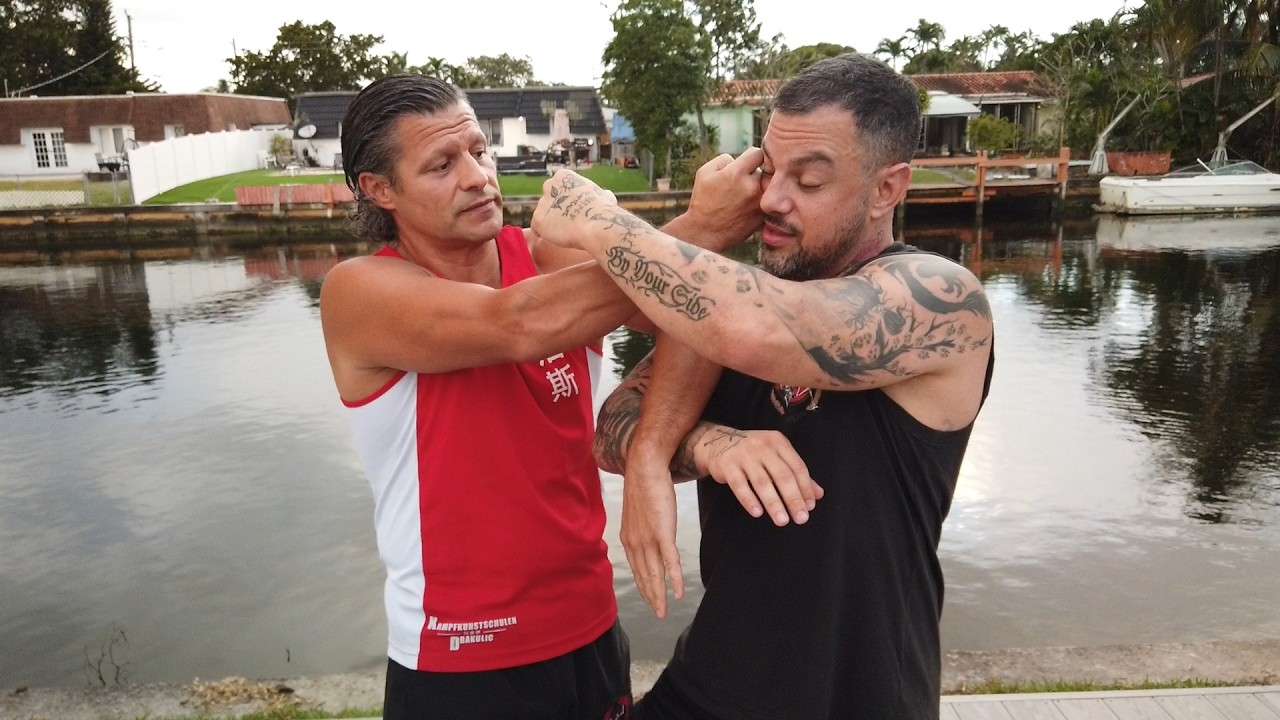
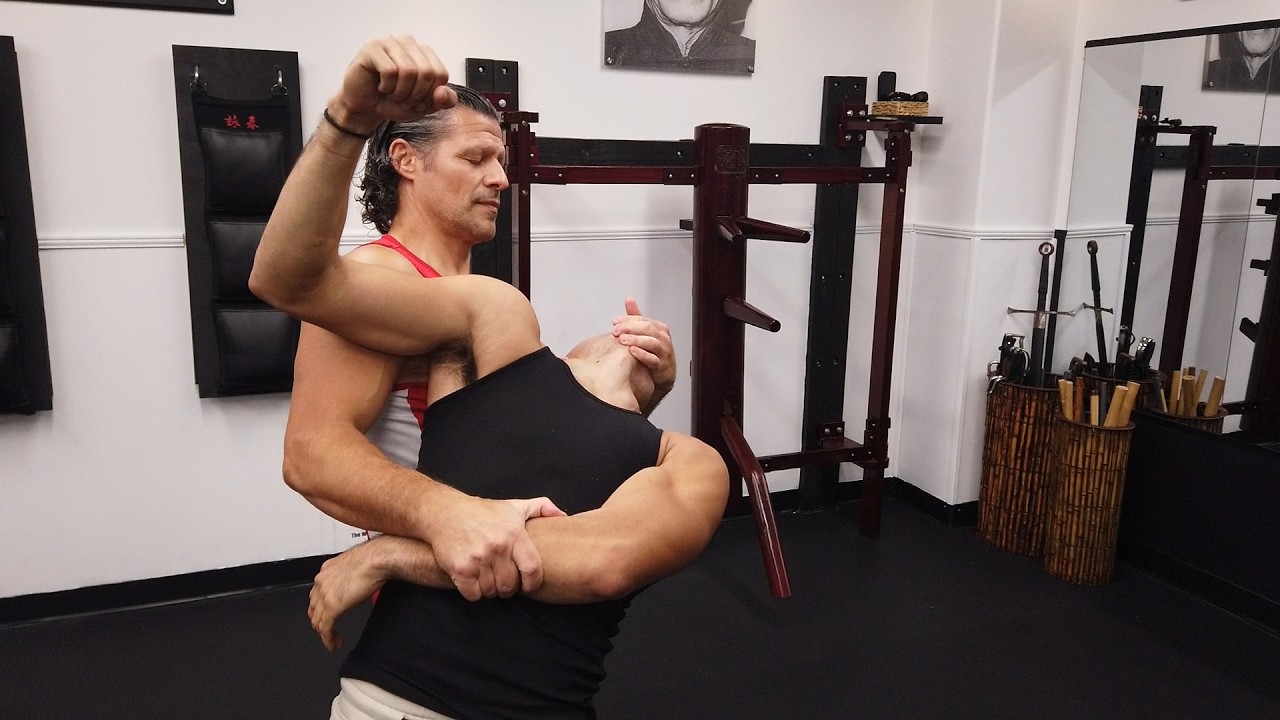
Takedown with Wing Chun Footwork
Автор: MY VLMA
Загружено: 2025-01-16
Просмотров: 5684
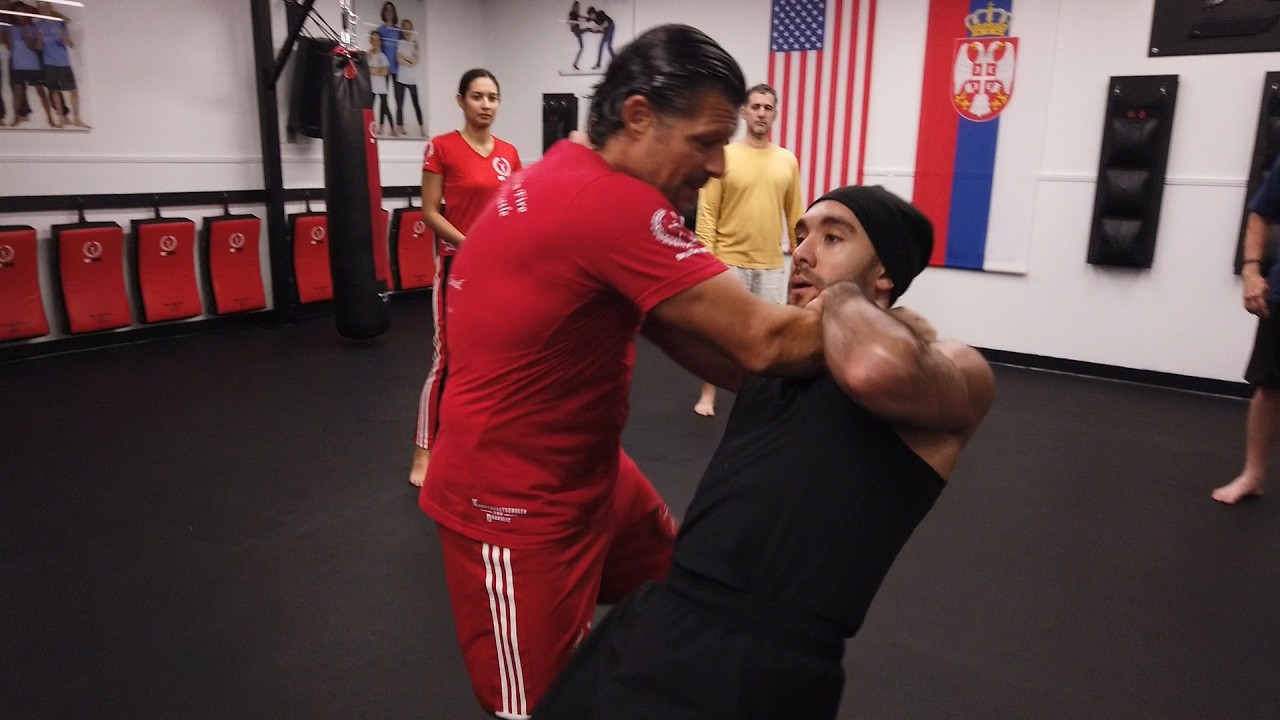
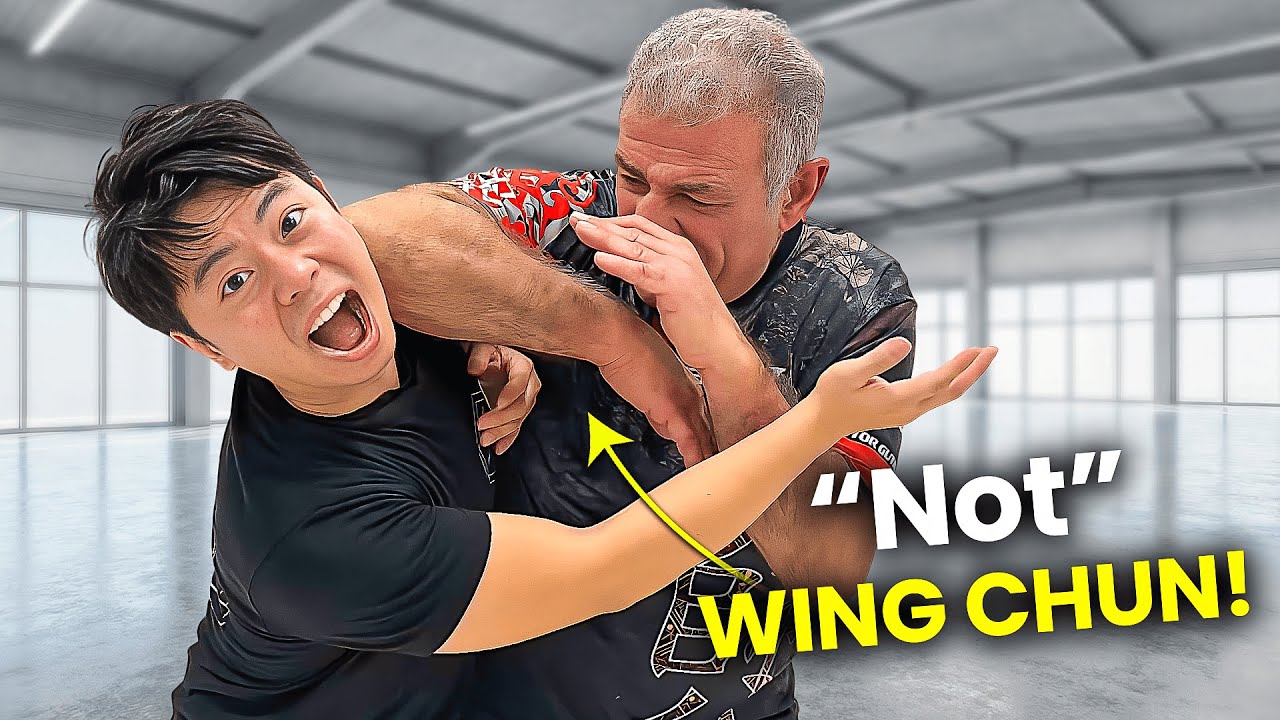
In Wing Chun, the Chum Kiu form (the second form in the system) introduces movements and principles that support takedowns. While Wing Chun is traditionally a stand-up close-range fighting system, it incorporates techniques to destabilize and control an opponent’s structure, leading to effective takedowns. These principles are embedded in the Chum Kiu form through movements that emphasize bridging gaps, disrupting balance, and applying force strategically.
Key Takedown Concepts in Chum Kiu
1. Bridging and Control:
• Chum Kiu focuses on bridging the gap between you and your opponent, using techniques like tan sau (palm-up block), fook sau (controlling hand), and lap sau (pulling hand) to manipulate their structure.
• Once the bridge is established, takedowns are achieved by controlling the opponent’s centerline and balance.
2. Turning and Rotation (Torquing Power):
• The Chum Kiu form emphasizes body rotation through turning stances (e.g., Chuen Ma or turning horse). These movements generate torque, which can unbalance an opponent.
• For example, while controlling their arm, a sudden turn can pull the opponent off balance, setting up a sweep or trip.
3. Lowering and Dropping Techniques:
• “Chum Kiu” translates to “searching for the bridge,” but it also implies “sinking the bridge,” representing techniques to lower your stance or drop your weight to control an opponent’s balance.
• Movements like gum sau (pressing hand) and chan sau (circling hand) can be used to push an opponent’s structure downward, making them susceptible to sweeps or trips.
Takedown Techniques Inspired by Chum Kiu Movements
1. Press-and-Sweep (Gum Sau with Footwork):
• Use gum sau to press or trap your opponent’s arm while stepping into their space.
• Combine this with a low sweep (bai gerk or inside leg hook) to disrupt their base and take them down.
2. Pull-and-Twist (Lap Sau with Turning Horse):
• Use lap sau to pull the opponent forward and off balance.
• Simultaneously apply Chuen Ma (turning stance) to add torque, unbalancing them further.
• A follow-up sweep or leg trip can complete the takedown.
3. Elbow-and-Sink (Jik Chong with Drop):
• In Chum Kiu, the elbow strike (jik chong) can be combined with a forward step and drop in stance to crash into the opponent’s structure.
• This movement destabilizes them, making a takedown or a forward push easy to execute.
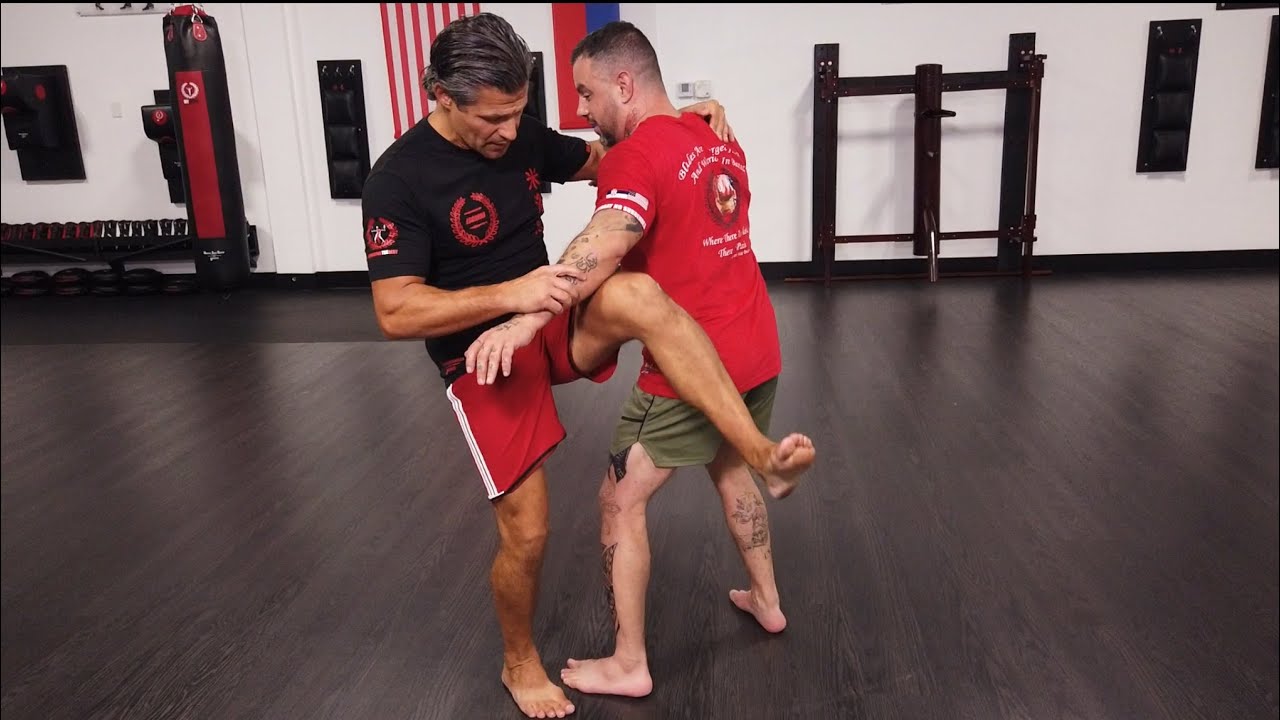
4. Leg Obstruction (Kicking Movements in Chum Kiu):
• Chum Kiu introduces leg movements, such as sidekicks or obstructions to an opponent’s knee or shin.
• These movements can destabilize their stance or cause them to collapse if combined with upper-body control.
Key Principles for Wing Chun Takedowns
• Economy of Motion: Wing Chun takedowns are efficient and compact, relying on minimal but precise movements.
• Maintain Your Balance: The rooted stances in Chum Kiu ensure you stay stable while executing takedowns.
• Control the Centerline: Effective takedowns often stem from controlling the opponent’s centerline and structure.
• Sensitivity (Chi Sau Application): Skills developed in Chi Sau (sticking hands) help you feel and exploit your opponent’s balance and weaknesses during takedowns.
https://www.my-vlma.com
Доступные форматы для скачивания:
Скачать видео mp4
-
Информация по загрузке: