How Velvet Changed History Forever!
Автор: One Fashion Question
Загружено: 2025-07-11
Просмотров: 1218
Velvet, the sumptuous fabric known for its softness, depth, and sheen, has had a profound impact on history, culture, and fashion. Far beyond being a luxurious textile, velvet’s journey weaves through the threads of art, politics, economics, and social status, fundamentally shaping societies across centuries.
Velvet’s origins trace back to ancient times, with early evidence of velvet-like textiles found in the Middle East and Asia. Its complex weaving technique—producing a dense pile of cut threads—made it both rare and expensive. During the Middle Ages, velvet became a symbol of nobility and wealth. European royalty and the aristocracy prized velvet garments, often richly dyed with colors such as deep reds, purples, and blues, which were expensive to produce. The fabric’s tactile richness was not just a matter of comfort but a visual and social statement: wearing velvet declared status, power, and prestige.
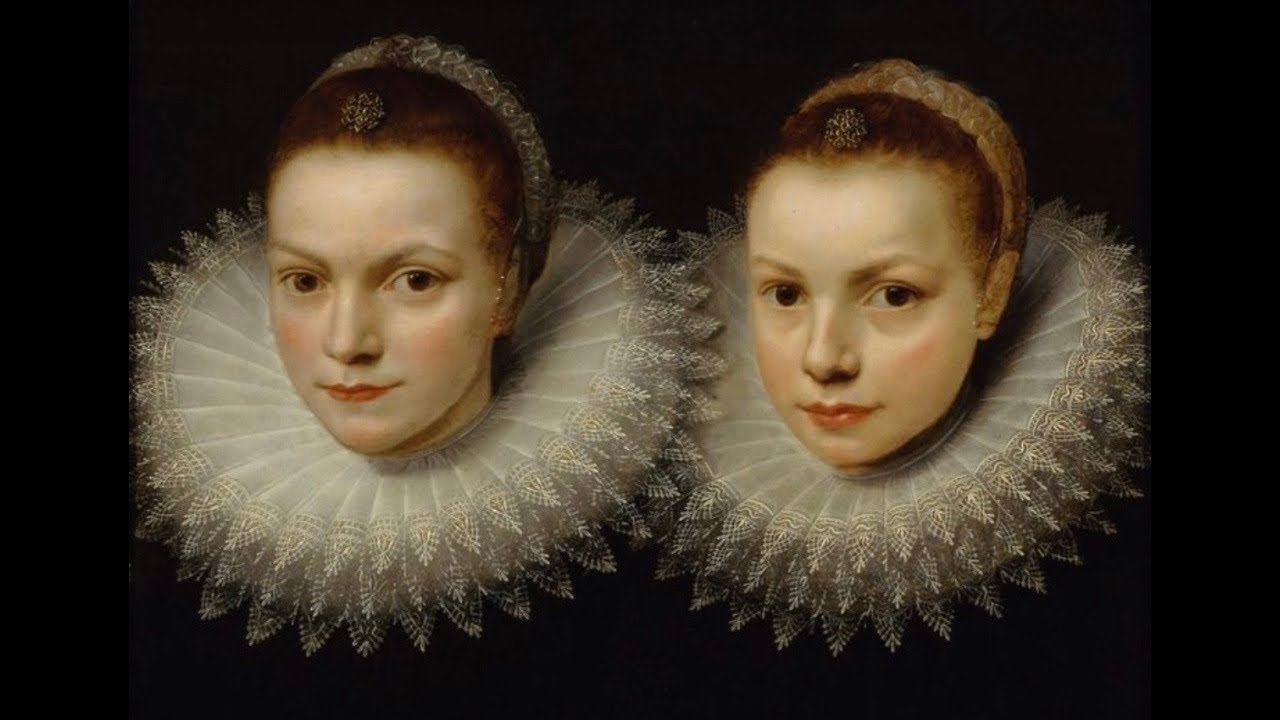
The Renaissance period marked a golden age for velvet production, especially in Italian cities like Florence and Venice. Velvet workshops flourished, creating exquisite pieces that were in demand across Europe. The fabric was often embroidered or adorned with gold and silver threads, jewels, and intricate patterns. This opulence was tied to the Renaissance ideals of beauty, craftsmanship, and the celebration of human achievement. Velvet garments became an essential part of court attire, influencing not only fashion but also art, as painters frequently depicted velvet textures to convey luxury and importance.
Velvet’s significance went beyond fashion. It played a role in the economics of trade and the politics of power. The production of velvet was labor-intensive and required skilled artisans, making it an important industry that supported many communities. Cities known for velvet manufacturing gained wealth and influence, with trade routes established to distribute the fabric worldwide.
Furthermore, velvet often served as diplomatic gifts, used to forge alliances or demonstrate goodwill between rulers. The choice of velvet, with its associations of luxury and status, was deliberate and strategic, reinforcing political hierarchies and cultural connections.
Velvet and Social Change
Despite its association with the elite, velvet eventually trickled down through social classes and evolved in its cultural meanings. By the 19th and 20th centuries, velvet was incorporated into more accessible fashion and interior design. It became emblematic of sophistication but also of romanticism and artistic expression.
In the 1960s and 1970s, velvet saw a resurgence in popular culture, embraced by musicians, artists, and countercultural movements. Velvet jackets and dresses became symbols of rebellion against conventional norms, turning the fabric from an aristocratic marker into an emblem of individualism and creativity.
Today, velvet continues to captivate designers and consumers alike. Modern technology has made velvet more affordable and versatile, appearing in everything from haute couture to casual wear and home décor. Its tactile appeal and visual depth keep it relevant, bridging tradition and innovation.
Moreover, velvet’s historical legacy is preserved in museums, fashion archives, and art, reminding us how a fabric can influence identity, culture, and even politics.
Velvet’s impact on history is a testament to how material culture shapes human experiences. From the courts of Renaissance princes to the stages of rock stars, velvet has symbolized power, passion, and transformation. Its luxurious texture is more than just a tactile pleasure—it is a fabric woven into the very fabric of human history, changing how we express status, creativity, and social belonging. In every fold of velvet lies a story of art, commerce, and society, making it a timeless emblem of change and continuity.
_____
Subscribe to this channel:
/ @fashionquestion
Contact me: altum.vintage@gmail.com
_____
Disclaimer: The images and videos used in this video are not owned or created by One Fashion Question.
All the videos, images and musics used in this video belong to their respective owners and this channel does not claim any right over them.Copyright Disclaimer under section 107 of the Copyright Act of 1976, allowance is made for “fair use” for purposes such as criticism, comment, news reporting, teaching, scholarship, education and research.Fair use is a use permitted by copyright statute that might otherwise be infringing.
_____
#fashionhistory #fashion #velvet
Доступные форматы для скачивания:
Скачать видео mp4
-
Информация по загрузке: