Biotic Resources of Ethiopia
Автор: Tutor
Загружено: 2023-12-28
Просмотров: 919
Biotic resources are living organisms in an ecosystem.
Producers (include all green plants)
Consumers (include all animals
Decomposers (include bacteria and fungi).
Natural Vegetation of Ethiopia
Natural vegetation influenced by altitude, climate, soil type, and drainage.
Distribution of natural vegetation correlated with altitude, rainfall, and temperature.
Lowlands have harsh environments with xerophytic plants, while highlands have diverse tree stands and forests.
The distribution of natural vegetation is influenced by these factors.
Ethiopia's natural vegetation is categorized into four main types:
Afroalpine and sub-Afroalpine
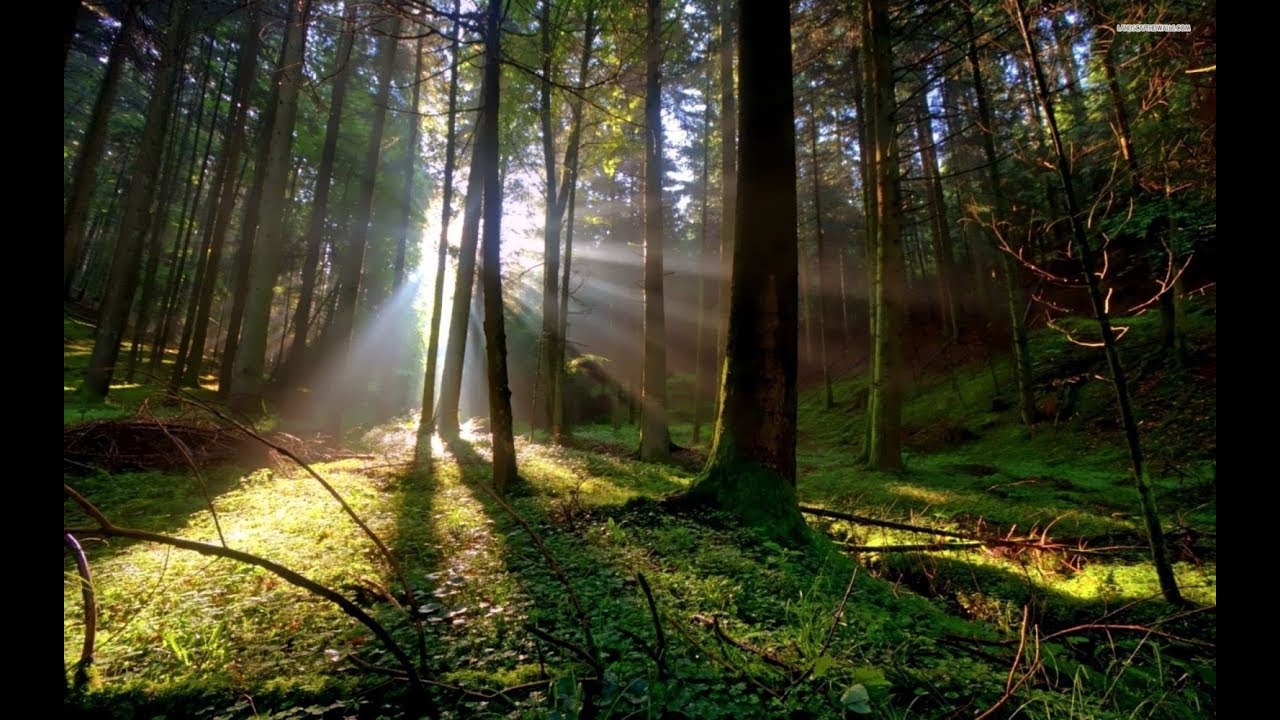
Forests
Woodland savanna
Semi-desert and desert vegetation
A. Afroalpine and Sub-Afroalpine
High mountain vegetation, also known as Afroalpine vegetation
Found at high altitudes in Ethiopia, particularly in the Highlands of Semein and the Highlands of Bale.
Afroalpine vegetation includes tussock grasslands, serules, scattered mosses, and lichens.
Sub-afroalpine vegetation is dominated by woodland scrubs.
Gibra and Asta are the dominant plant species in this region of natural vegetation.
B. Forests
Found in altitudes ranging from 450-3300m
Annual rainfall between 200-2200mm.
Variations in the formation of highland and lowland forests, which have distinct characteristics due to altitudinal zonation.
Highland forests
Grow between 1500-3300m altitude
Kerkha, Tid, Zigba, Woira, and Kosso.
Lowland forests
known as gallery/riverine forests
Grow along the banks of rivers like Awash, Wabe Shebelle, and Genale, where moisture is available.
Sholla and Warka are the predominant trees
Baphia forests
dominate in areas with an annual rainfall exceeding 500mm.
C. Savanna Woodland
Savanna woodlands are grass mixed with scattered trees, shrubs, and bush lands found in highland and lowland areas in Ethiopia.
They consist of Juniperious woodlands, Acacia woodlands, and mixed deciduous woodlands.
Savanna grasslands experience marked seasons and are dominant at lower elevations and drier climates.
In areas with more than 1000mm mean annual rainfall, they can form attractive park-like areas with acacia, wild fig, sycamore, and kosso trees.
D. Semi-desert and Desert Vegetation
Xerophytic vegetation, including short acacia, thorn bushes, succulent plants, and rough grasses, dominates drought-resistant vegetation in Ethiopia's Eastern, Northwestern, and Southeastern Lowlands, found in areas with annual rainfall below 600mm and prolonged drought.
Main Kinds of Wildlife of Ethiopia
Ethiopia’s great environmental diversity in relief, climate and natural vegetation, the country is believed to be very rich in all kinds of wildlife.
Ethiopia has about 277 species of mammals and 862 species of birds, 201 reptile species and 63 amphibian species.
7 species of mammals and 25 species of birds are endemic to Ethiopia.
These wild animals are found in many parts of the country, but they are largely concentrated in the south and western parts.
Ethiopia's wild animals can be categorized into six groups:
Common wild animals: Common wild animals are found in many places
Game animals: game animals are found in grasslands and rainforests.
Arboreal animals: colobus monkeys and apes, are found in the rainforest
Aquatic animals: Aquatic animals live in lakes and rivers
Birds: found in rift valley sanctuaries and forest lands
Endemic animals:rare and at risk of extinction
Walia Ibex, Mountain Nyala, Gelada baboon, Menilik's Bushbuk, Swayne's Hartebeest, Semein Fox, and Wild Ass
Доступные форматы для скачивания:
Скачать видео mp4
-
Информация по загрузке:









![Resources Under Pressure በጉዳት ላይ ያሉ የተፈጥሮ ሀብቶች ምንድን ናቸው?[U3L2] @alisprings](https://imager.clipsaver.ru/I5FWXhWvvCQ/max.jpg)