Northern Fujian Bamboo Bow and Arrow Tradition
Автор: Tea Serpent
Загружено: 2018-01-28
Просмотров: 248623
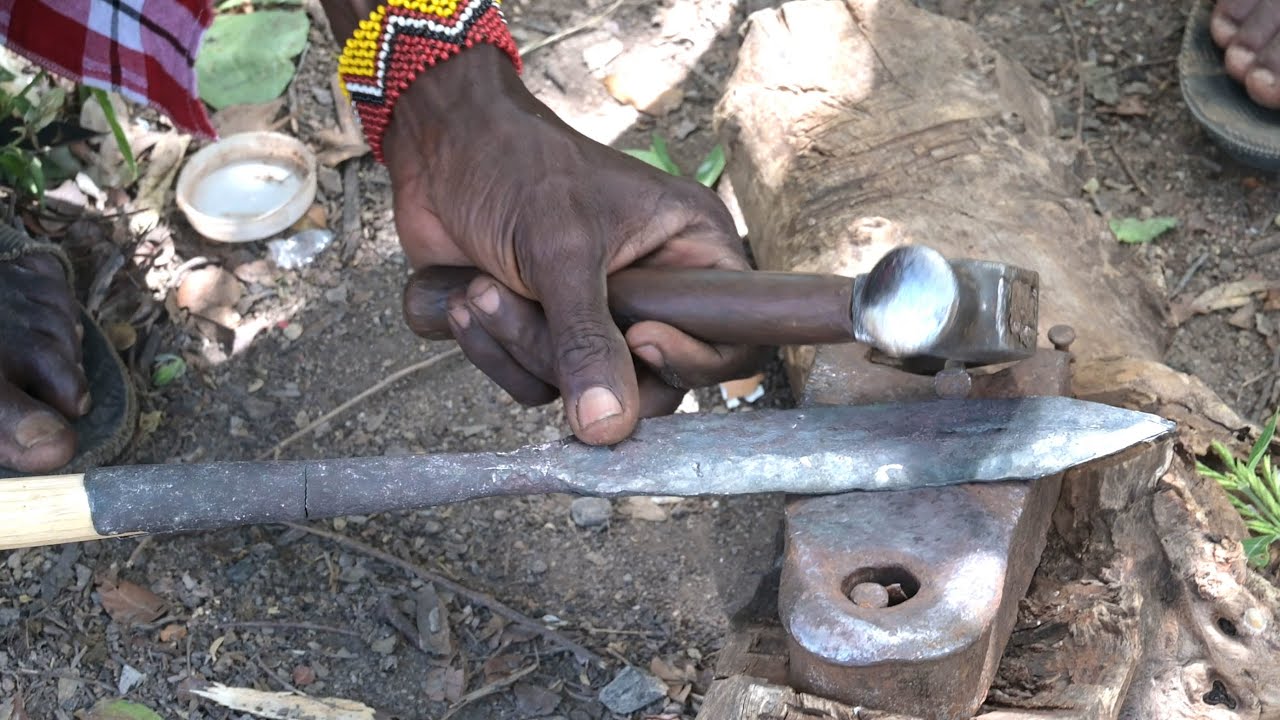
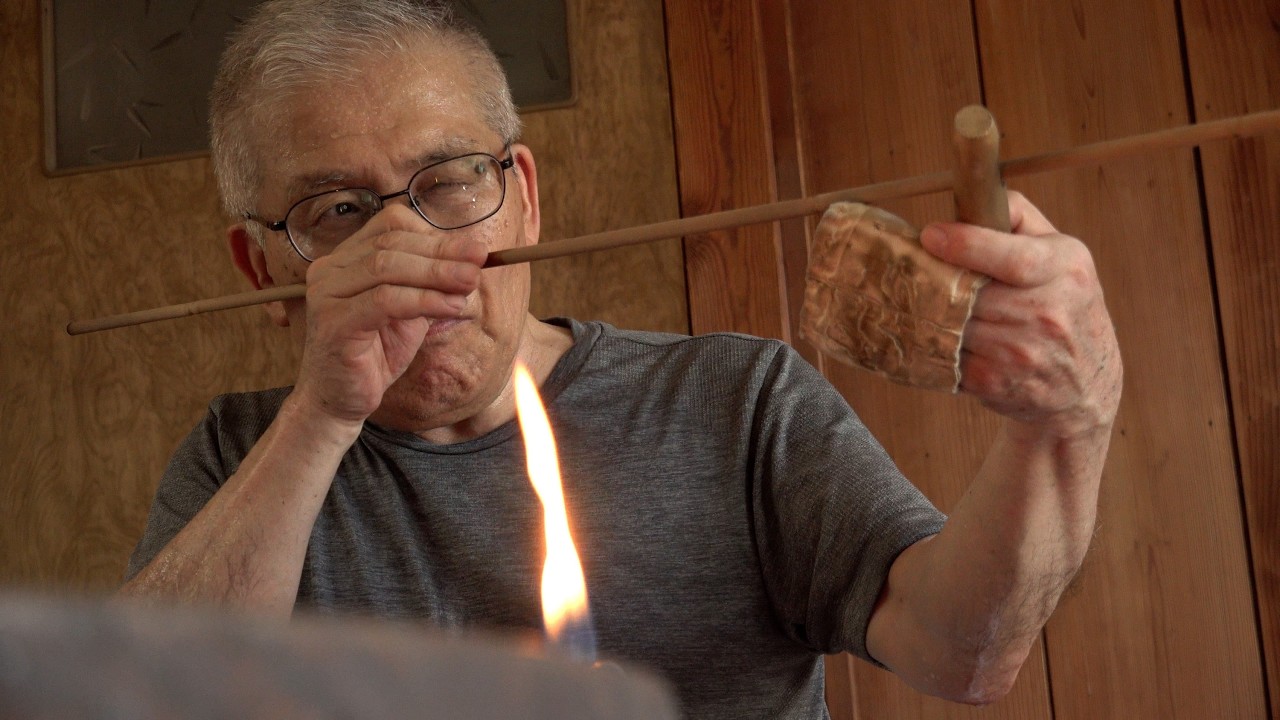
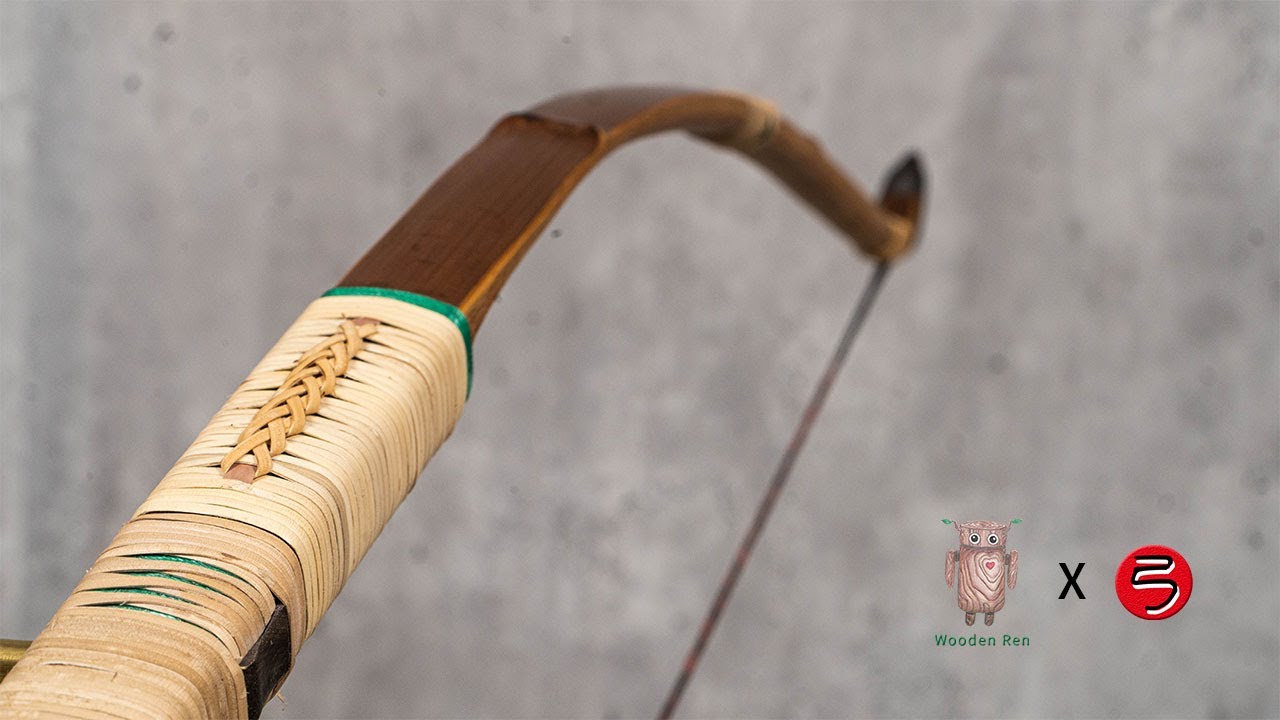
The Zhu Mu Gong Jian "Bamboo Bow and Arrow" manufacturing tradition comes from Pingnan county, Ningde prefecture, northern Fujian province.
Recently Pingnan bowyer Ye Yong has been recognized by Ningde prefecture as a bearer of important local intangible cultural heritage for his mastery of the traditional methods of bamboo bow and arrow production.
Bow making is claimed to have been practiced in Pingnan for many generations, however written records are lacking and the historicity of the bow making tradition is questionable.
However Pingnan was historically known for the production of bamboo arrows and older local fletchers were still operating into the early 2000's.
The methods shown here of making arrows are a well documented local tradition. It is only the bow production that is in question.
The Wubeizhi mentions He Zhu Gong "Laminated Bamboo Bows", saying they are resistant to the wet climate of southern China but relatively low in power and are only effective within about one hundred paces.
What connection, if any, the bows described in the Wubeizhi have to those now made in Pingnan is unknown.
But it does show that the construction and use of laminated bamboo bows was associated with wet regions of southern China during the Ming dynasty.
The temple visited at the beginning is the Che Shan Gong Dian "Cart Mountain Lord's Palace" in Pingnan's Shuangxi North Village.
Che Shan Gong is known as the god of hunting in northern Fujian.
There is quite a bit of uncertainty regarding the origin of the tradition.
Some people even regard it to be it's own school of folk Daoism which is connected to and a complimentary opposite of Lu Shan Daoism.
At any rate the worship of Che Shan gods is found across Ningde as well as parts of Nanping and neighboring areas.
Various other local gods are sometimes worshiped as the Che Shan lord in different shrines.
The most widespread tradition (and the one told in the temple in the video) is of Chen Liugong (Chen family 6th lord).
Chen Wensong commonly called "Chen Liugong" along with his younger brothers Chen Wenbin "Chen Qigong" and Chen Wenchang "Chen Bagong" (Chen family 7th and 8th lords respectively) were all government officials during the Han dynasty.
Because of their honesty, wisdom, and martial skills the three brothers became widely acclaimed as upstanding officials
When the usurper Wang Mang came to power they were forced to flee their native home in Henan province on foot carrying their aged mother on their backs to their place of exile on a mountain near White Crane Village outside the southern pass leading to Jianyang city in Nanping prefecture Fujian. There they built a small hut and worked the rough mountain land as farmers in order to survive.
But one day while they were out working the fields an old tiger entered the hut and ate their mother.
They decided to kill the tiger to avenge their mother's spirit. So they tracked it across northern Fujian eating while walking and sleeping on the cold ground while tired.
Eventually they caught up with the tiger on Malan mountain in Minhou county in Fuzhou prefecture.
There Chen Liugong fought a long fierce battle against the tiger. He eventually succeeded in killing the tiger but died shortly after from his wounds.
In accordance with his last wishes the local people buried him on the spot where he killed the tiger. They piled rocks on top of his grave and built a platform. The local people later began leaving offerings on the spot eventually turning it into a temple.
The Jade emperor being moved by Chen's devotion and the prayers of the local people appointed him as the god of hunting.
Later after his brothers died their spots of burial also became shrines.
Norther Fujian is a very remote place, hunting has long been important to the local people. Likewise tigers were a constant threat. The shockingly high numbers of tiger fatalities recorded in government records from the Ming through the Republican period in Fujian have prompted some naturalists to speculate that the subspecies of South China Tigers located in Fujian may for some reason have been more prone to eating humans than other tiger species. Although others speculate it may have been the result of the particularly high density of the tiger population or other factors.
As a result of these conditions the worship of Che Shan Gong spread across northern Fujian. As mentioned in some temples other local figures are considered to be Che Shan Gong, in some cases Che Shan is spoken of as if it may have just been considered a category of local gods. However all of these figures have myths which involve hunting dangerous animals (tigers and or wild boars), bows, guns, violent deaths or some combination of the above.
Che Shan Gong is prayed to before the hunt and asked to protect the hunters and bless and protect their weapons.
Che Shan Gong is also associated with martial skills and is often referred to as "Shifu" by local people in Ningde.

Доступные форматы для скачивания:
Скачать видео mp4
-
Информация по загрузке: