Bundesliga's 50+1 Rule (Brilliant, or Flawed?) | German Football
Автор: Football Drawn
Загружено: 2021-05-10
Просмотров: 2044
What is the 50+1 rule, and how does it work?
Anytime I think about the German football, the first thing that comes to my mind is the Dortmund Yellow wall of fans, the Dortmund-Schalke rivalry, and the passion of the Union Berlin fans.
It’s always the fan-centric nature of German football that comes to mind...and frankly, the 50+1 rule plays a massive role in it.
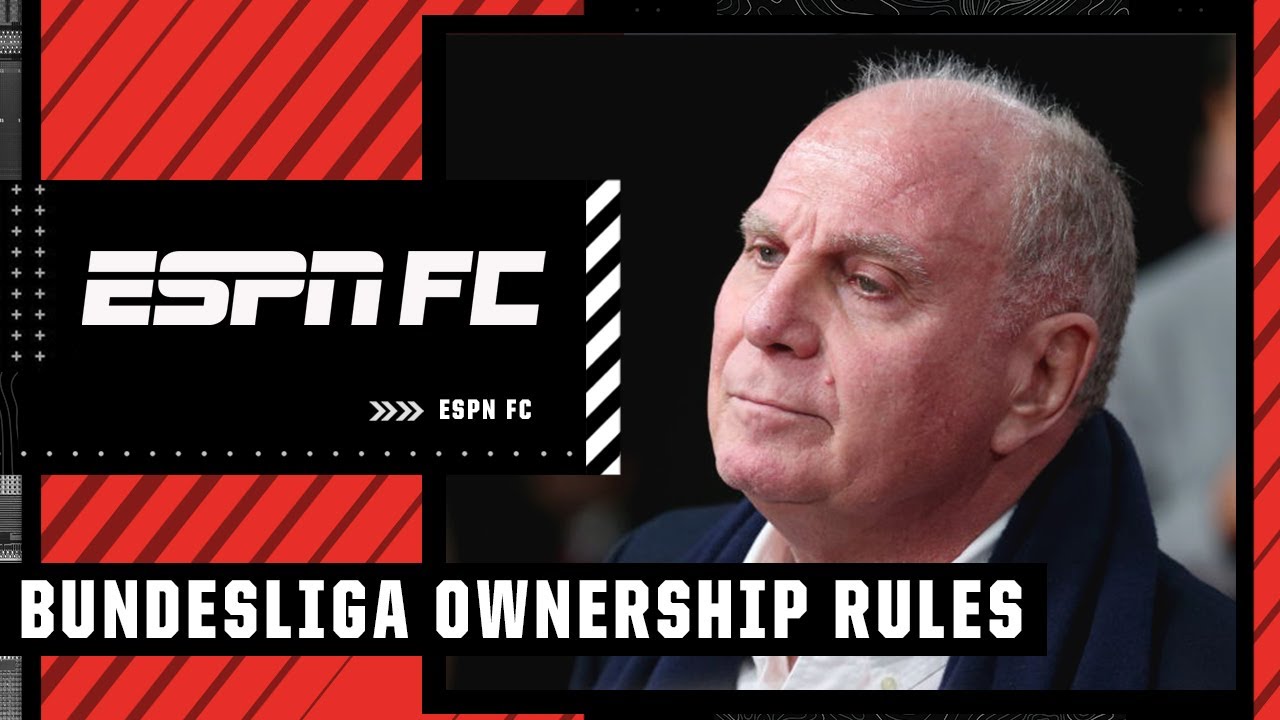
So, Let’s start with the basics: The 50+1 rule says that club members must own at least 50% of the club shares, plus 1 share, hence, the name 50+1, and these club members enjoy 51% voting majority when it comes to decisions.
The investing partners can make suggestions, but unless the fans get behind those decisions, nothing can happen. An example of this is how more than hundred and fifty thousand club members of Borussia Dortmund can veto anything, from ticket prices, all the way to changes to the club’s logo.
So, yeah...You can see how the 50+1 rule is the reason behind the low ticket prices, full stadiums, and the traditions of clubs being respected by those at the top.
The model is there to prevent reckless owners to treat the club as their personal toys.
That being said, the 50+1 rule isn’t all perfect. In fact, at times, the 50+1 model has been heavily criticized by some people.
One main reason is that it doesn’t encourage new investors to a German club, and recently, the German league has been soooo uncompetitive, to the point that at the time of writing, Bayern Munich is winning their billionth title in a row.
And as a result of this, Bundesliga really struggled to attract fans from overseas, because people don’t wanna watch a 1-horse race all the time.
Maybe I’m an exception, because as a fan of Italian football, I really appreciate the German league, but in the end, you have to ask yourself: Why would a billionaire invest in a German club, if they don’t even get to make decisions without fan’s approval?
Now, let’s flip the scenario: You’re the owner of a Premier League club, who has the power to do as you please with your own club.
You can demolish the stadium, change the club name, and even appoint yourself as the manager.
I’m not saying that’s a good thing, but ask investors which scenario they’ll choose?
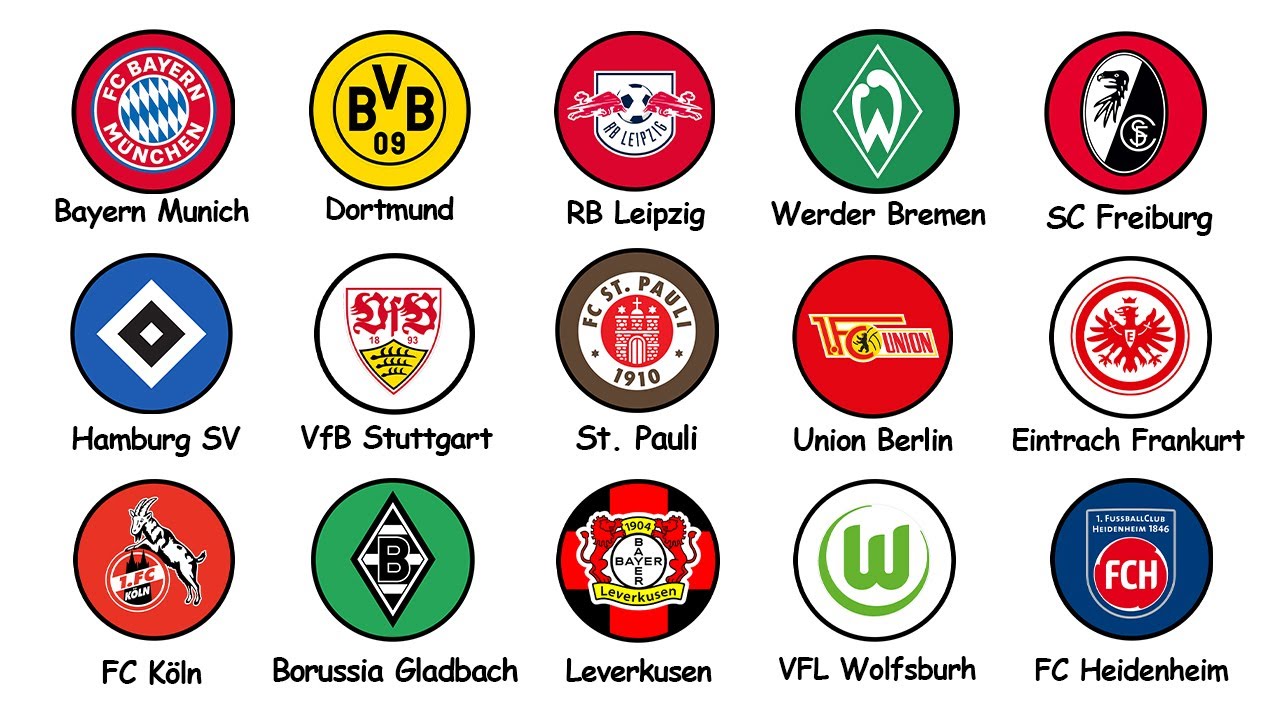
That being said, there have been German clubs that have been exception to the rule: Bayer Leverkusen and Wolfsburg are two special cases in the Bundesliga, based on the rule that investors who have had an interest in a club for more than 20 years can apply for an exception from the 50+1 rule.
Leverkusen was founded in 1904 by employees of German pharmaceutical company Bayer, while Wolfsburg was founded in 1945 by the employees of Volkswagen.
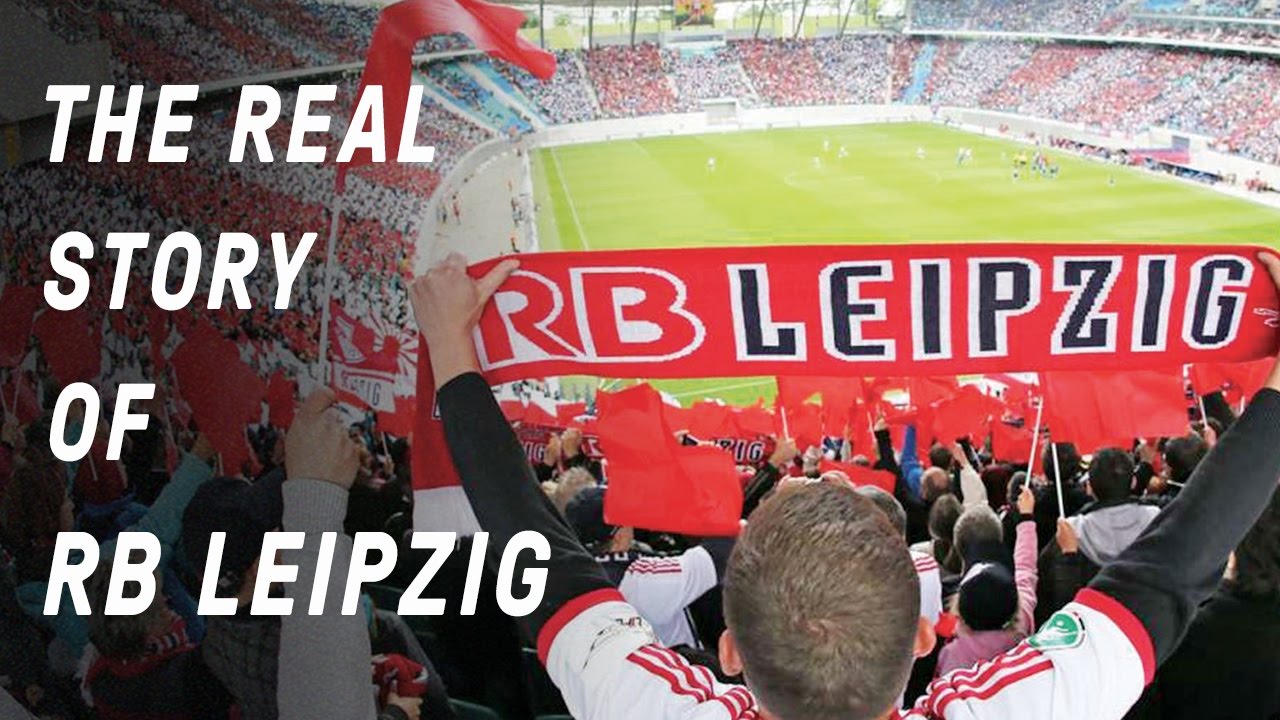
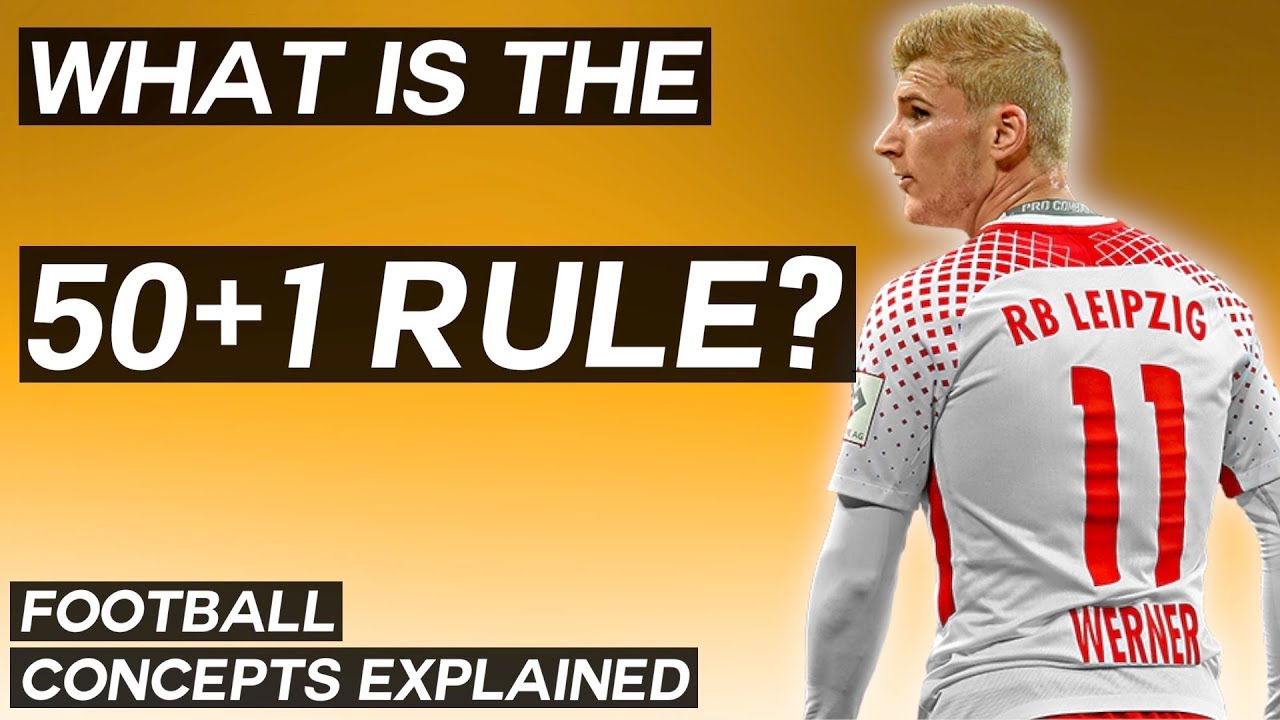
Now, lets take a look at RB Leipzig, where things get a LITTLE suspicious. Before RB Leipzig was purchased by a little-known energy drink company called Red Bull, the club was known as Markranstadt.
They changed the name, the logo, the jersey, and gave them a ton of money to play with, to the point that they came from the 5th division, all the way up to 2nd place in Bundesliga, just behind Bayern Munich.
And this is my favorite part: Since they couldn’t name the club after their company, they just named it RasenBallsport Leipzig, which literally means Grass Ball Sport.
Obviously, this was chosen because it was abbreviated as RB Leipzig, and they found a loophole in the 50+1 rule.
Where Borussia Dortmund has over hundred and fifty thousand members...and Schalke has over hundred and forty thousand,
RB Leipzig had a grand total of 17 members, and they all worked for the Red Bull Company.
So, why are they hated by the other Bundesliga fans?
Well...that’s because everything they’ve done completely goes against what the 50+1 model was intended for.
In March 2018, Clubs from Bundesliga 1st and 2nd division voted on whether they should keep the 50+1 rule, and majority were in favor of keeping it.
So, what do you think about the 50+1 model?
On one hand, the fans are treated as part of the club family, rather than just a paying commercial customer. On the other hand though, it really discourages foreign investing at a club.
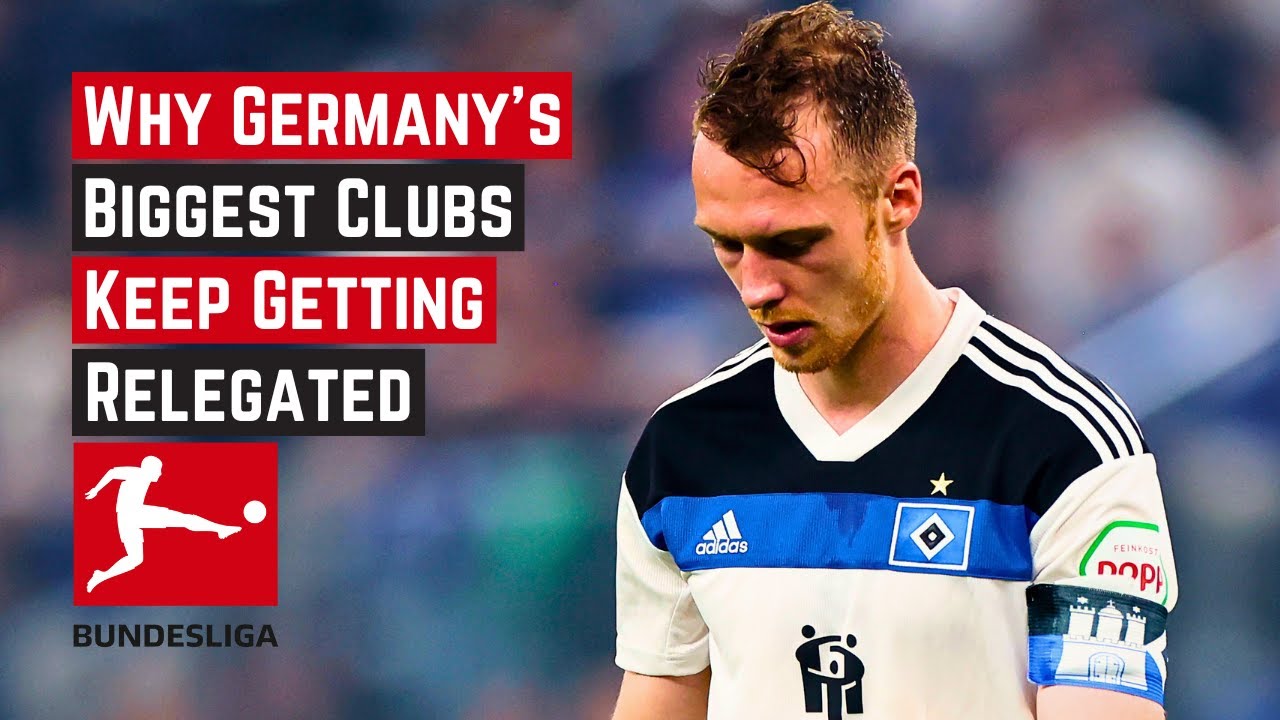
As I’m writing the script for this video, Schalke is at the bottom of the Bundesliga, and is massively drowning in financial debt. We’re talking about one of Germany’s top supported clubs.
While other clubs have to sell their star players to bigger clubs to balance their finances.
If you like videos about football facts shown with sketches, check out the rest of the channel as well.

Доступные форматы для скачивания:
Скачать видео mp4
-
Информация по загрузке: