How to Grow Giant Clams
Автор: GeraldHeslinga
Загружено: 2010-07-30
Просмотров: 37350
Our beautiful new 222-page ebook, SAVING GIANTS: Cultivation and Conservation of Tridacnid Clams (by Gerald Heslinga, 2013) is now available for download http://store.blurb.com/ebooks/374835-... [or go to blurb.com and search for SAVING GIANTS]
References:
https://docs.google.com/document/d/1n...
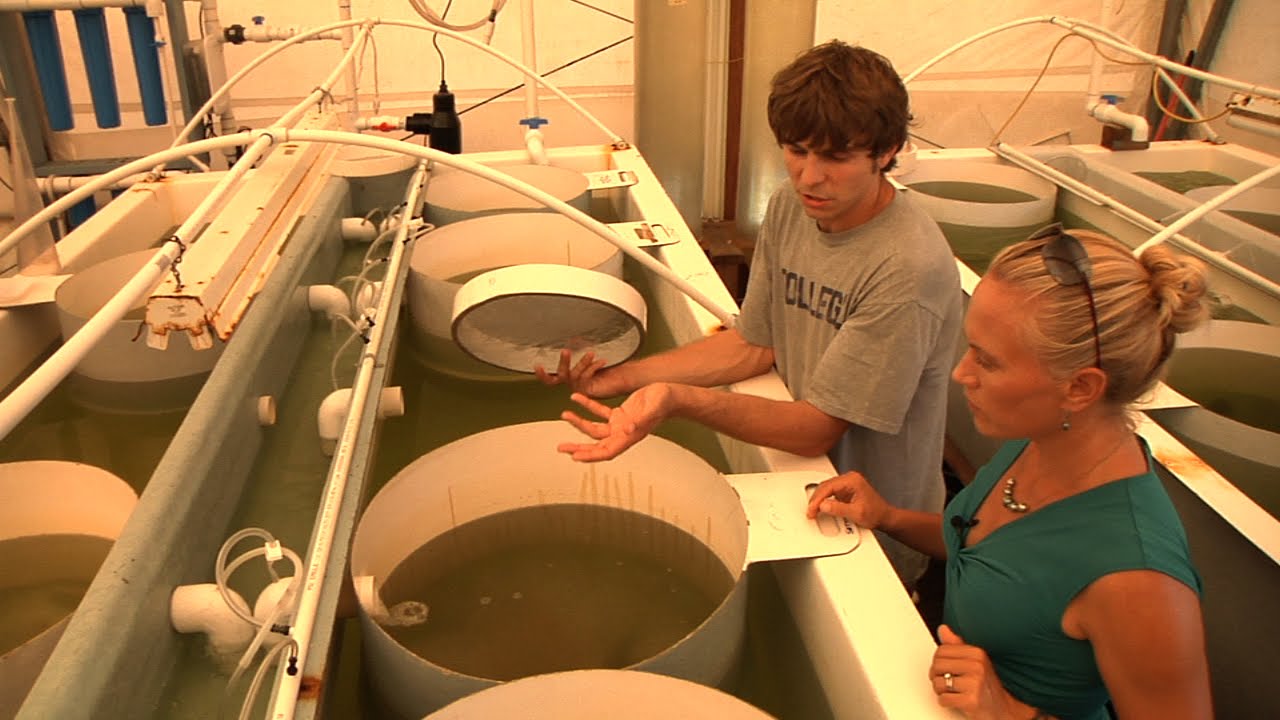
Palau's MMDC (Micronesian Mariculture Demonstration Center), founded in the late 1960's by James McVey of NOAA, hold's the distinction of being the world's first successful giant clam hatchery and ocean farm. Masashi Yamaguchi and Steve Jameson achieved successful laboratory-scale spawning and larval culture with several tridacnid clam species in Palau and Guam in the early 1970's. This work was continued in the mid- to-late 1970's by Hamner, Beckvar, Heslinga and Braley with further larval culture and production of small numbers of juvenile clams. In the early 1980's true mass production of tens of thousands of juvenile clams, along with development of land-based and ocean-based nursery technologies, was achieved at the MMDC by Heslinga, Perron, Orak, Watson and Isamu. Their work continued through the mid-1990's with substantial assistance from Hanser, Fitt and Hastie. Milestones achieved included mass production of all seven species of Tridacnids found locally, the closure of the life cycle of Tridacna derasa in the Ocean Nursery (1984) and the closure of the life cycle of Hippopus hippopus entirely in land-based tanks in 1993.
Over two million seed clams and over 100 tons of cultured tridacnid clams were produced on site at MMDC by 1994. More than 100 individuals from Palau and the wider Pacific completed the MMDC Clam Hatchery Training Course, and hundreds of local and international shipments of clams were made for reef stocking, local clam gardens and the demonstration of seafood, aquarium and shellcraft markets. Research conducted at MMDC led to new understanding of the clam/algal symbiosis, the control of major ocean predators through better cage designs, the world's first captive breeding of algal-grazing Trochus snails for clam/snail co-culture, the use of antibiotics in giant clam larval culture and the use of inorganic nitrogen supplements (DIN) for growth enhancement in land-based culture tanks. These advances are in wide use throughout the tropical Pacific islands today (2010).
The first hatchery manual on Giant Clam Farming was written by the MMDC staff and published by the Pacific Fisheries Development Foundation (NMFS/NOAA) in 1990. The manual was bundled with this video and made available to all interested parties in the region.
By 1994 the MMDC Giant Clam Hatchery and Gift Shop had become Palau's top land-based tourist destination, hosting thousands of visitors annually. MMDC's production tank farm underwent a 10-fold expansion between 1987 and 1994, from six to 64 units with 5-10 ton seawater capacity.
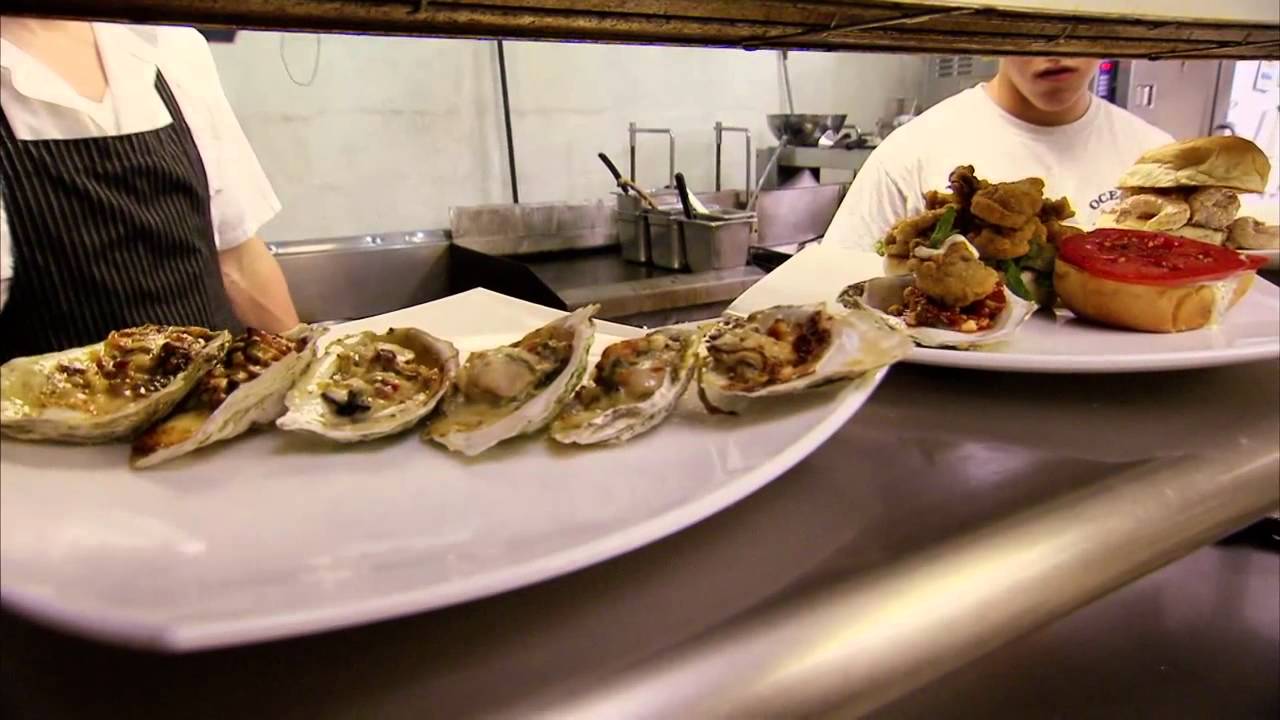
The MMDC's revenues from sales of cultured giant clam products (seed, meat and shells) from 1990 to 1994 totaled US$745,000. These sales were made to local restaurants, international seafood markets, tourists, other Pacific Island governments, and USA and European saltwater aquarium wholesalers. [This figure does not include foundation grants and contracts generated by the hatchery staff to fund a variety of research projects related to clams and clam mariculture.]
Selected References:
Beckvar, N. 1981. Cultivation, spawning and growth of the giant clams Tridacna gigas, T. derasa and T. squamosa in Palau, Caroline Islands. Aquaculture 24: 21-30.
Fitt, W. K., C. R. Fisher, and R. R. Trench. 1986. Contribution of the symbiotic dinoflagellate Symbiodinium microadriaticum to the nutrition, growth and survival of larval and juvenile tridacnid clams. Aquaculture 55: 5-22.
Fitt, W. K., G. A. Heslinga, and T. C. Watson. 1992. Use of antibiotics in the mariculture of giant clams (F. Tridacnidae). Aquaculture 104: 1-10.
Fitt, W. K., G. A. Heslinga, and T. C. Watson. 1993. Utilization of dissolved inorganic nutrients in growth and mariculture of the tridacnid clam Tridacna derasa. Aquaculture 109: 27-38.
Hastie, L. C., T. C. Watson, T. Isamu and G. A. Heslinga. 1992. Effect of nutrient enrichment on Tridacna derasa seed: dissolved inorganic nitrogen increases growth rate. Aquaculture 106: 41-49.
Heslinga, G. A. 1989. Biology and culture of the giant clam. In: Manzi, J. and M. Castagna (eds.), Clam Mariculture in North America. Elsevier, Amsterdam, 461 p.
Heslinga, G. A. and W. K. Fitt. 1987. The domestication of reef-dwelling clams, BioScience 37: 332-339.
Heslinga, G. A., Perron, F. E. and Orak, O. 1984. Mass culture of giant clams (f. Tridacnidae) in Palau. Aquaculture 39: 197-215.
Heslinga, G. A., Watson, T. C. and T. Isamu. 1990. Giant Clam Farming. Pacific Fisheries Development Foundation (NMFS/NOAA). 179 p..

Доступные форматы для скачивания:
Скачать видео mp4
-
Информация по загрузке: