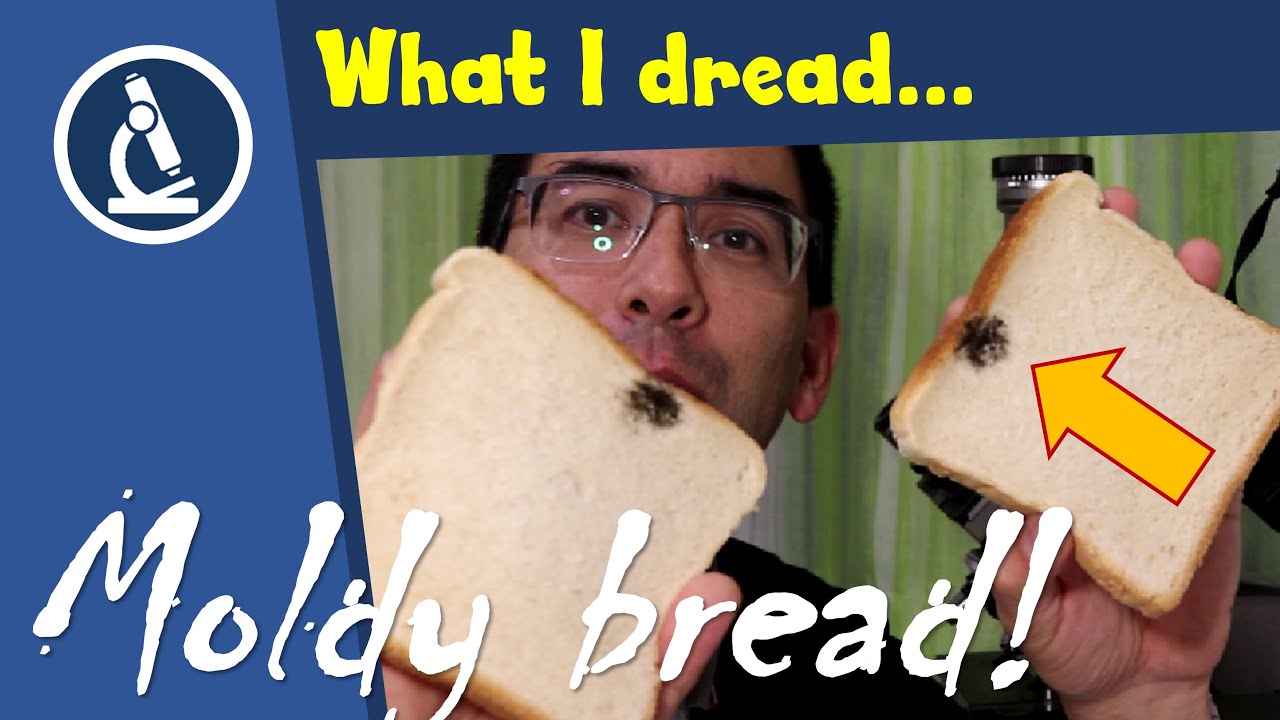
Facts and images of toxic household mold under a microscope
Автор: KOI
Загружено: 2019-07-17
Просмотров: 5210
A closer look at dangerous, strange, and beautiful mold inhabiting buildings.
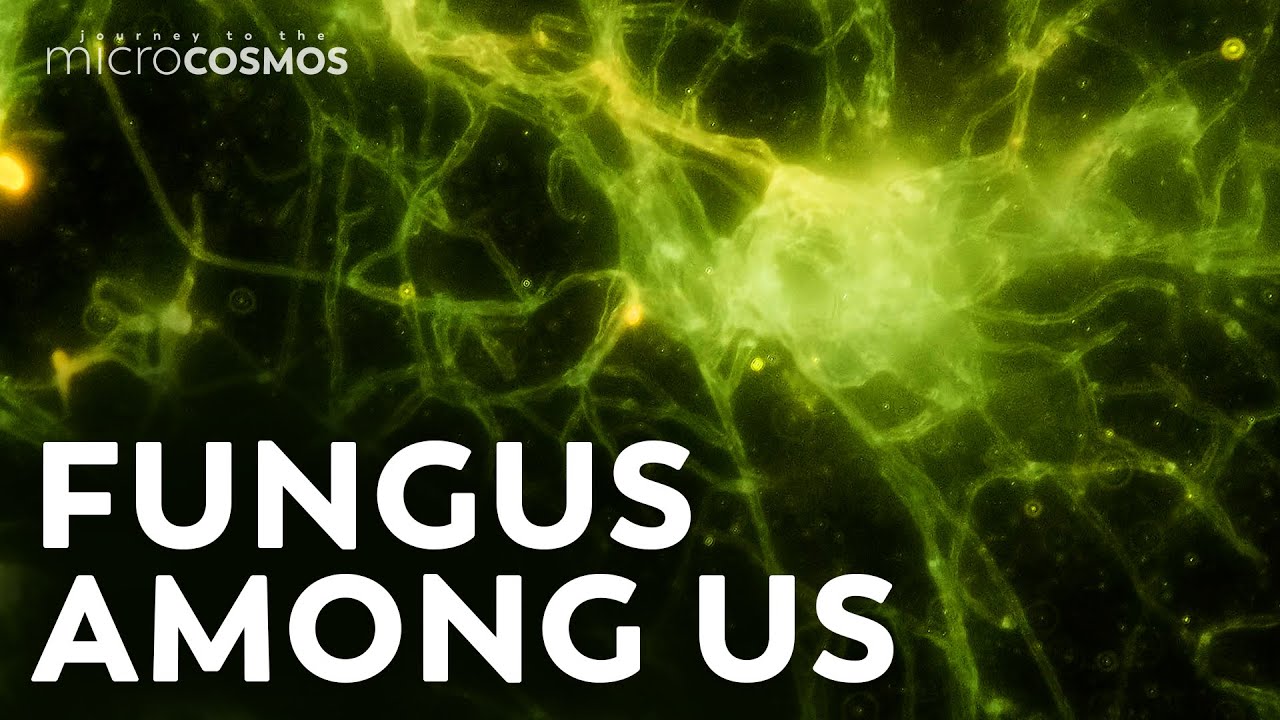
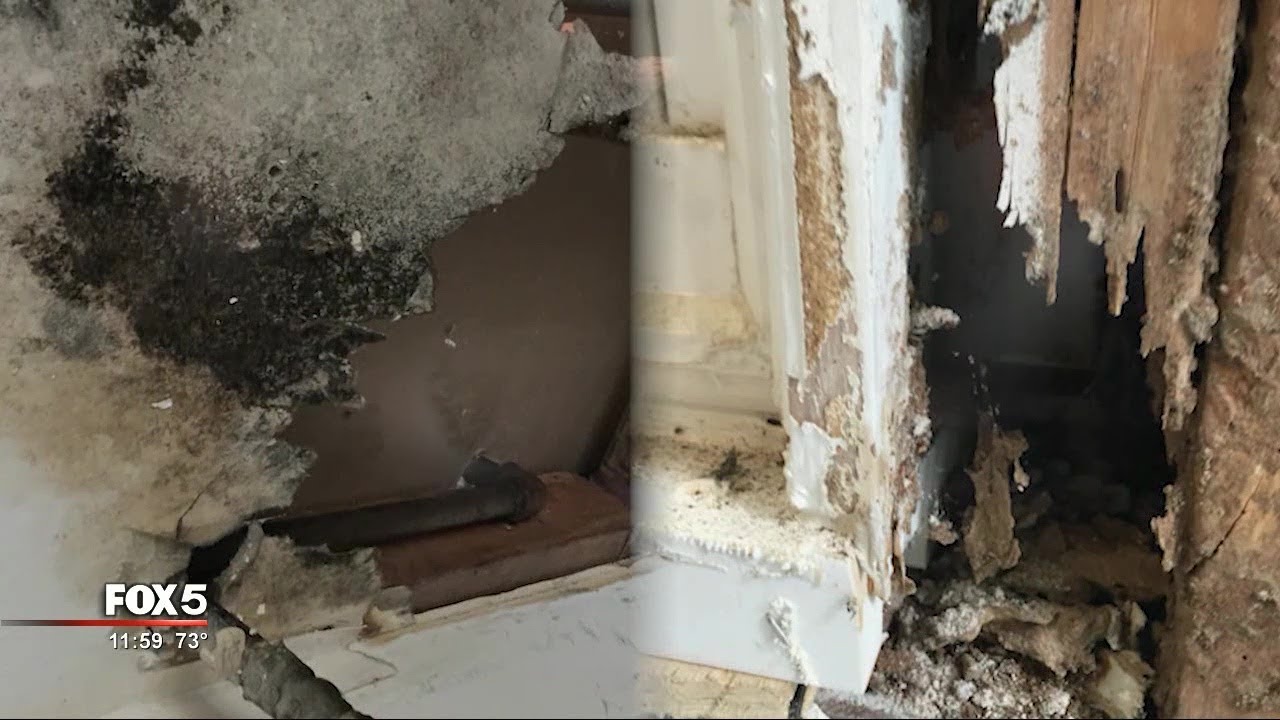
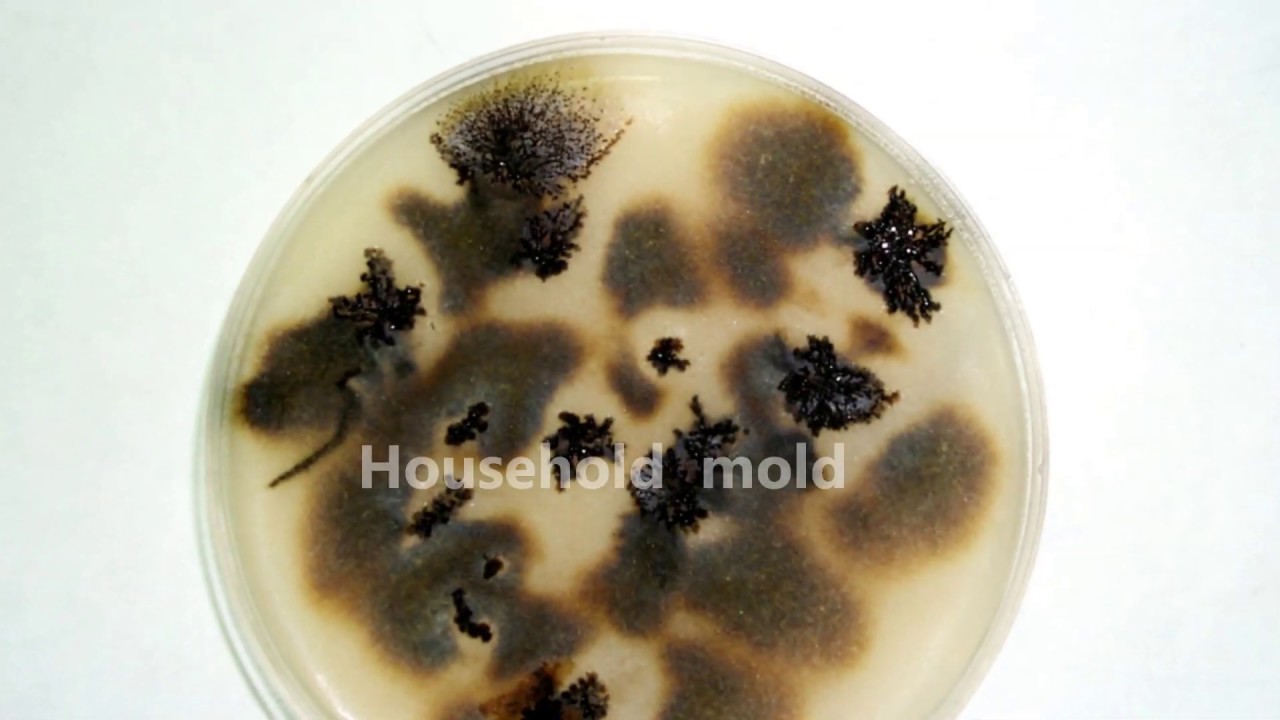
In this video, we will show you microscopic images of fungi from samples collected in residential places in order to introduce you to organisms, with which people often share their homes. We will also demonstrate how samples can be prepared and investigated to identify the species and find out if they include especially dangerous toxic fungi. The goal of this video is not just to warn you about “that nasty mold” but also reveal a variety and often unexpected beauty of microscopic fungi. First thing you need to know is that there is no good mold in a house. Period. If it’s not plain toxic, it’s allergenic and will drain the immune system. Avoid moisture and leaks because this is how mold gets a hold of buildings. Fungi gorge mostly on plant material called cellulose, the main component of plant cell wall. And 40-50% of wood is cellulose.
The chemical called capsaicin that makes the peppers like chili “hot” were likely developed by plants not to deter animals from eating them but rather as ant-fungal agent against pathogenic fungi Fusarium. Scientific name for long filamentous branch of fungi is hypha. It performs multiple functions like absorbing nutrients from a substrate, which may include host cells. Most of the household mold species reproduce asexually forming specialized branches conidiophores that carry spores called conidia. Conidia are well-protected spores and those trapped in deep layers of ancient glaciers, as deep as 900 meters, were revitalized from ice core samples dating back 157 thousand years!
These include common species like Penicillium and Cladosporium
The life cycle of microscopic fungi is often obscure and poorly studied. Some fungi form special sacs instead of conidiophores and those fungi are called ascomycota from Greek word “ascus” meaning sac. Here are few examples - genus of Ascobolus, genus of Ascotricha, genus of Chaetomium, Neurospora, Podospora, Pyrenochaeta, Sordaria, Saccobolus.
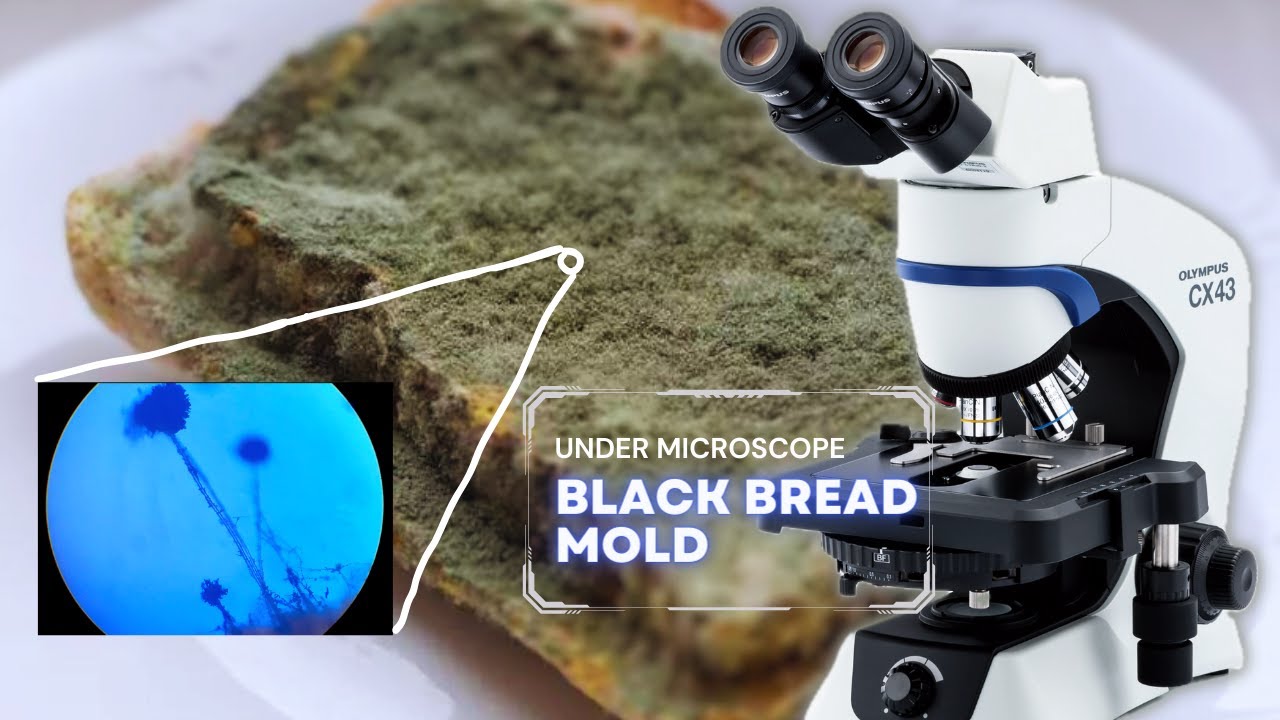
Aspergillus nidulans does develop sacs, while most of species of this infamous genus have conidiophores. Dangerous Black mold belongs to this genus as well. This is how it looks like under the microscope. These fungi produce potent mycotoxins and in rare cases black mold can cause lung decease aspergillosis. This very mold was found in pharaohs tombs but it more commonly infects plants like onions. As it is often a case, dangerous stuff can be useful and, according to Wikipedia, Aspergillus is cultured industrially to aid with production of citric acid, gluconic acid and fructose corn syrup as well as with clarification of cider and wine. Even in silver mining, black mold helps to extract silver via biosorbtion. Isn’t it amazing?
Another fungus with common name “black mold” is Stachybotrys.
To produce the images you see, the fungi were collected with technique known as “tape lift”, when the piece of transparent office tape is pressed into suspected surface and the parts of fungi like spores, conidia to be precise, and fragments of hypha stick to it. Then the sample has to be stained because most of the fungi are colorless. Special mixtures like lactophenol cotton blue are used and this not only gives the color to images but also helps to kill potentially dangerous organisms in the specimen. Stained sample is attached to the glass slide and examined under the microscope by trained and accredited experts. Even though the fungi on these images were identified by such an expert, the classification may change. So, feel free to leave a comment if you notice any discrepancies.
Now, to wrap it up. The presence of mold in the building is called “sick building syndrome”. If you feel unexplained head ache, problems with sleep, pain in muscle or joints, experience frequent infection, it would not be a bad idea to check whether it is caused by mold in your residence. The fungus Microsporum, for instance, is being blamed for hair loss. Any leaks? Treat them seriously and make sure to get rid of affected wall panels – mold can grow inside of them undetected for years.
Watch these video if you are concern about houshold mold
" • 7 Tips to Conquer Mold Toxicity "
Read the article about revival of fungi trapped in glacier ice:
https://www.ncbi.nlm.nih.gov/pmc/arti...
According to https://www.moldbacteria.com, Chaetomium may potentially cause nosocomial, skin and nail infections in humans and rarely cerebral and systemic infections in immunocompromised individuals. Can be call it brain-eating mold?
Доступные форматы для скачивания:
Скачать видео mp4
-
Информация по загрузке: