How To Collect Material For Bonsai: The Moss (Bryophyta)
Автор: Mediterranean Bonsai
Загружено: 2017-03-02
Просмотров: 109006
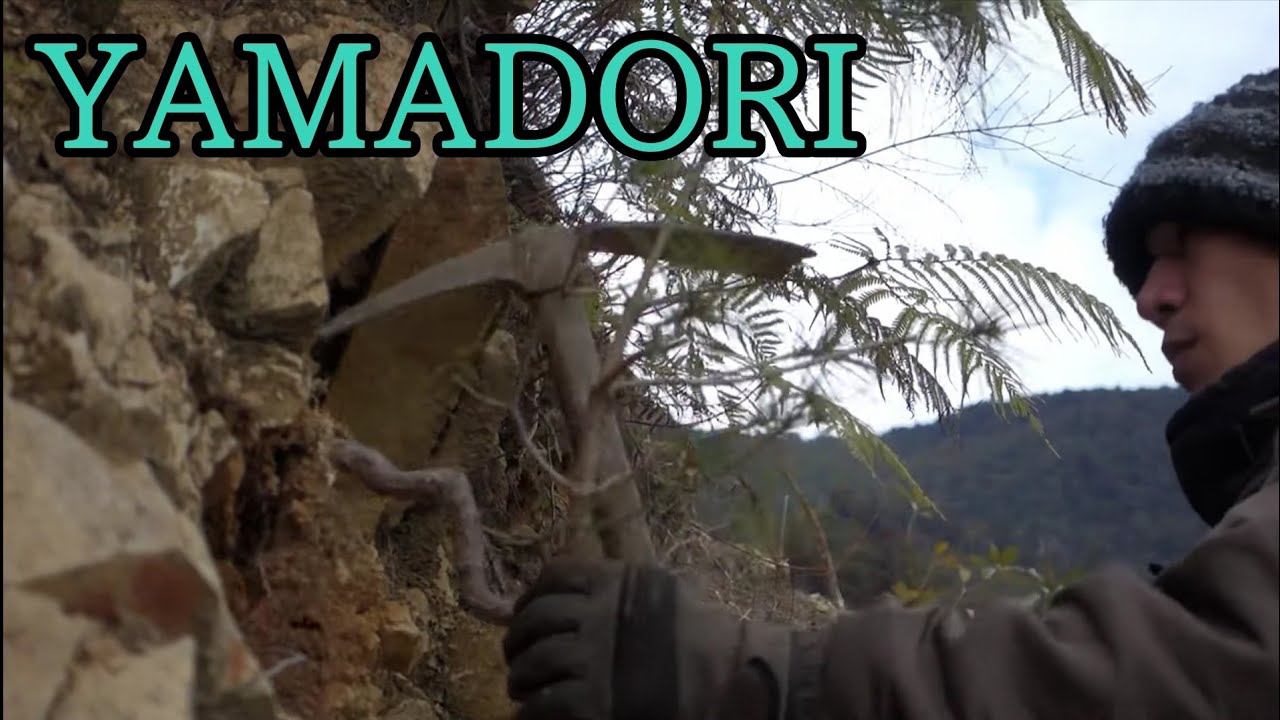
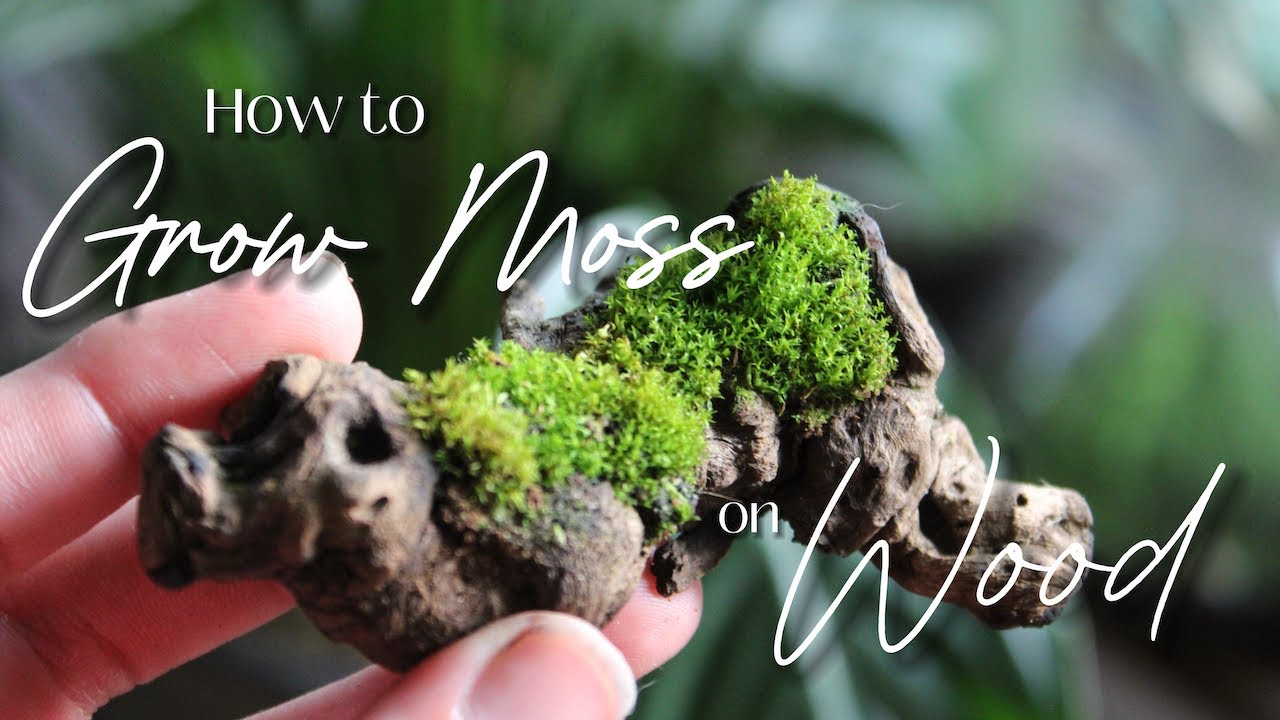
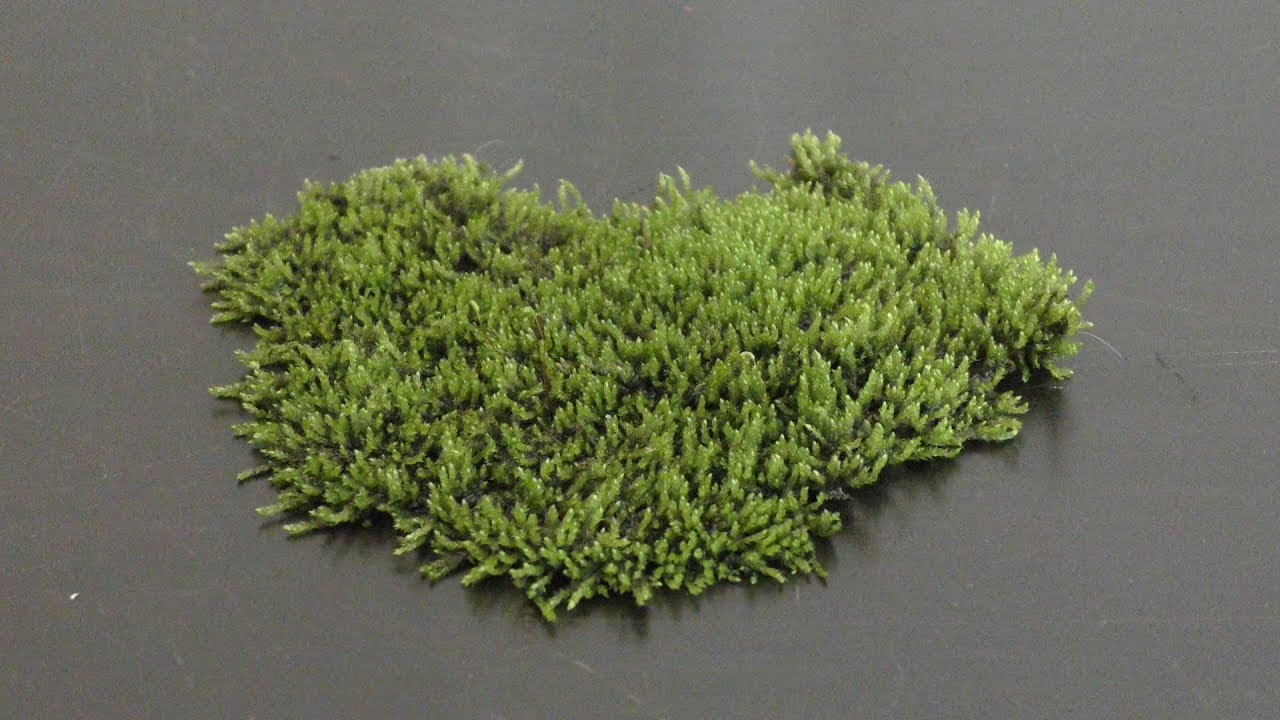
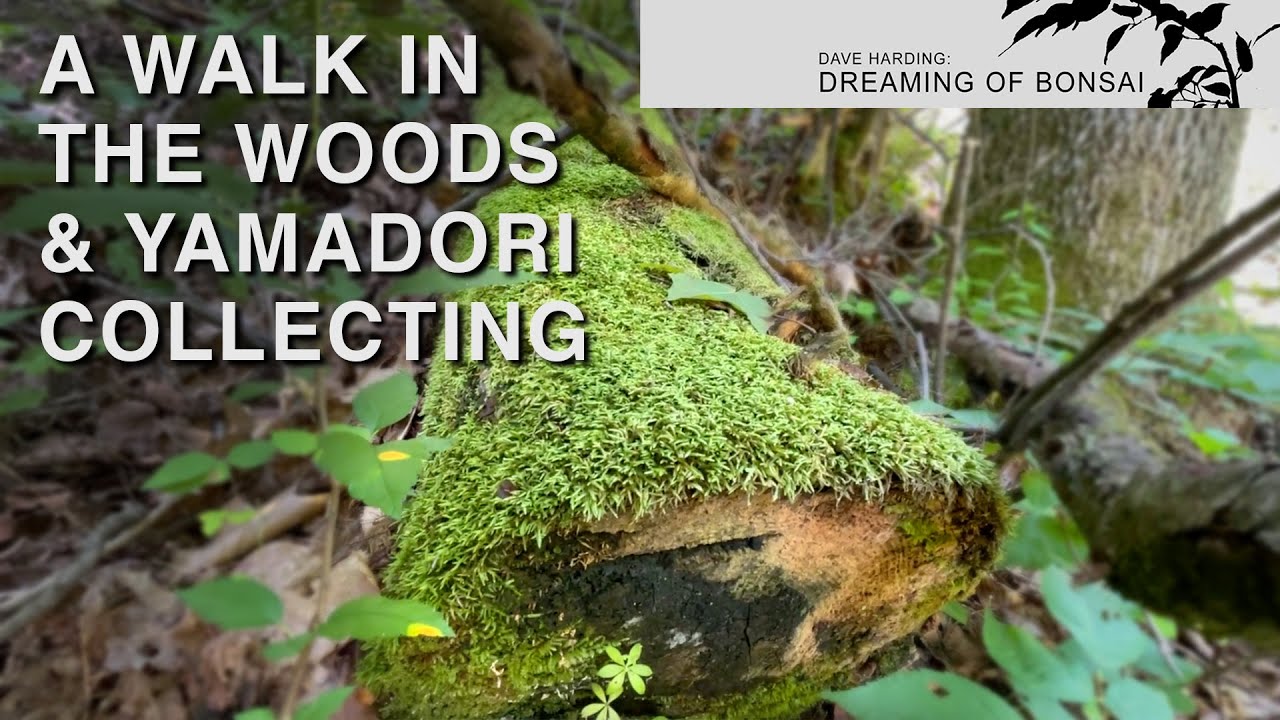
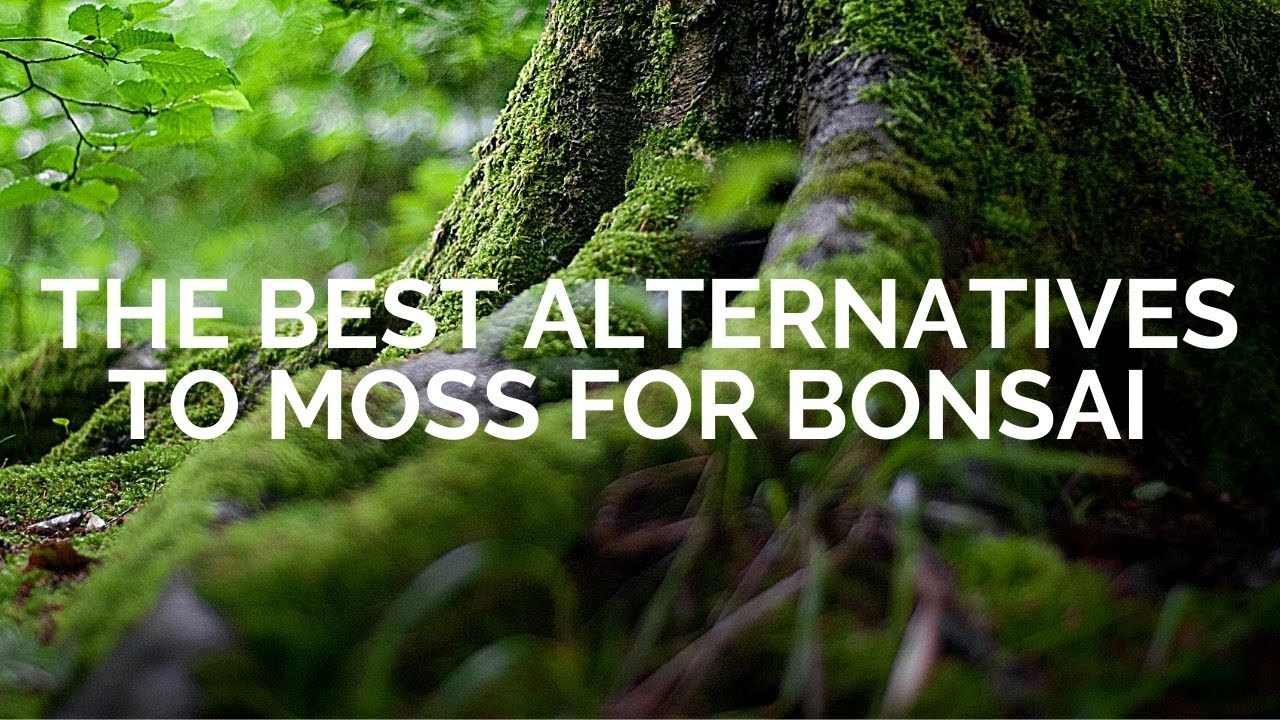
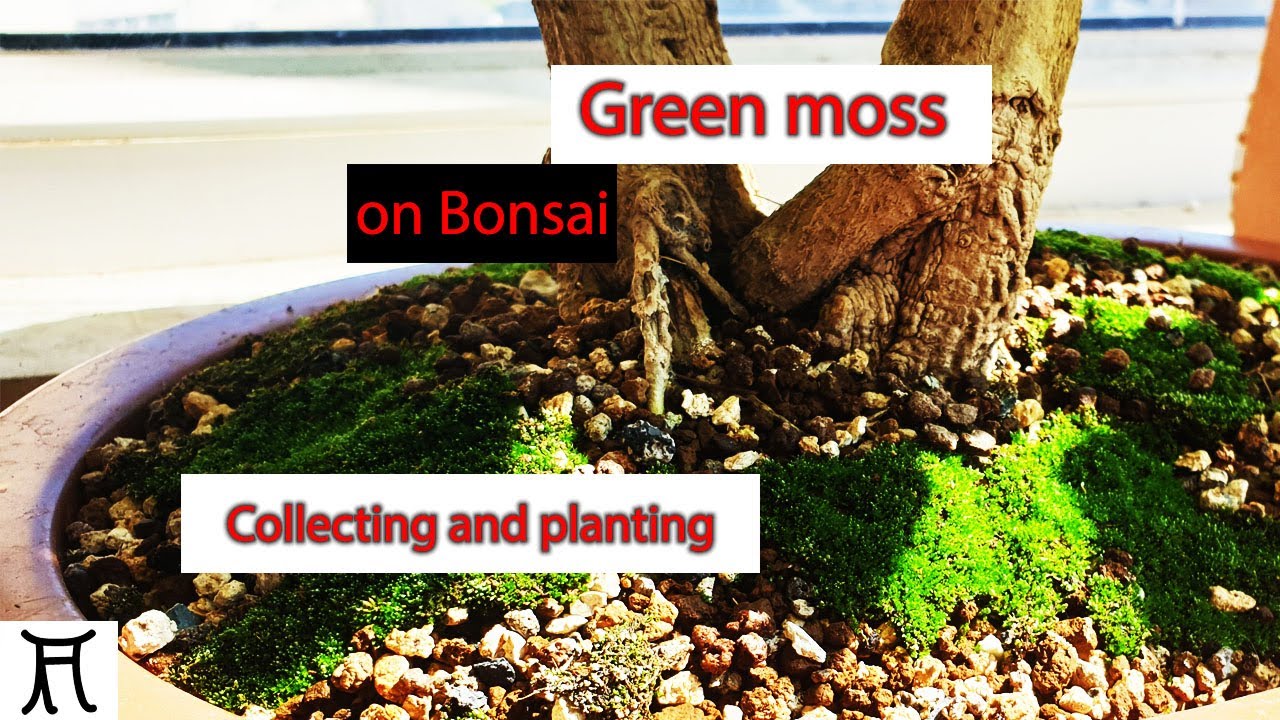
In episode 04 we are going in the mountain and we hunt, find & Collect moss (Bryophyta) to use it for bonsai!
Mosses are small flowerless plants that typically grow in dense green clumps or mats, often in damp or shady locations. The individual plants are usually composed of simple leaves that are generally only one cell thick, attached to a stem that may be branched or unbranched and has only a limited role in conducting water and nutrients. Although some species have conducting tissues, these are generally poorly developed and structurally different from similar tissue found in vascular plants. Mosses do not have seeds and after fertilisation develop sporophytes with unbranched stalks topped with single capsules containing spores. They are typically 0.2–10 cm (0.1–3.9 in) tall, though some species are much larger. Dawsonia, the tallest moss in the world, can grow to 50 cm (20 in) in height.
Since moss gametophytes are autotrophic they require enough sunlight to perform photosynthesis. Shade tolerance varies by species, just as it does with higher plants. In most areas, mosses grow chiefly in areas of dampness and shade, such as wooded areas and at the edges of streams; but they can grow anywhere in cool damp cloudy climates, and some species are adapted to sunny, seasonally dry areas like alpine rocks or stabilized sand dunes.
Choice of substrate varies by species as well. Moss species can be classed as growing on: rocks, exposed mineral soil, disturbed soils, acid soil, calcareous soil, cliff seeps and waterfall spray areas, streamsides, shaded humusy soil, downed logs, burnt stumps, tree trunk bases, upper tree trunks, and tree branches or in bogs. Moss species growing on or under trees are often specific about the species of trees they grow on, such as preferring conifers to broadleaf trees, oaks to alders, or vice versa. While mosses often grow on trees as epiphytes, they are never parasitic on the tree.
Mosses are also found in cracks between paving stones in damp city streets, and on roofs. Some species adapted to disturbed, sunny areas are well adapted to urban conditions and are commonly found in cities. Examples would be Rhytidiadelphus squarrosus, a garden weed in Vancouver and Seattle areas; Bryum argenteum, the cosmopolitan sidewalk moss, and Ceratodon purpureus, red roof moss, another cosmopolitan species. A few species are wholly aquatic, such as Fontinalis antipyretica, common water moss; and others such as Sphagnum inhabit bogs, marshes and very slow-moving waterways. Such aquatic or semi-aquatic mosses can greatly exceed the normal range of lengths seen in terrestrial mosses. Individual plants 20–30 cm (8–12 in) or more long are common in Sphagnum species for example.
Wherever they occur, mosses require liquid water for at least part of the year to complete fertilisation. Many mosses can survive desiccation, sometimes for months, returning to life within a few hours of rehydration.
It is generally believed that in northern latitudes, the north side of trees and rocks will generally have more luxuriant moss growth on average than other sides. This is assumed to be because the sun on the south side creates a dry environment. South of the equator the reverse would be true. However, naturalists feel that mosses grow on the damper side of trees and rocks. In some cases, such as sunny climates in temperate northern latitudes, this will be the shaded north side of the tree or rock. On steep slopes it may be the uphill side. For mosses that grow on tree branches, this is generally the upper side of the branch on horizontally growing sections or near the crotch. In cool damp cloudy climates, all sides of tree trunks and rocks may be equally damp enough for mosses. And different species of mosses have different moisture and sun requirements so will grow on different sections of the same tree or rock.
Camera: Samsung WB1100 F
SUPPORT MEDITERRANEAN BONSAI ON PATREON:
/ mediterraneanbonsai
FOLLOW US ON FACEBOOK: / mediterranean-bonsai-2191968524425062
Please Subscribe & Share To Support Our Channel !!!

Доступные форматы для скачивания:
Скачать видео mp4
-
Информация по загрузке: