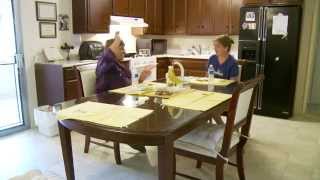
Renting to Tenants with Disabilities
Автор: Fast Eviction Service
Загружено: 2022-05-01
Просмотров: 982
Hi, welcome to another tips for landlords and property managers video sponsored by Fast Evict Law Group. On today’s episode, we’ll go over some tips to consider when renting to a tenant with a disability. Please remember the contents of this video shouldn’t be considered legal advice. Please contact our office to discuss your specific situation.
It’s important that landlords understand disabled renter’s rights so that they can avoid sticky situations. In many cases, landlords don’t know they are asking discriminatory questions. We’ll explain important rights landlords should consider.
Discriminatory Questions
A common mistake landlords make is assumptions and asking discriminatory questions. Landlords shouldn’t ask questions about the applicant or tenant’s disability when it comes to severity, medical records or their disability history.
All applicants and tenants should be treated the same. You shouldn’t “assume” that because an applicant is in a wheelchair, they can’t rent an apartment on the second floor.
Landlords should avoid asking questions about mental health issues as this may be used against the landlord if you reject an applicant. Instead, use their rental history or the ability to pay rent on time if you don’t plan on offering a lease to the applicant.
Reasonable Accommodation Requests
Tenants with disabilities have the right to ask their landlord for reasonable accommodations and the right to modify the rental.
All accommodations or modifications must meet the following:
Be reasonable.
Be approved by the landlord and required government agencies.
They shouldn’t permanently damage the property to keep it from being rentable in the future.
All modifications run at the tenant’s expense.
Landlords may ask the tenant to remove any modifications at the end of the lease.
An example of a reasonable request would be to allow the tenant to install a wheelchair stair lift. Another example would be to allow the tenant to have a handicap parking spot. Landlords must also remember that they have rights too and can refuse unreasonable requests.
Proof of a tenant’s disability may be requested by the landlord when there is no clear indication of a disability or a clear link between the disability and the modification requested by the tenant.
What is considered a disability?
The Fair Housing Act and the Fair Housing Amendments Act recognize both physical and mental disabilities that limit major life activities. These disabilities may include mobility, hearing and visual impairments, chronic alcoholism being treated through a recovery program, mental illness, HIV, AIDS and mental retardation. In California, disabilities also include multiple sclerosis, bipolar disorder, clinical depression, epilepsy and heart disease.
What has your experience been renting to disabled tenants? Let us know about it in the comments. Please like, share and subscribe if you have found this video useful. Thanks for watching, we’ll see you on the next one.

Доступные форматы для скачивания:
Скачать видео mp4
-
Информация по загрузке: