Asexual Reproduction in Bacteria
Автор: Advanced Botany
Загружено: 2023-10-26
Просмотров: 709
Asexual reproduction in Bacteria
Asexual reproduction: is a type of reproduction that does not involve the fusion of gametes or change in the number of chromosomes.
Binary fission
Budding
Sporulation
Sexual reproduction: is a type of reproduction that involves a complex life cycle in which a gamete with a single set of chromosomes combines with another gamete to produce a zygote that develops into an organism composed of cells with two sets of chromosomes.
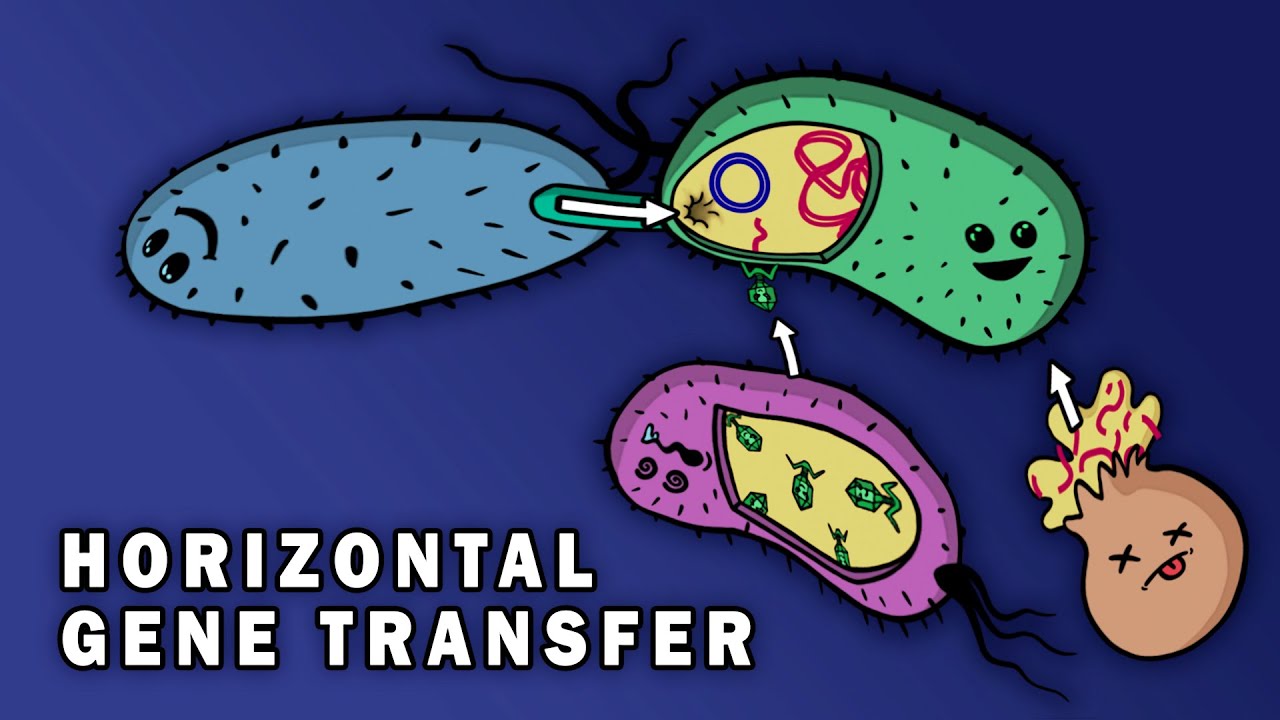
Transformation
Transduction
Conjugation
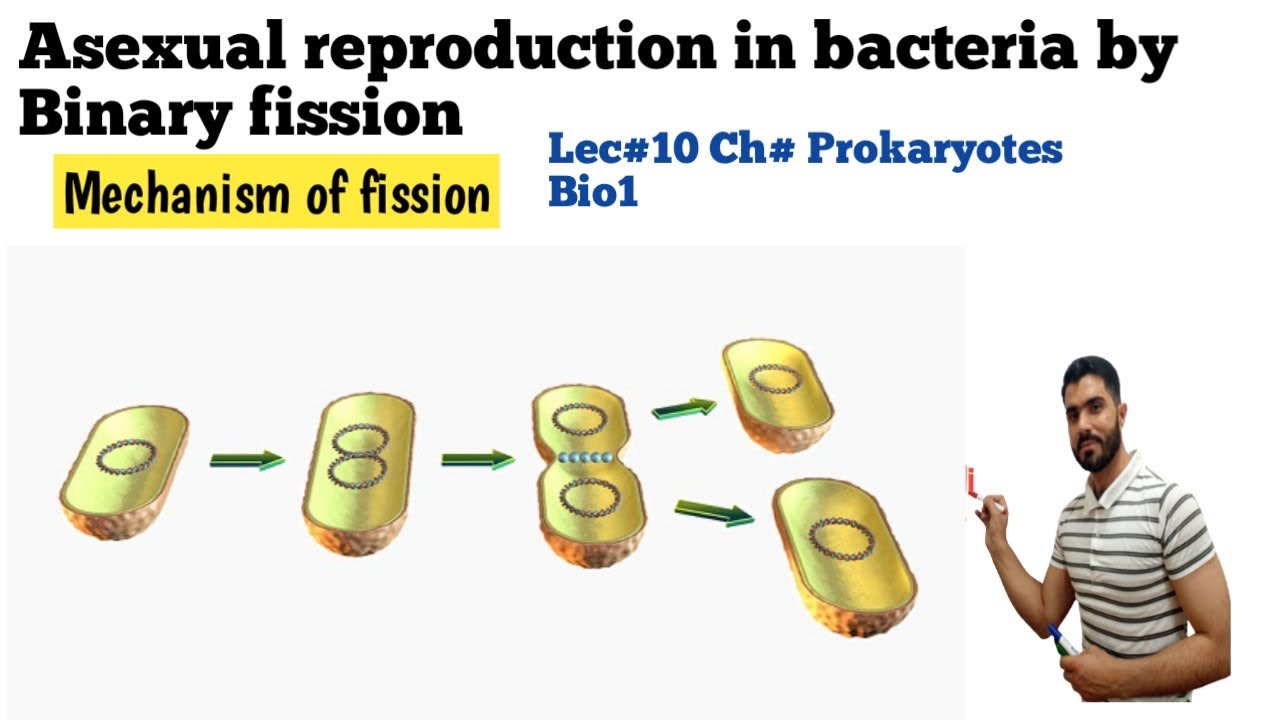
Binary Fission in Bacteria
It is the most common mode of asexual reproduction.
The cytoplasm and nucleoid of a bacterial cell divide equally into two, following replication of DNA.
The cell wall and cytoplasm split resulting in the formation of two daughter cells.
Under favourable conditions, a bacterial cell divides by fission once in every 20 minutes.
Step 1: Replication of DNA
Replication of deoxyribonucleic acid (DNA) marks the initiation of the binary fission process. The process of replicating nucleic acid begins from a replication origin. A replication bubble is formed, which separates the DNA strands. Each of the strands then serve as a template for synthesis of the complementary strand. Then, the DNA or genetic material is duplicated.
A replication bubble is an unwound and open region of DNA where DNA replication occurs. Bubbles are created when the enzyme helicase separates the two strands of DNA so that they can be replicated.
A plasmid is a small, circular, double-stranded DNA molecule that is distinct from a cell's chromosomal DNA. Plasmids naturally exist in bacterial cells. Plasmids provide bacteria with genetic advantages, such as antibiotic resistance. When a bacterium divides, the plasmid are also copied and each daughter cell receives a copy of each plasmid.
#bacteria #reproductioninbacteria #asexual_reproduction #binaryfission

Доступные форматы для скачивания:
Скачать видео mp4
-
Информация по загрузке: