Florence Price - Fantasy for Violin & Piano no.2 "I'm Working on my Building"
Автор: Nathan Carterette
Загружено: 2020-03-16
Просмотров: 3471
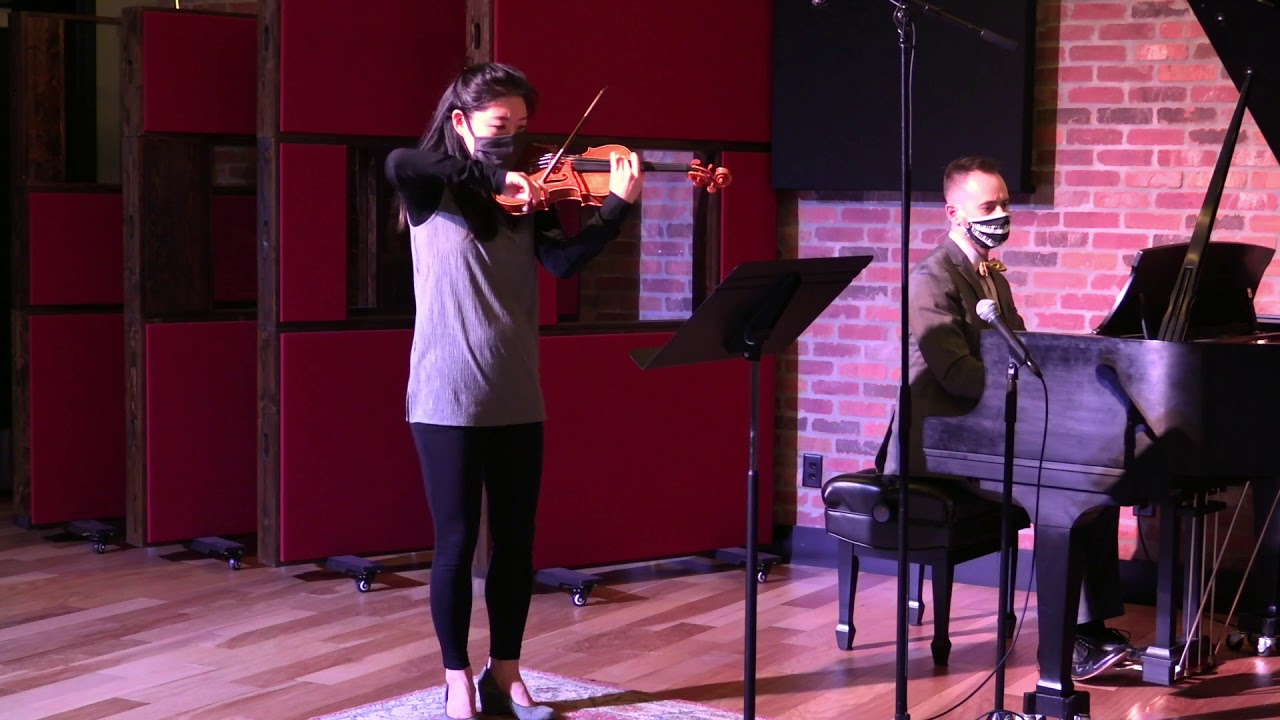
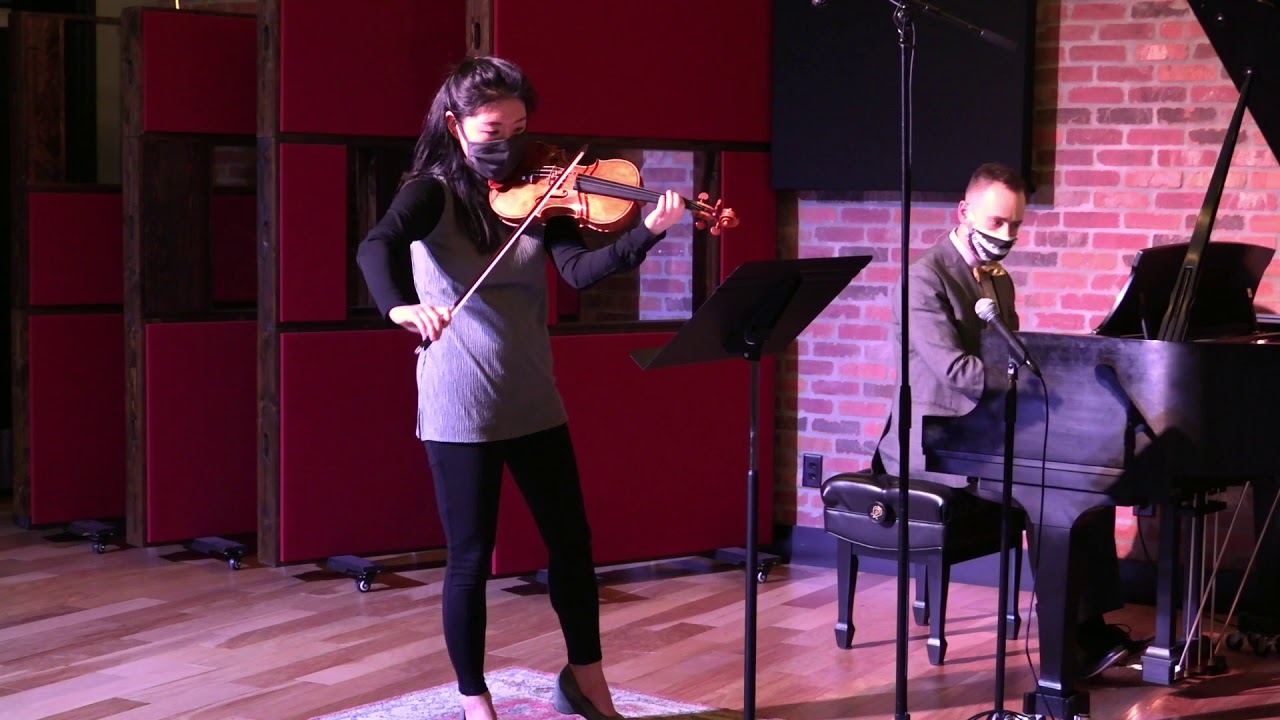
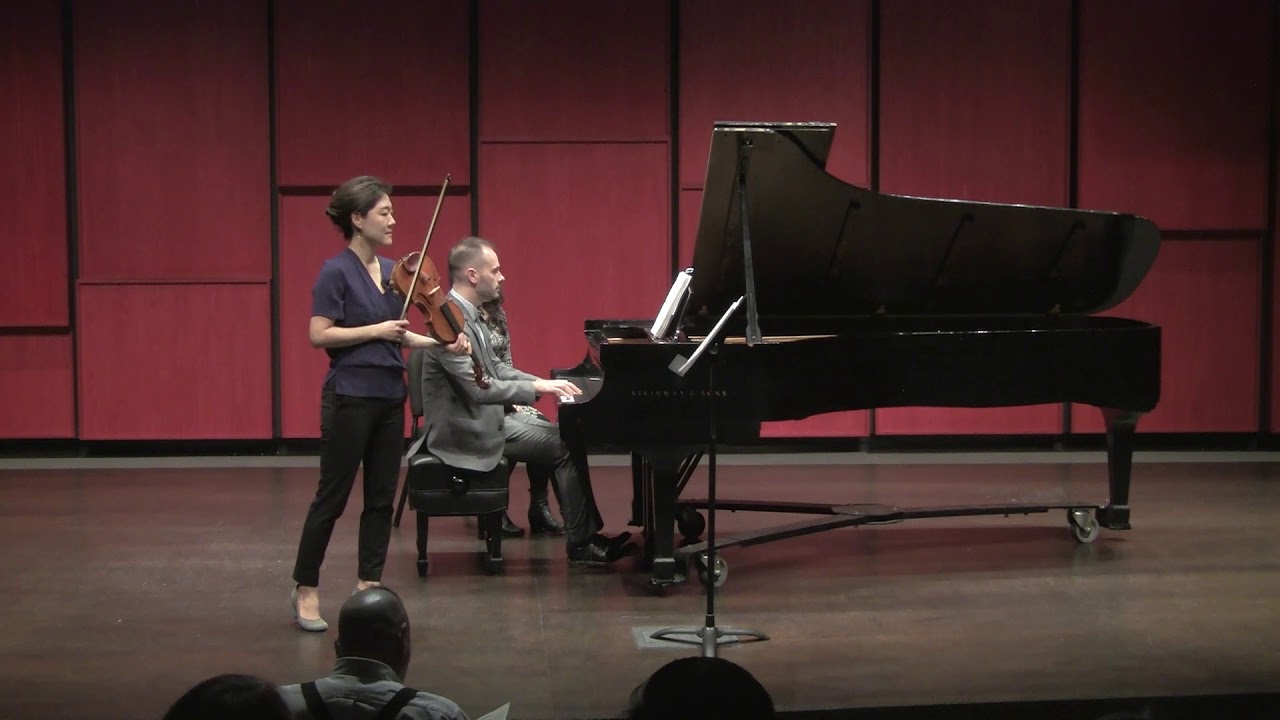
Er-Gene Kahng, violin; Nathan Carterette, piano
Recorded live in February 2019 on the Center for New Music series, Voxman Recital Hall at University of Iowa.
Program notes by John Michael Cooper:
Composed in March 1940, Price's F-sharp minor violin Fantasy postdates her G minor Fantasie by about seven years and represents an appreciably different stage in her professional life. While the earlier work is contemporaneous with many of the compositions that established Price's presence as a major figure in the landscape of U.S. music — works such as the First Symphony, the D minor Piano Concerto, the first Fantasie négre, and the Piano Sonata — by the time of the F-sharp minor Fantasy her presence on that stage and her leadership for African American and other musicians were well established.
Those changed professional circumstances likely account for the stylistic distance between the G minor and F-sharp minor Fantasies. Both exemplify Price's genius for integrating techniques and harmonic idioms of the European concert fantasy into the melodic styles and phraseology of African-American folksong and spiritual, and both feature a lengthy slow introduction, but beyond this the similarities are few.
The differences also extend to the two works' handling of their respective sources, for while the first Fantasy evoked the idioms of African American folksong and spiritual only in general terms, the second Fantasy's subtitle states that the work is "based on a folk melody," otherwise unidentified. The most likely candidate for the "folk melody" on which the work is based, however, is "Talk about a Child That Do Love Jesus" (or "Talkin' 'bout a Child That Do Love Jesus"), also known as "Here's One." As is typical of spirituals, folksongs, and vernacular repertoires, this tune exists in many different guises with lyrics that vary widely; we cannot know how Price knew it. It was also arranged by William Grant Still (1895-1978) and would be published by him in 1941, but the theme of Price's 1940 Fantasy bears stronger musical similarities to the arrangement published in 1927 by William Levi Dawson (1899-1990). The epithet stating that the second Fantasy is "based on a folk melody" is meant literally: the Fantasy paraphrases "Talk about a Child That Do Want Jesus" rather than quoting it literally. The tune as set by Dawson — and echoed by Price — celebrates the melodic beauty typical of the ancestral melodies of African American spirituals, and the text mirrors this deeply felt spirituality: "Talk about a child that do love Jesus, here's one; Talk about a child that's seekin' for a kingdom, here's one."
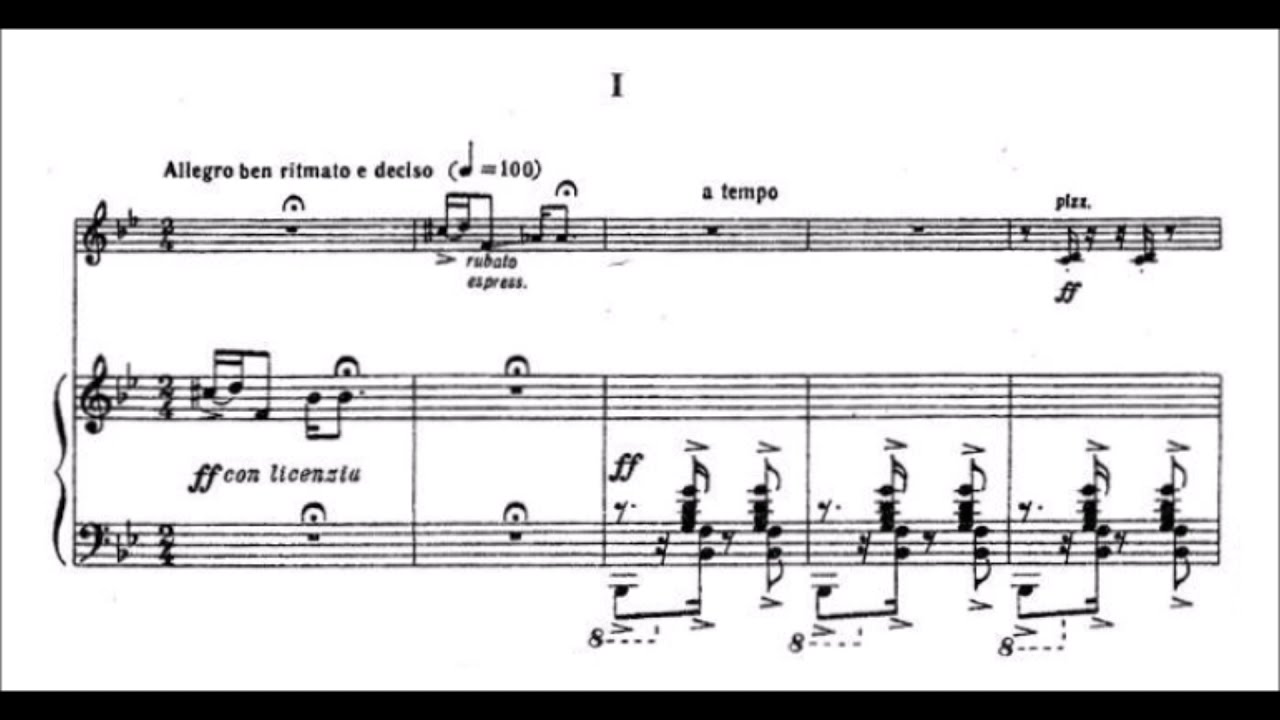
But if Dawson's "Talk about a Child That Do Love Jesus" was probably an inspiration for Price's second violin Fantasy, she goes far beyond her model. For example, Dawson's song sets the tone for the vocal line's spiritual intensity by means of a brief chromaticized descent spanning an octave in the right hand, and Price's Fantasy adopts a similar strategy in the Fantasy's introduction — but Price is in no hurry to get to the next section of the work. Instead, she amplifies the strategy. Her Fantasy's introduction spans sixteen bars and traces the chromaticized descent F-sharp – E-sharp – E – D-sharp – (C-sharp) – B – A – G-sharp – F-sharp – E in the right hand even as the last few notes of that descent begin an angular ascent back up to the upper dominant, C-sharp; additionally, the complex chromaticism and ambivalence of the thirds and sixths in Price's Fantasy suggest the influence of the blues. Not until mm. 10-12 does a foreshadowing of the motive that will become the third phrase of the tune on which the Fantasy is based occur. The first two phrases derived from the folk melody appear in the violin solo in mm. 17-32 but are interrupted in mm. 33-47, and the tune is completed in mm. 48-55. The central portion of the work is centered on D major (although that key is described and suggested more than it is actually stated, due to the richness of Price's rich harmonic language) and a return of the initial motive from the main theme in mm. 101-104 ultimately returns the piece to the tonic F-sharp minor. The closing is further derived from the main theme (mm. 105-110 are based on mm. 17-32, mm. 111-19 on mm. 48-55, and so on), but now the persistent fortissimo dynamic level and the unrelenting turbulence of the cascading doubled eighth notes in the violin line transform the gentle melancholy of the opening to an air of fiery urgency — a dramatic closing to a work fueled by the tension between vernacular and cultivated idioms.
— John Michael Cooper
Доступные форматы для скачивания:
Скачать видео mp4
-
Информация по загрузке: